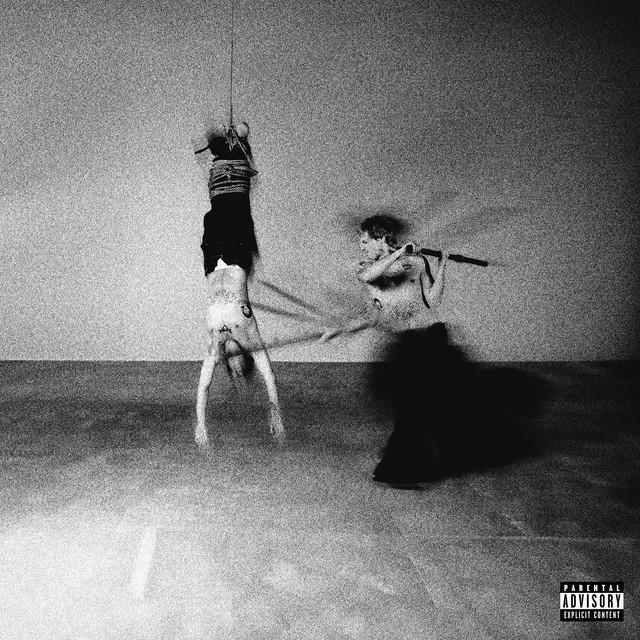
Why 'Buttare, buttare' Hits So Hard
The meaning of Buttare, buttare 18K, Latrelle comes into focus fast: this is a song about what people lose when life teaches them to discard feelings, trust, and even parts of themselves.
"Buttare, buttare" - 18K ft. Latrelle
(4997 got the key)
(d/rose)
Loading lyrics...
Unable to load lyrics
We're unable to display the lyrics at this time. Please try again later.
The lyrics move between pride, pain, love, and social criticism. They show a narrator who has made mistakes, thinks too much, and still tries to hold on to something human in a world that seems built to waste it.
A Hook About More Than Throwing Things Away
On the surface, the chorus centers on the verb “to throw away.” But the song is not really about objects. It is about emotional habits.
When the track repeats buttare, buttare
, it turns one word into a thesis. The narrator looks at the world and feels that people are taught to throw away empathy, patience, and real connection. That gives the hook its force: it sounds simple, but it carries a whole social critique.
Interpretation: the song suggests that emotional numbness is not just personal failure. It is learned behavior. The system rewards distance, hardness, and self-protection, so tenderness starts to look weak or disposable.
Family, Survival, and the Pain of Being Seen Late
One of the strongest parts of the song comes early, when the narrator talks about a brother sending another hit and responds with both pride and tears. That moment matters because it links success to memory.
They remember when nobody cared. Now people repost them instead of trying to “fix” them. In plain terms, the song contrasts neglect with sudden attention. That gives the fame-adjacent lines a wounded edge rather than a triumphant one.
The brother figure also grounds the song morally. Even in chaos, loyalty remains. A line about making sure the brother eats shows responsibility, not just ambition.
The Inner Fight: Shame, Anxiety, and Overthinking
Another key to the meaning of Buttare, buttare 18K, Latrelle is the song’s constant return to the mind. The narrator admits to bad choices, then swings between self-defense and self-judgment.
They say ho fatto cazzate
, meaning they have messed up, but the song does not stop there. It asks whether they are also being too harsh on themselves. That tension makes the writing feel honest.
The most striking image is the tattoo of a brain with a knife inside it. Even without taking it literally, the picture says a lot. Thought itself has become a wound.
That idea is reinforced by the repeated pensare, pensare
. The phrase captures obsessive thought loops: thinking so much that thinking stops helping. The narrator knows it “doesn’t help” and only makes them feel worse later.
Love in a Disposable World
The song also has a relationship at its center, but it does not frame romance as a cure-all. Instead, love becomes one more place where damage shows.
When the narrator says they never felt good at loving, the confession is small but revealing. They tried to stay with someone, yet the wider world kept pressing in. That matters because the song treats intimacy as fragile under social pressure.
There is also a sense of accidental harm. One person leaves marks on the other’s anxiety, even if not on purpose. The result is a relationship shaped by care, fear, distance, and misunderstanding all at once.
Interpretation: the love story may be less about one breakup than about how hard it is to stay open when survival has trained someone to shut down.
Street Empathy Versus Social Cruelty
A crucial line says the powerful want to see people discard the empathy the streets gave them. That flips a common stereotype.
Instead of treating the street as only brutal, the song presents it as a place that taught shared feeling. In contrast, the larger social order teaches replacement, disposal, and indifference.
That is why the hook lands so hard. It is not only “I am hurting.” It is also “they want us emptied out.” The personal and political meanings lock together.
How the Sound Supports the Message
Even from the lyrics alone, the song points to a moody rap/trap space: producer tags, clipped images, repeated words, and heavy emotional pivots. The repetition is doing musical work as well as lyrical work.
Short bursts like non puoi boicottare
and the recurring hook feel confrontational. Then the song sinks back into confession. That push-pull likely mirrors the emotional shape of the track: defiance on the surface, exhaustion underneath.
The wording also suggests a beat with room for pauses. Images like benches, dawn, smoke, and desert-mouth dryness feel cinematic. They create a cold, late-night atmosphere where the narrator sounds both exposed and guarded.
What the Best Reading Adds Up To
The best way to read the song is as a portrait of a person trying not to become emotionally disposable. They have trauma, ambition, guilt, loyalty, desire, and real tenderness, but they live in a culture that tells them to throw all of that away.
That is the real meaning of Buttare, buttare 18K, Latrelle: a warning that once people start treating empathy as waste, they also start losing themselves.
Final takeaway
What makes the song hit is its mix of raw confession and social insight. It hurts on an individual level, but it also argues that the hurt did not come from nowhere.
Disclaimer: This interpretation is based on the lyrics provided and common critical reading practices. Without a direct artist statement, some meanings remain open to debate.







