Why 'Aqualung' Still Feels Uncomfortable
The meaning of Aqualung Jethro Tull is not just about one shabby man on a bench. It is about the way people look at poverty, fear what they do not understand, and then struggle with their own guilt. Jethro Tull’s 1971 track, the title song from Aqualung, remains powerful because it refuses to make that reaction neat or flattering.
"Aqualung" - Jethro Tull
Eying little girls
With bad intent.
Loading lyrics...
Unable to load lyrics
We're unable to display the lyrics at this time. Please try again later.
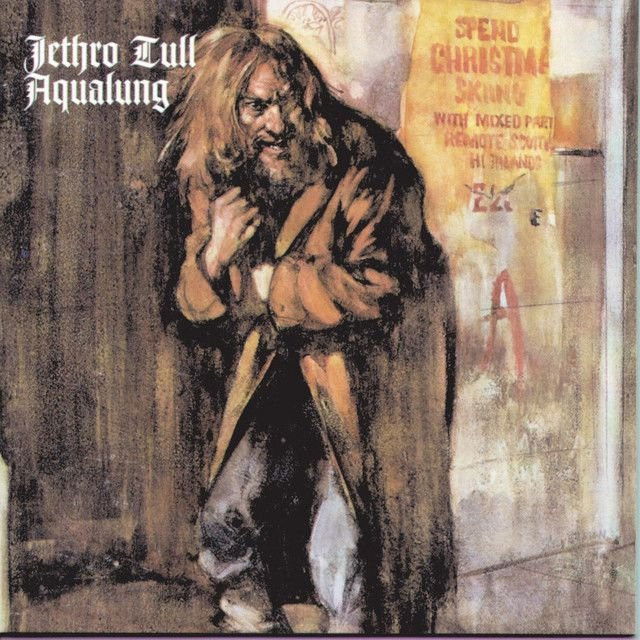
Written by Ian Anderson with lyrical contributions from Jennie Franks, the song was inspired by a photograph of a homeless man Franks had taken. Anderson later said he felt both guilt and fear around homeless people, and that conflict shaped the lyric’s point of view. That background is widely cited in coverage of the song’s creation and release in 1971.Artist interview
A Portrait Drawn in Uneasy Lines
At first, the song presents its figure through harsh details. The man is seen as dirty, suspicious, and socially threatening. Short phrases like bad intent
and shabby clothes
make the opening feel cold and judgmental.
That matters because the lyric does not begin with sympathy. It begins with how society often frames a homeless person: as a problem, a danger, or a stain on public space. The description feels almost cruel on purpose.
Interpretation: This opening is less a simple biography than a study of hostile perception. The song shows how quickly a stranger gets reduced to filth, rumor, and fear.

Watch the official Aqualung
music video
Where the Song Starts to Humanize Him
Then the track turns. The camera pulls back from disgust and begins to notice pain, age, and loneliness. The man becomes wandering lonely
, moving slowly through the cold, trying to survive the day.
This is one of the smartest things about the song. It does not erase the ugly first impression. Instead, it places that impression beside human vulnerability. By doing that, the song forces listeners to sit with their own mixed feelings.
There is also a class detail that sharpens the portrait. References to scavenging and seeking warmth suggest a life built around small acts of endurance, not freedom. Whatever romantic ideas people may project onto drifters, this character is not glamorous. He is worn down.
The Name "Aqualung" and What It Suggests
The nickname itself is strange, and that is part of its power. Anderson has explained that he imagined the man having breathing trouble, which helped inspire the name, borrowed from diving gear imagery.Songfacts
Late in the lyric, the breathing image becomes clearer through the phrase deep-sea diver sounds
. That gives the title a grim logic. “Aqualung” sounds almost comic at first, but it becomes tragic once listeners realize it may point to ragged, machine-like breathing.
Interpretation: The name works as both a nickname and a symbol. It turns a human being into a label, while also hinting at illness, frailty, and a body barely keeping itself alive.
How the Music Mirrors the Moral Tension
Musically, “Aqualung” helps tell the story as much as the words do. The opening guitar riff from Martin Barre is hard, blunt, and slightly menacing. Then the arrangement drops into a gentler acoustic section, which changes the emotional angle without making the scene any less sad.
Anderson described the verse chords as a tangled structure meant to pull listeners around before settling into that softer space.Wikipedia That design fits the song’s theme perfectly. The sound moves from threat to pity, from distance to closeness.
Why the contrast matters
- The electric opening pushes listeners into discomfort.
- The acoustic middle makes the man feel less symbolic and more real.
- The final section brings reflection, memory, and mortality into focus.
Because of that structure, the song feels episodic rather than linear. That is one reason it was not released as a standard single, despite becoming one of the band’s signature songs.American Songwriter
Is the Song Judging Aqualung or Society?
The most honest answer is: both, but not equally. The lyric never turns the man into a saint. It keeps a rough, unsettling edge around him. Even the address Aqualung my friend
sounds tender and awkward at the same time.
You poor old sod
You see it's only me
That brief moment changes everything. Suddenly, someone speaks to him directly rather than about him. The song stops gawking and starts recognizing.
Interpretation: This is the emotional center of the song. The point is not that the man was misjudged in every possible way. The point is that he is still human, even after society has flattened him into a type.
A Broader Reading of the Meaning of Aqualung Jethro Tull
For many listeners, the song also fits the wider themes of the Aqualung album: social hypocrisy, moral performance, and the gap between public virtue and private feeling. While the album is often called a concept record, Anderson has said it was not intended as one in a strict sense.Wikipedia Still, the title track clearly shares that larger concern with judgment.
The song’s endurance proves that tension still lands. It was never a neat radio single, yet it became one of Jethro Tull’s best-known tracks and a concert staple.American Songwriter
Final Take on This Troubled Classic
The meaning of Aqualung Jethro Tull lies in its refusal to comfort the listener. It begins with suspicion, moves toward pity, and ends in a fragile kind of recognition. That arc is why the song still feels alive more than 50 years later.
It is not simply about a homeless man. It is about the moral confusion of seeing him.
Disclaimer: This interpretation separates documented facts about the song’s origin from critical reading of its lyrics and themes. As with many classic songs, some meanings remain open to listener interpretation.









