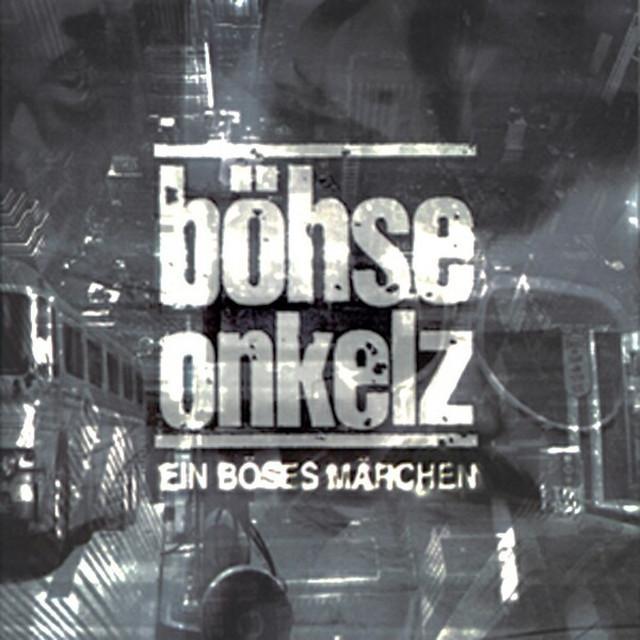
Why “Cést la vie” by Böhse Onkelz Hits So Hard
The meaning of Cést la vie Böhse Onkelz starts with a hard truth: this is a song about a person trapped in poverty, shame, and social neglect. Rather than offering rescue, the song looks straight at a life shaped by hunger, crime, addiction, and emotional damage. Its title sounds casual on the surface, but in context it feels bitter, not relaxed.
"Cést la vie" - Böhse Onkelz
Kein Geld aber Hunger
du klaust oder dealst
Loading lyrics...
Unable to load lyrics
We're unable to display the lyrics at this time. Please try again later.
Böhse Onkelz built their career on blunt language and confrontational themes, and their official band history shows how often they leaned into songs about outsiders and social tension. Here, that instinct becomes a portrait of someone the world has already written off.
A Portrait of a Life Cornered
At the center of the song is a person whose day begins badly and never really improves. The opening images connect hunger, lack of money, and survival choices. When the lyric points to stealing or dealing, it is not framed as glamour. It is shown as the ugly math of desperation.
The song then deepens that feeling with images of worthlessness and wear. Phrases like Wie Scheiße am Straßenrand
and ausgetretene Kippe
compare the person to trash that people pass without a thought. That is the emotional key to the whole track: they are not just poor, they have been made to feel disposable.
Interpretation: The song is less interested in judging bad choices than in showing how a broken environment can shrink a person’s options until self-destruction feels normal.
Watch the official Cést la vie
music video
Why the Chorus Feels So Cold
The chorus gives the song its emotional center. When it says Die Würfel sind gefallen
and Der Zug ist abgefahren
, it turns the story into a statement about fate. The message is not merely that life is hard. It is that the decisive moment may already be gone.
That is what makes the title phrase so cruel. “C’est la vie” usually suggests acceptance, even a shrug. Here it sounds like society’s shrug toward suffering. The chorus does not comfort the character. It tells them the road back may be closed.
C'est la vie
Der Zug ist abgefahren
Den Weg zurück
findest du nie
In plain terms, the refrain says that the person feels locked into the consequences of past damage, bad luck, and social abandonment.
Second-Person Storytelling Makes It Sting
One of the strongest choices in the song is its use of direct address. It keeps saying “you,” which makes the listener stand close to the subject instead of observing from a safe distance. The line Wo die Sonne niemals scheint
creates a place that feels both real and symbolic: a neighborhood, a mental state, and a social basement all at once.
This second-person voice can work in two ways. It may be speaking to one fictional character. But it can also sound like a broader address to anyone stuck in a cycle of exclusion. That wider reading fits a lot of Böhse Onkelz material, which often speaks to people who feel cut off from mainstream approval.
The emotional map of the verses
The verses move through a grim sequence:
- Material need leads to risky survival.
- Shame turns into numbness.
- Drugs become a way to get through the day.
- Emotional wounds harden into identity.
By the end, the person is described as unwanted and unloved. That final turn matters because it shows the deepest injury is not only economic. It is relational.
Images of Ruin and No Exit
The song’s imagery is simple but heavy. Hunger, locked doors, scars, and darkness all point to blocked movement. Even when the lyric gestures toward heaven or escape, that hope is distant. The person is searching, but not arriving.
The line about the locked door and Endstation
is especially important. A final stop is where movement ends. In this song, that image suggests more than a bad day. It hints at a whole system that stops people before they can rebuild.
Interpretation: The track can be heard as social commentary on people abandoned by family, class structures, and public compassion. It does not read like a redemption story. It reads like a warning about what happens when despair becomes permanent.
How the Metal Sound Supports the Message
The music matters to the meaning of Cést la vie Böhse Onkelz. The song’s metal frame gives weight to the lyrics instead of softening them. Heavy guitars, a firm rhythm section, and a rough vocal delivery would naturally suit this kind of material because the subject is not subtle pain. It is pressure, anger, and exhaustion.
That style also keeps the song from sounding sentimental. A softer arrangement might have turned the character into a victim figure only asking for pity. Metal gives them density and danger. The result is harsher, but also more human.
Even the repeated chorus works like a blow that lands harder each time. Instead of opening emotional space, it narrows it. That tightening effect mirrors the trapped life described in the verses.
What the Song Finally Says About Fate
At its deepest level, the song argues that some people are pushed so far down that “choice” becomes a thin word. It still recognizes action and consequence, but it places those inside a brutal setting. That balance is why the song remains unsettling. It neither excuses nor simplifies.
For U.S. listeners, the song can feel familiar despite its German language. Its themes echo any place where addiction, poverty, and neglect overlap. That universality helps explain why the song’s bleakness lands beyond its immediate cultural setting.
In the end, the meaning of Cést la vie Böhse Onkelz is not that life is random. It is that people often use fate-like language to hide social failure. The song stares at a damaged life and refuses to make it pretty.
Disclaimer: This interpretation is based on the lyrics provided, the song’s language, and Böhse Onkelz’s broader artistic context. As with any song, listeners may hear different meanings.






