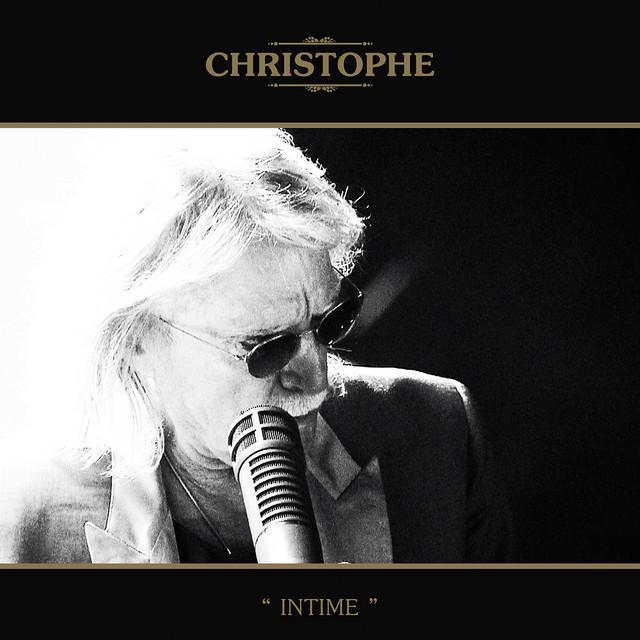
Why "Les mots bleus" Still Feels So Intimate
For many listeners, the meaning of Les mots bleus Christophe begins with a simple tension: they want to speak, but they fear speech will break the spell. That is why the song still lands so deeply. It is not just about romance. It is about the scary gap between feeling something powerful and finding a way to say it.
"Les mots bleus" - Christophe
Dans le square les fleurs poétisent
Une fille va sortir de la mairie
Loading lyrics...
Unable to load lyrics
We're unable to display the lyrics at this time. Please try again later.
Christophe, born Daniel Bevilacqua, co-wrote the song with Jean-Michel Jarre, a pairing that links emotional chanson style with elegant pop writing. The song is widely associated with Christophe's 1974 album Les mots bleus, and it remains one of his signature works. Those facts help frame the song, but its staying power comes from something more human: everyone knows the feeling of being full of emotion and not trusting language enough.
A Love Song About Almost Speaking
At the heart of the song, the narrator waits each evening for a woman they admire. They imagine what they want to say, and they rehearse a perfect confession. The key phrase, les mots bleus
, points to words that are soft, ideal, and emotionally true.
Instead of rushing toward a declaration, the song circles around hesitation. The narrator dreams of saying the kind of words qui rendent les gens heureux
, words that make people happy. Yet they also believe that too much speech can feel clumsy. This creates the song's central paradox: the best love words may be the hardest to say.

Watch the official Les mots bleus
music video
The Real Drama Lives in Silence
One reason the song feels so rich is that almost nothing dramatic happens on the surface. There is waiting, smiling, imagining, returning. But emotionally, everything is at stake.
The narrator is drawn to the stillness of a meeting, even admiring le silence immobile
. That image matters because it turns silence into something active, not empty. Silence becomes a space where attraction grows, where eye contact says more than polished lines ever could.
Les mots qu'on dit avec les yeux
Parler me semble ridicule
This is the song's clearest idea. It suggests that eyes can carry truth better than speech, and that talking can feel awkward beside a real emotional connection. In plain terms, the narrator is not cold or distant. They are overwhelmed by the fragility of the moment.
A Small Story With a Larger Emotional Arc
The lyrics move in a subtle sequence:
- They wait in a familiar public space.
- They imagine confessing their feelings.
- They hesitate and pull back.
- Time passes, and separation is implied.
- They return and hope for reunion.
That structure gives the song more than dreamy atmosphere. It shows how unspoken feelings do not disappear. They travel through time.
Later images suggest a changed world: clocks vanish, trees are down, and they come back by night train. These details make the emotional landscape feel less secure. Interpretation: this shift may reflect what happens when desire remains unresolved. The outside world starts to mirror inner dislocation.
Still, the smile returns. So does hope. The reunion section suggests that love may survive delay, but only if both people understand what has gone unsaid.
What the Chorus Really Means
The chorus is not only catchy; it is the song's emotional thesis. Each return to je lui dirai
sounds like a promise the narrator keeps making to themselves. They are trying to gather courage.
That repetition matters because the song never celebrates grand speeches. In fact, it questions them. The narrator sees long explanations as less authentic than a shared moment. Interpretation: the song argues that intimacy is not built by performance. It is built by sensitivity, timing, and mutual recognition.
That is why the title phrase carries both beauty and sadness. The words are imagined so vividly that they almost replace the act of speaking them.
Images of Time, Weather, and Place
The song's imagery is simple but precise. Church bells, a square, winter wind in April, the night train, the platform—these are ordinary details. Yet they create a world where waiting feels ceremonial.
The odd seasonal note, le vent d'hiver souffle en avril
, is especially telling. Spring should bring ease, but winter is still present. Emotionally, that means hope is mixed with doubt. Love is possible, but fear has not left.
The public settings also matter. This is not a private fantasy in a hidden room. It unfolds in everyday spaces, which makes the narrator's vulnerability feel even sharper. They are trying to protect something delicate in the middle of normal life.
How the Sound Carries the Meaning
The production helps explain why the song feels suspended between dream and confession. Christophe's singing is restrained, almost conversational, which fits a narrator who is more likely to hover than to burst out. The arrangement supports that mood with softness and elegance rather than force.
For listeners in the United States who may be discovering French pop through this track, that balance is key. The song does not need a huge climax to make its point. Its beauty comes from control, space, and emotional patience.
Interpretation: the music behaves like the narrator's heart. It moves forward gently, then holds back, preserving the fragile atmosphere the lyrics keep protecting.
Why the Song Endures
The meaning of Les mots bleus Christophe lasts because it captures a universal problem: sometimes feelings are real before language is ready. The song understands that love can live in glances, pauses, and near-confessions.
It also refuses an easy answer. They may finally speak. They may still be imagining the perfect moment. That ambiguity is not a weakness. It is the reason the song feels honest.
Final Thought
"Les mots bleus" is about tenderness under pressure—the fear that saying too much, or saying it badly, could damage what is most beautiful. That makes it one of pop's great songs about emotional precision.
Disclaimer: This interpretation blends widely accepted readings with informed analysis of the lyrics, sound, and context. Like any poetic song, it can support more than one meaning.






