Why 'Fortunate Son' Still Hits a Nerve
They’ve heard it at ballgames, in films, and on protest playlists: a two‑minute blast that calls out the distance between patriotic pageantry and real sacrifice. Creedence Clearwater Revival’s “Fortunate Son” is short, loud, and direct for a reason—it’s a working-class veto on being used.
"Fortunate Son" - Creedence Clearwater Revival
Ooh, their red, white and blue
And when the band plays "Hail to the Chief"
Loading lyrics...
Unable to load lyrics
We're unable to display the lyrics at this time. Please try again later.
The meaning of Fortunate Son Creedence Clearwater Revival
At its core, the song separates symbols from costs. The verses parade patriotic rituals—wave the flag
and Hail to the Chief
—then cut to who pays when leaders choose war. The narrator says he’s not one of the insulated few; he refuses to be counted among those born with a silver spoon in hand
.
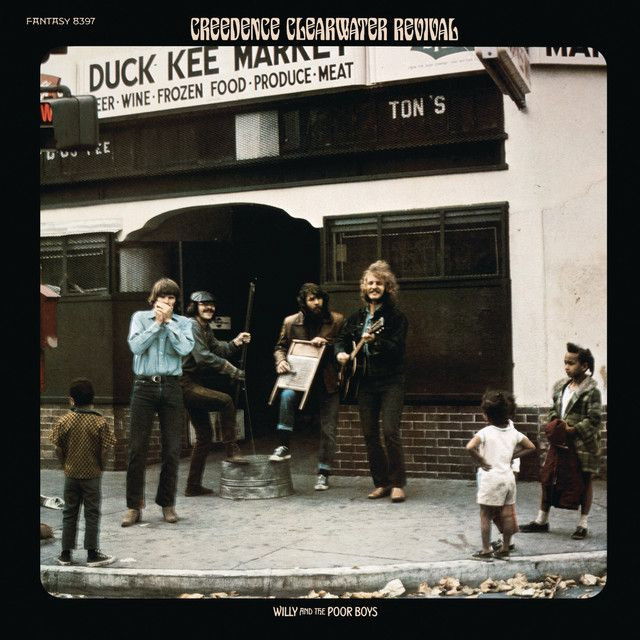
Fact: John Fogerty wrote and produced the track, released in September 1969 on Willy and the Poor Boys. In later comments and his autobiography, he tied the song to anger about the draft and how privilege shaped who served. The record’s timing—at the height of the Vietnam War—helped turn it into an anti-war movement anthem and a critique of power.
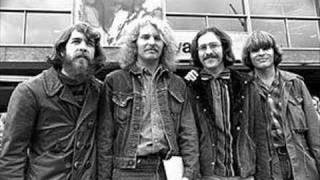
Watch the official Fortunate Son
music video
Who’s speaking, and who’s being challenged
The voice is first-person and unsparing. They push back against inherited rank, political connections, and patriotic showmanship. When leaders ask ordinary families how much they’ll give, the answer comes back as a demand—More! More! More!
—a sharp picture of a system that never gives back equally.
Interpretation: The “fortunate” of the title are not simply rich; they’re shielded. The song targets the people who benefit from policy but dodge its human costs.
What happens, in three punches
- Verse 1: Patriotic display becomes threat—the cannons point at regular people while the powerful applaud.
- Verse 2: Inherited wealth shrinks its tax burden while working households scramble; the narrator won’t pretend that’s fair.
- Verse 3: Blind nationalism—those
star-spangled eyes
—sends others to fight and then demands even more.
Each beat narrows the gap between image and reality until the chorus slams the door.
The chorus as a refusal, not a shrug
The hook isn’t apathy; it’s an assertion of dignity. The singer refuses to let elites claim his body or his consent.
It ain’t me, it ain’t me I ain’t no senator’s son
Interpretation: By naming what he is not, the narrator exposes how class and connections shaped draft outcomes. The repetition turns protest into a chant—easy to remember, impossible to ignore.
Symbols that carry the weight
- Flag and ceremony: The pageantry implies unity, but the song points out who gets protected by it.
Silver spoon
: The shortcut of birthright; advantages that buffer the few from risk.- The
taxman
: A pocketbook symbol of shared burden that often lands unevenly. Star-spangled eyes
: A vivid image of patriotic blindness—loving the symbols so much you can’t see the harm.
Together, these images sketch a map of American hypocrisy: big symbols up front, unequal costs in the back.
How the sound makes the case
Clocking in at about 2:18, the song wastes no time. It leans on roots rock grit—snare on the twos and fours, a sharp guitar riff, and Fogerty’s clenched vocal rasp. The arrangement is spare and fast, leaving no room for speechmaking. That urgency mirrors the message: the working class doesn’t get filibusters; they get orders.
Production matters here. Recorded in 1969 at Fantasy Studios in Berkeley and driven by Fogerty’s own hand as writer-producer, the track’s bite comes from dry guitars, minimal reverb, and a vocal mixed to cut through. No polish, just pressure.
Context, reception, and lasting impact
Released amid the Vietnam conflict, the single climbed the U.S. charts and quickly became shorthand for anti-war critique and solidarity with troops who served. Decades later, it was added to the National Recording Registry for its cultural significance. Major music publications continue to rank it among the greatest songs of its era and one of the top protest songs.
That broad reach sometimes creates confusion. When the song shows up at patriotic events, people may hear the chorus as pure rebellion. But the target isn’t the uniform; it’s the unequal system that chooses who must wear it. Fogerty himself, a veteran, has defended performances that honor soldiers while challenging the privileged.
Alternate readings worth considering
- Class protest first, anti-war second: Some hear it mainly as a class critique that happens to be set during wartime. The war reveals inequality, but the system is the real subject.
- Anti-hypocrisy anthem: Others read it as a warning against leaders who wrap policies in flags and ceremonies, then shift the cost to those with fewer options.
Both views fit the text. The lyrics leave space for listeners to map the ideas to their own time.
Takeaway
“Fortunate Son” pairs a barbed hook with plain language to say: don’t confuse patriotic symbols with justice. The chorus refuses a role in an unfair script and dares others to do the same.
Disclaimer: This analysis blends verified context with interpretation. Meanings can vary by listener and setting.








