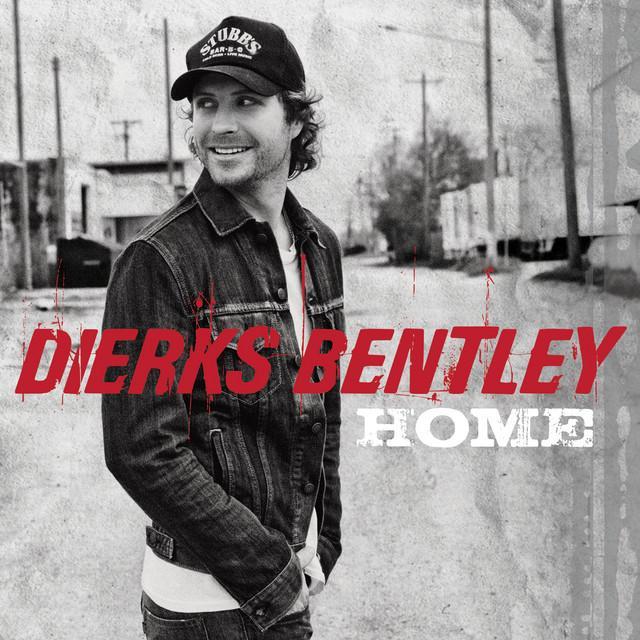
Why 'Tip It On Back' Hits Harder Than a Party Song
The meaning of Tip It On Back Dierks Bentley is bigger than a simple barroom anthem. On the surface, the song sounds built for a loud Friday night. Underneath, it tells a familiar country story: hard weeks, shrinking chances, and the need to shut off a worried mind.
"Tip It On Back" - Dierks Bentley
Miles of “For Sale” signs,
And them fields ain’t growin'
Loading lyrics...
Unable to load lyrics
We're unable to display the lyrics at this time. Please try again later.
Dierks Bentley has long balanced rowdy singles with songs that carry more weight than they first seem. That mix fits his career well. By 2025, they had built a catalog that includes eight No. 1 albums and 22 No. 1 songs, according to American Songwriter's 2025 cover story. That same article shows how they often chase songs with personality rather than safe formulas, saying, briefly, that weird’s cool
. That instinct helps explain why a party hook here still lands with real emotional pressure.
A Friday-Night Escape With Trouble Behind It
The clearest way to read the song is this: it is about using a night out to escape a life that feels stuck. The opening verse does not begin in a club or on a dance floor. It starts with signs of decline: stores are closing, land is not producing enough, and money feels tight.
That setup matters. Before the chorus ever asks anyone to tip it on back
, the song frames the night as relief from stress. The phrase sweet release
is short, but it does a lot of work. It suggests the narrator is not just chasing fun. They are chasing relief.
Interpretation: the song presents alcohol and nightlife less as celebration than as short-term medicine. The joy is real, but so is the pain underneath it.

Watch the official Tip It On Back
music video
The Story Moves From Public Trouble to Private Forgetting
The song follows a simple emotional timeline:
- The narrator notices a struggling town.
- Friday night arrives as a break from pressure.
- They turn toward drink, smoke, music, and romance.
- They admit they are trying not to remember something.
That last step is the key. Late in the song, the narrator says they do not want to remember what they came to forget. That line shifts everything. It reveals that the chorus is not only about drinking hard. It is about avoiding a thought, memory, or reality that hurts.
A short phrase like run this town
sounds bold and carefree, but it is limited by time. They only get a couple of hours. The song knows the escape will end.
What the Chorus Really Means
The chorus works because it is both literal and symbolic. Literally, the title means tipping a drink back. Symbolically, it means forcing oneself past hesitation and into numbness, motion, and release.
When the song says let it all go
, it becomes more universal. That “it” is left open on purpose. It could mean job stress, money problems, heartbreak, boredom, or deeper disappointment. That openness is why the chorus feels so singable: listeners can place their own burden inside it.
Interpretation: this is why the song connects beyond a drinking crowd. It turns a specific action into a broader ritual of coping.
Small-Town Images Give the Hook Its Weight
One of the strongest parts of the song is its contrast. The verses show economic pressure, while the chorus pushes pleasure and release. That tension gives the hook meaning.
The image of Main Street closing suggests more than one bad week. It points to a town losing its center. The reference to fields not growing fast enough adds a rural angle, grounding the song in working-class uncertainty. These are not random details. They explain why the night matters so much.
Then the song adds romance: grab the person beside you, dance, and try to make the world feel right. That scene is not deep in a poetic sense, but it is emotionally honest. People under pressure often reach for touch, music, and motion because those things interrupt worry.
How the Sound Helps Sell the Meaning
Production-wise, the song is built to feel easy and immediate. Even without getting lost in studio specifics, listeners can hear how the rhythm supports the lyric. The beat is steady, the chorus opens up, and Bentley's vocal delivery leans into a relaxed but urgent tone.
That balance matters. If the track sounded too dark, the release would not feel convincing. If it sounded too carefree, the verse details would feel fake. Instead, the song sits in the middle: bright enough for a weekend soundtrack, but grounded enough to carry lines about a hurting town.
This kind of contrast has been part of Bentley's appeal for years. Their catalog often pairs approachable country-rock energy with details about real life, and that tension keeps songs like this from feeling empty.
More Than a Drinking Song, But Not a Moral Lesson
It would be easy to overread the track and turn it into a grand statement about rural America. The song is not that detailed. It stays personal and immediate.
Still, it clearly knows that partying can be a response to pain. The line about not wanting to remember gives the song its emotional core. In that sense, the meaning of Tip It On Back Dierks Bentley is about denial as much as release. The narrator is not solving anything. They are buying a little peace.
That is what makes the song believable. It does not pretend one wild night fixes a broken place or a troubled mind. It only promises a few hours where the weight feels lighter.
Why It Still Resonates
Listeners in the United States often respond to country songs that mix realism with release, and this one does that cleanly. It offers a familiar weekend fantasy, but it also admits why that fantasy is needed.
In the end, the song's power comes from that tension between hardship and escape. It invites listeners to sing along to the release while quietly recognizing the hurt that made the release necessary.
Disclaimer: This interpretation is based on the song's lyrics, performance, and publicly available career context. As with any song, meaning can vary from listener to listener.






