Why 'El Bélico' Turns Power Into Identity
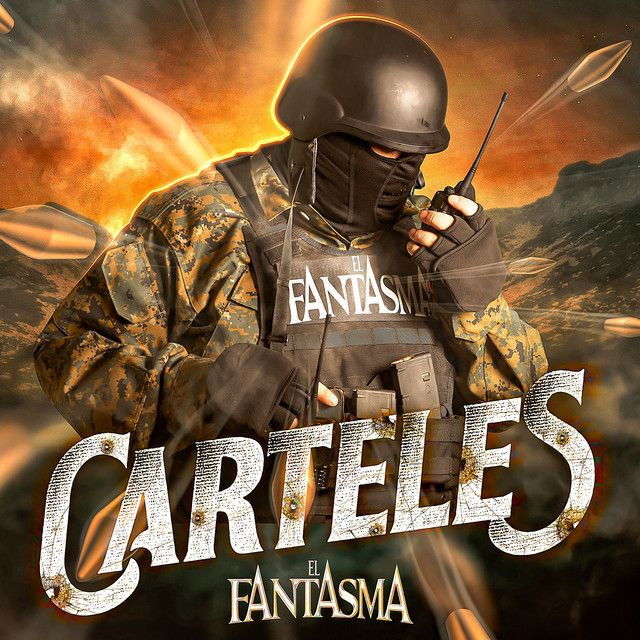
The meaning of El Bélico El Fantasma comes through fast: this is a corrido about a man who wants to be seen as armed, ready, and dangerous. Rather than hiding that image, the song puts it front and center. It builds a persona through force, convoy imagery, and group loyalty.
"El Bélico" - El Fantasma
Y son más que los trae una cartera
Pa' pegarnos en la madre donde quiera
Loading lyrics...
Unable to load lyrics
We're unable to display the lyrics at this time. Please try again later.
In the provided context, the song is credited to El Fantasma and written by Julio Cesar Avitia. That matters because corridos often work as character studies as much as personal confession. Here, the narrator sounds less like someone sharing feelings and more like someone announcing rank, rules, and reputation.
A Corrido Built on Threat and Status
At its core, the song is about self-definition through violence. Early lines stress toughness and fearlessness, including the phrase Traigo huevos
. Paraphrased, the narrator is saying they have nerve and will fight anywhere.
That attitude is not presented as random anger. The lyrics tie it to a whole structure: a team, trucks, weapons, and a chain of command. When the song mentions el equipo
, it suggests that identity comes from belonging to an armed circle, not just from individual bravado.
Interpretation: The song’s real subject may be image management. It is not only about what the narrator can do; it is about making sure everyone knows what they can do.
Who Speaks in the Song?
The voice is first person, but it constantly leans on the group. The narrator says Si soy bélico
as a blunt statement of identity. That phrase works like a thesis: they are warlike, and they want no confusion about it.
Still, the song does not sound lonely or introspective. It keeps returning to companions, vehicles, and a large moving unit. Even when the narrator speaks as “I,” they are really presenting a collective presence.
The audience inside the lyric
The song seems aimed at rivals, observers, and allies at once. One set of lines warns others to stay alert because envy never sleeps. Another section offers respect to gunmen and to those still standing in the arena of conflict.
That split matters. The song threatens enemies while also saluting peers. In other words, it is both warning and tribute.
How the Verses Build the Character
The lyrics move by accumulation. Instead of a plot twist, they stack details until the persona feels huge.
- The narrator opens by claiming courage and willingness to fight.
- They list weapons and tactical gear to show preparedness.
- They explain the convoy lifestyle, with multiple trucks and armed support.
- They broaden the frame to include a large crew and a hostile environment shaped by envy.
- They close by honoring fellow gunmen and survivors.
A phrase like 140
stands out because it turns the narrator from one person into a force backed by numbers. Whether read literally or as exaggeration, the effect is the same: scale equals power.
Trucks, Guns, and Armor as Symbols
The imagery is direct and repeated. The song mentions weapons, armored windows, and a lead vehicle with mounted firepower. These are not decorative details. They are symbols of a life where movement, defense, and attack all blend together.
When the lyric references Doble rodado
, it highlights the truck not just as transportation but as identity. In many corridos, vehicles signal rank, reach, and readiness. Here, the convoy becomes a mobile fortress.
Interpretation: The hardware in the song can also suggest insecurity. A person who needs constant armor and escort is projecting confidence, but they are also living as if danger is always near.
What the Hook Really Emphasizes
The repeated self-label matters more than any one weapon detail. By saying Si soy bélico
, the narrator answers an implied question from outsiders: why so many trucks, why so much force, why this hard stare? The hook says the answer is simple—this is who they are.
That makes the song less about a single event and more about a worldview. Violence is not treated as an exception. It is framed as daily posture.
How the Sound Supports the Meaning
Even without diving into long production credits, the style points to a modern corrido approach: firm rhythm, regional instrumentation, and a vocal delivery that sounds declarative rather than vulnerable. El Fantasma is widely associated with regional Mexican music and corridos through his public catalog and artist profiles, as reflected on sources like Billboard and Apple Music.
That sonic frame matters. A corrido like this usually relies on steady momentum instead of dramatic emotional swings. The arrangement lets the lyrics land like statements of fact. The singer does not need to sound chaotic; calm delivery can make the threats feel even colder.
A Tribute Hidden Inside the Bragging
The final section shifts slightly. The narrator offers respect to todos los pistoleros
and honors those who remain in the fight. That gives the song a communal layer.
So while much of the lyric is boastful, the ending widens the focus. It becomes a salute to a shared code: courage, obedience, and survival. In corrido terms, that is important because reputation is social. A feared person still wants recognition from their own circle.
The Bigger Meaning of El Bélico
The meaning of El Bélico El Fantasma is not subtle, but it is more than simple aggression. The song shows how a corrido persona is built: through weapons, crew size, movement, and public reputation. It dramatizes a world where power must always be visible.
Interpretation: Listeners may hear either glorification or exposure. On one hand, the song clearly admires strength. On the other, it portrays a life so militarized that trust, peace, and softness have no room to appear.
That tension is what gives the track its pull. It is a portrait of someone trying to control fear by becoming fear itself.
Disclaimer: This interpretation is based on the lyrics provided, common corrido conventions, and publicly known artist context. Song meaning can vary by listener and may differ from the creator’s private intent.







