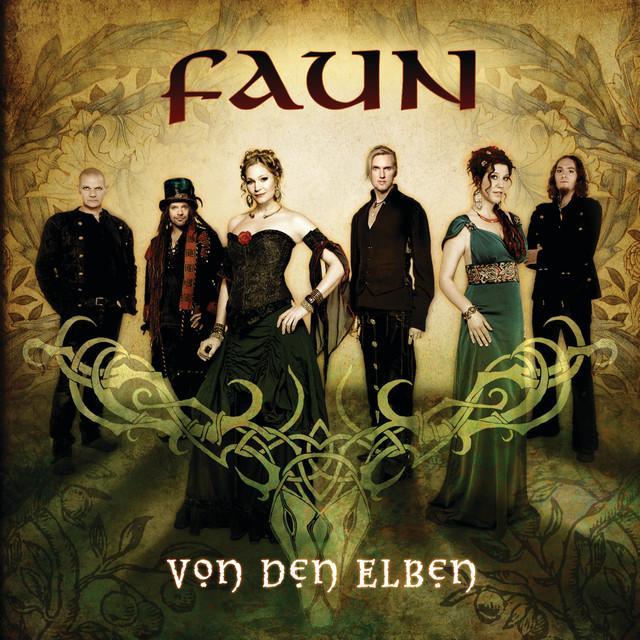
Why "Tanz mit mir" Turns Flirting Into a Folk Duel
The meaning of Tanz mit mir Faun, Santiano comes down to a lively push and pull. On the surface, it sounds like a drinking song built for a crowded hall. Under that surface, it is really a duet about desire, bargaining, and the rules two people set when attraction gets strong.
"Tanz mit mir" - Faun, Santiano
Bring den Wein zu mir, ich verdurste hier
Ach komm du Schöne bring den Wein zu mir,
Loading lyrics...
Unable to load lyrics
We're unable to display the lyrics at this time. Please try again later.
Faun are known for blending medieval and folk elements with modern production, while Santiano built their name on sea-shanty energy and big communal hooks. That pairing helps explain why this song feels both ancient and accessible: it stages courtship like a public game, full of music, spectacle, and challenge.
A Tavern Scene With Real Tension
The song opens with direct desire. One speaker asks for wine and companionship, linking thirst, pleasure, and attraction in a single motion. The repeated request is simple, but it quickly becomes a negotiation rather than a gift.
That is the key to the song. Every offer comes with a condition. The central phrase, tanz mit mir
, is not just an invitation to move. It is the price of entry into pleasure, intimacy, and attention.
In that sense, the lyrics create a flirtation duel. One voice asks, the other answers, and both try to shape what happens next. The result is playful, but it is also structured by rules.
Watch the official Tanz mit mir
music video
Who Is Speaking, and What Do They Want?
The song works best as a conversation between two bold personalities. One speaker offers wine only if the other joins the dance. The other agrees to climb up into public view, but only in exchange for affection and later loyalty.
This matters because the lyrics are not passive. When the song says nur wenn du tanzt mit mir
, it frames closeness as mutual. When it later warns sonst schläfst du wohl allein
, it makes clear that desire has limits.
Interpretation: The song presents seduction as a shared test. Each person wants pleasure, but neither wants to surrender control. That keeps the energy playful instead of simply romantic.
How the Story Moves From Dance to Temptation
The narrative unfolds in clear stages:
- A request for wine opens the encounter.
- The answer turns the request into a bargain through dance.
- The flirtation becomes public when one is invited onto the table.
- The mood shifts from spectacle to temptation and bed-sharing.
- A final condition appears: faithfulness for the night.
That movement is clever. The song starts with public festivity and ends with private possibility. Along the way, it never loses its sense of theater.
The table image is especially important. When the lyric says auf den Tisch hinauf
, the flirtation becomes visible to everyone. Desire is no longer hidden; it becomes performance. That is why the track feels so communal and rowdy.
The Chorus Makes Pleasure Sound Risky
The refrain is where the song deepens. Instead of just repeating the dance offer, it adds a moral wink:
Die Sünde lockt
Und das Fleisch ist schwach
These short lines do a lot of work. They frame attraction as a timeless human weakness, but with humor rather than guilt. The mention of the devil laughing turns temptation into something theatrical and almost festive.
Interpretation: The chorus suggests that the speakers know exactly what game they are playing. They are not innocent, and they are not tragic. They understand desire as messy, funny, and irresistible.
Symbols That Carry the Meaning
Several recurring images build the song’s meaning:
Wine as pleasure
Wine stands for more than drink. It represents indulgence, warmth, and lowered restraint. Asking for wine is also asking for permission to enter a freer emotional space.
Dance as consent and closeness
Dance is the song’s core symbol. It is public, physical, and mutual. When the lyric moves toward Leib an Leib
, the dance becomes a symbol of full bodily nearness.
Night as permission
The song’s nighttime setting gives the speakers cover to be bolder than they might be by day. Night in folk-style songs often means rules are looser, and this track follows that tradition.
Fidelity as a final boundary
The late condition about not kissing someone else adds an important twist. It shows that even in a playful setting, loyalty matters. The song allows desire, but not total chaos.
How the Sound Sells the Story
The production style is a big part of the appeal. Faun often use folk instrumentation and medieval textures in their catalog, while Santiano are known for strong group vocals and rhythmic drive. In a song like this, those qualities support the lyrics perfectly.
The beat encourages stomping and spinning, which fits the dance challenge at the center of the story. The vocal delivery also matters: it sounds like a call-and-response exchange, making the whole track feel staged in front of a crowd.
That sonic setup changes the emotional meaning. A private ballad could make these lyrics sound manipulative or solemn. Here, the bright folk-pop energy turns them into a lively contest, half flirtation and half festival ritual.
A Modern Listener’s Best Reading
For U.S. listeners, the song may first sound like a historical folk fantasy. But the meaning of Tanz mit mir Faun, Santiano is easy to recognize in modern terms. It is about chemistry, negotiation, and the fine line between invitation and condition.
Interpretation: The strongest reading is that the song celebrates mutual desire while insisting that attraction still needs rules. Pleasure is welcome, but so are standards. That is why the song feels more balanced than its rowdy chorus might suggest.
Why the Song Still Works
The track lasts because it turns old-world imagery into something instantly readable. Wine, dancing, sin, and jealousy are familiar tools, but the duet structure gives them motion and personality.
In the end, the song is not just saying “come dance.” It is saying: prove your interest, meet me halfway, and understand that even wild nights come with terms.
Disclaimer: This article offers an interpretation of the song based on its lyrics, performance style, and artist context. Meanings can vary from listener to listener.







