Why "Stay Alive" Feels Like a Promise at Dawn
The meaning of Stay Alive José González begins with pressure. The song opens in a world that feels rushed, drained, and emotionally thin. Instead of describing that crisis with dramatic detail, it uses simple images of stalled motion and fading purpose to show a life that has lost momentum.
"Stay Alive" - José González
Where the lights don't move and the colors don't fade
Leaves you empty with nothing but dreams
Loading lyrics...
Unable to load lyrics
We're unable to display the lyrics at this time. Please try again later.
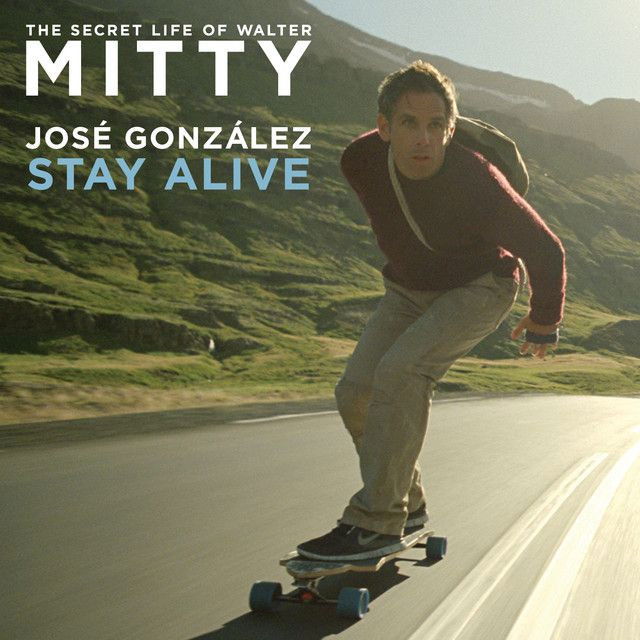
That restraint matters. José González recorded the song for The Secret Life of Walter Mitty soundtrack, where it appears as part of a story about risk, wonder, and waking up to life again. According to soundtrack listings from Republic Records and film coverage from 20th Century Studios, the track sits inside a movie already concerned with movement, fear, and change. That context helps explain why the song sounds both intimate and cinematic.
A Broken World, Told in Small Images
The verses describe a modern life that feels empty even when it is busy. The phrase world gone shallow
suggests a culture that moves fast but lacks depth. Soon after, the song adds images of engines, gears, and trains that will not move, turning emotional burnout into mechanical failure.
This is one of the song's clearest ideas: when inner life stops, the outer world seems to stop too. The speaker cannot escape, cannot refuel, and cannot rely on the usual systems. Interpretation: these lines can be heard as a portrait of anxiety or depression, where everyday motion exists but real progress feels impossible.

Watch the official Stay Alive
music video
The Chorus Turns Survival Into Intimacy
After those blocked and lifeless images, the chorus changes the song's emotional temperature. Instead of isolation, it offers closeness: I will stay with you tonight
. That promise makes survival a shared act rather than a lonely one.
The key line, just to stay alive
, can sound stark on paper. In the song, though, it feels tender. They are not hearing a threat or a command. They are hearing devotion under pressure. The point is not only to live, but to help someone else keep going until morning.
That shift is central to the meaning of Stay Alive José González. The song argues that hope does not always begin as confidence. Sometimes it begins as presence—staying, waiting, holding on.
Truth, Not Performance
In the second half, the speaker insists that what they feel is real, not polished or fake. The line about writing as they feel pushes back against dishonesty. Then the song answers despair with a firm claim: there is a truth
and it is still reachable.
This matters because the song never says the world has become easy. The machines are still stalled. The emptiness is still there. But against that backdrop, truth becomes a survival tool. Interpretation: the speaker may be saying that honesty, love, and clear sight are what remain when everything else breaks down.
Why Dawn Is the Song's Most Important Symbol
The repeated phrase Dawn is coming
is the song's emotional hinge. It takes the fear of the night and gives it a limit. Night is not forever. Waiting is not pointless. Morning will arrive.
Sunrise imagery often signals renewal, but here it does more than that. It asks for active attention: open the eyes, look toward the light, witness the new day. That means hope is not passive. The song invites a choice to see possibility even before life fully changes.
Dawn is coming
Open your eyes
This brief refrain captures the whole arc of the track. First comes the promise that change is near. Then comes the challenge to recognize it.
How José González's Sound Deepens the Meaning
González is known for quiet, detailed acoustic music, both solo and with Junip, as outlined on his official site and label pages from Mute. That style is crucial here. Rather than overwhelm the lyrics with huge production, the arrangement leaves room for breath, tension, and repetition.
The guitar pattern feels steady but not flashy. The vocal delivery stays gentle, which makes the message more trustworthy. If a louder singer had pushed the chorus into anthem mode, it might have sounded forced. González does the opposite: they hear calm resolve, the kind that arrives when panic has burned off and only care remains.
That balance also suits the film setting. The song feels big enough for a movie montage, yet close enough to sound like one person speaking quietly to another in the dark.
Two Strong Ways to Read the Lyrics
There are at least two persuasive readings of the song:
- A love-and-comfort reading. One person promises to stay beside another through fear, grief, or uncertainty.
- A broader survival reading. The song speaks to anyone living in a depleted world and trying to hold onto hope, truth, and action.
Both work because the lyrics stay open. They move between personal touch and social exhaustion without locking into one storyline.
Why the Song Still Connects
What makes this track memorable is its refusal to choose between realism and hope. It admits that the world can feel stalled, thin, and hard to trust. At the same time, it insists that love, truth, and morning are still possible.
For many listeners, that is the real meaning of Stay Alive José González: survival is not heroic in a flashy way. It is patient. It is honest. And often, it begins with one person telling another that they will make it to sunrise together.
Disclaimer: This interpretation is based on the lyrics, performance, and public context around the song. Like all art, listeners may connect with it in different ways.







