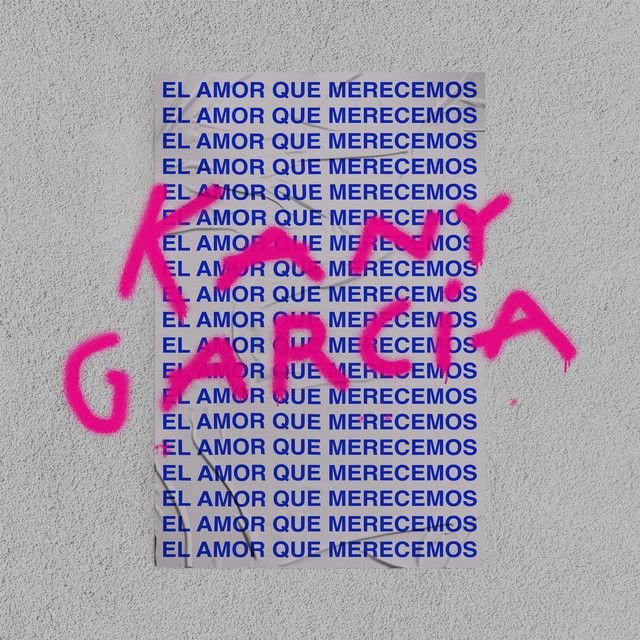
DPM (De Pxta Madre) by Kany García
Breakups rarely sound this sunny. Kany García flips post-relationship blues into a bright victory lap, using humor and daily rituals to show how good life can feel after letting go. For readers seeking the meaning of DPM (De Pxta Madre) Kany García, this song is a clear statement: freedom, self-respect, and community can turn pain into power.
"DPM (De Pxta Madre)" - Kany García
A que el café en la mañana siempre supiera amargo
A que los días de lluvia se nos hicieran largos
Loading lyrics...
Unable to load lyrics
We're unable to display the lyrics at this time. Please try again later.
Why the Title Hits Hard—and Feels Good
The phrase in the title uses a swear for emphasis, but here it signals joy, not anger. The narrator admits things used to feel heavy. Now they declare, in spirit, that everything is going spectacularly well. The contrast between past and present gives the title its punch and its wink.

Watch the official DPM (De Pxta Madre)
music video
What the Song Is Really Saying
Interpretation: The core message is post-breakup liberation. The verses recall how the partner normalized conflict and gloom. Then the chorus swings open with scenes of ordinary happiness—work going well, friends returning, and a home that finally feels peaceful.
Short bursts like bailando
, sonriendo
, and nadie me está jodiendo
compress the feeling into snapshots. They show motion, lightness, and boundaries. The song reframes the breakup not as loss, but as room to breathe.
Who’s Speaking—and To Whom?
The narrator speaks in first person to an ex, but they’re really talking to themselves, too. A line such as el espejo me dice "Guapa"
signals a new inner voice. Self-talk turns kinder; confidence replaces appeasement. The addressee matters less as the song progresses—the focus shifts to healing.
The Story in Three Beats
- Before: Petty fights and second-guessing leave the world dim. Even good things feel dulled.
- Break: The relationship ends. Instead of collapse, routines bloom: singing in the shower, chatting with neighbors, plans for the weekend.
- After: A new season begins—
primavera to' el año
—where work, friends, and self-image align.
These steps trace a classic recovery arc: from survival to joy.
The Chorus That Seals the Smile
The refrain works because it’s simple and bold. It repeats the feeling until it sticks, turning private relief into a communal chant.
Desde que tú te has ido Me ha ido de puta madre
Interpretation: The power lies in naming the change. The goodbye isn’t tragic; it’s a threshold. By anchoring the claim in everyday wins—better mood at work, open doors, no barking chaos—the chorus becomes a proof of life, not just a boast.
Symbols and Everyday Motifs Explained
- Weather and seasons: The song moves from gray to a never-ending spring, signaling resilience and rebirth.
- Home and neighborhood: Greeting neighbors and quiet streets replace tension, suggesting that peace is practical, not abstract.
- Body and mirror: The mirror’s compliment nods to self-love earned through struggle.
- Work and routine: A raise and bathroom singing paint healing as habit, not miracle.
Together, these images sell a grounded kind of joy—no luxury, just life finally fitting.
How the Sound Carries the Message
Even without knowing the exact gear or tempo, listeners can hear the plan: upbeat rhythm, buoyant melodies, and a bright, major-key feel. The groove invites dancing, which matches the lyrics’ bailando
and sonriendo
images. Call-and-response vocals and a hook built to chant turn the chorus into a shared celebration. The arrangement leaves space for the words to land, so the punchline joy—qué bien me va
—rings out.
Artist Context and Credit Where It’s Due
Kany García is known for frank storytelling and emotional clarity. DPM fits that lane, but adds a playful, cheeky edge. The writing credit—Encarnita García De Jesús (Kany García), Ricardo López, Servando Primera, and Yasmil Marrufo—helps explain the tight, singable hook and lived-in details. Their craft makes the turnaround feel believable.
Alternate Readings Worth Considering
- Interpretation: A mental health reset. The ex isn’t the only problem; the song also models boundaries and self-championship. The mirror line and friendly routines show skills that last beyond any one breakup.
- Interpretation: A social anthem. Because the hook is so catchy, the track doubles as a crowd cleanser—a chance for listeners to laugh off their own baggage and dance it out together.
The Lasting Takeaway
DPM is a reminder that sometimes subtraction equals addition. When a heavy love leaves, peace, humor, and community can flood back in. That’s the deeper meaning of DPM (De Pxta Madre) Kany García offers—freedom that feels like spring.
Disclaimer: Song meanings are interpretive and subjective. This analysis reflects one informed reading based on the lyrics and public context.







