Why 'Cause I Love You' Still Hurts
The meaning of 'Cause I Love You Lenny Williams comes down to a powerful mix of devotion, pain, and emotional need. On the surface, it sounds like a straightforward love song. But as it unfolds, it becomes something more intense: a portrait of a man who sees love as both his strength and his weakness.
"'Cause I Love You" - Lenny Williams
Ah
Girl, you know I love you
Loading lyrics...
Unable to load lyrics
We're unable to display the lyrics at this time. Please try again later.
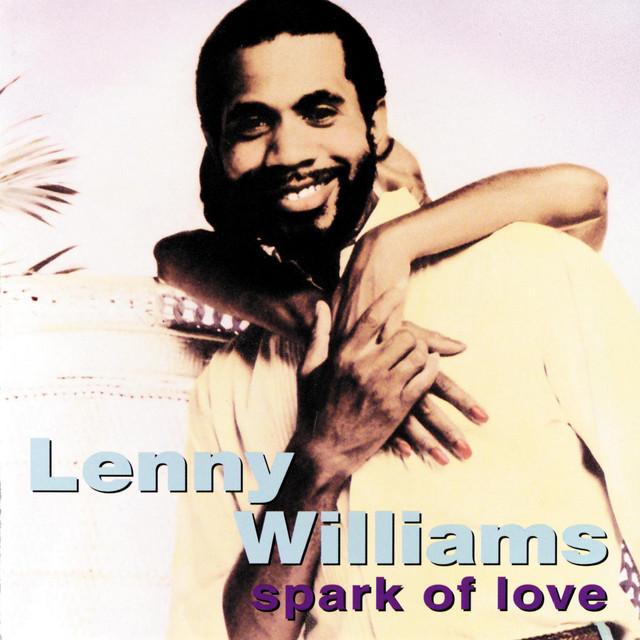
Released by Lenny Williams in the 1970s, the song became one of his signature performances and a lasting soul classic. It is widely associated with his album Spark of Love and helped define his post-Tower of Power career. The writing is credited to Lenny Williams and Michael Bennett.
A Love Song That Quickly Turns Fragile
At first, the narrator speaks with calm certainty. He promises loyalty, says his words are honest, and admits he may not have wealth, but he wants to build a life with the woman he loves. When he says no matter what you do
, the idea is not just romance. It suggests unconditional commitment, even when the relationship feels uneven.
That is what gives the song its emotional hook. It is not about easy love. It is about love that survives insecurity, lack, and fear. The repeated title phrase 'cause I love you
works like a full explanation for every promise he makes.

Watch the official 'Cause I Love You
music video
The Core Theme Is Need, Not Just Devotion
The song gets deeper because the singer does not only express affection. He also reveals dependence. He says the relationship helps him endure, and phrases like makes me grow stronger
frame love as emotional survival.
Interpretation: This is why the song can feel both beautiful and uneasy. The narrator is sincere, but he also sounds like someone whose emotional balance depends heavily on another person. That tension is a big part of why listeners still respond to it.
The Story Hidden Inside the Performance
One reason the track stands out is its spoken monologue. Instead of staying in the usual verse-chorus shape, the song opens into a dramatic confession. The narrator describes trying to reach the woman he loves, getting no answer, and letting his loneliness spiral.
This section matters because it changes the meaning of the whole song. Before it, his promises sound noble. After it, they sound urgent and wounded. He is not just saying he loves her. He is saying that being without her leaves him emotionally shattered.
You get lonelyAnd I cry
Those short lines capture the emotional center of the monologue. He is stripped down to need and grief. Then the story turns again when he remembers meeting her smile and hand as a kind of rescue. The song presents love as healing, but only after showing how badly he can hurt.
Why the Chorus Feels So Big
The chorus is simple, but that simplicity is exactly why it works. The repeated claim never gets more complicated. Instead, the performance changes around it. Each return to the hook sounds heavier, more desperate, and more convincing.
In soul music, repetition often acts like proof. The more the singer repeats an idea, the more they seem to be trying to survive it, not just describe it. Here, the hook becomes the answer to every problem in the song: poverty, doubt, jealousy, loneliness, and fear.
How the Sound Carries the Meaning
Musically, the song lives in the world of classic 1970s soul: slow tempo, rich backing, and space for a highly expressive lead vocal. The arrangement supports the story instead of crowding it. That lets Williams push from a tender tone into the cracked, pleading sound that made the performance famous.
His voice is the real engine of meaning. He does not sing like someone making a polished statement. He sings like someone trying to hold himself together in real time. The long cries, rough edges, and dramatic rises turn lines that could look simple on paper into something unforgettable.
Interpretation: That vocal intensity is why the song lasts. Many love songs say the same basic thing. Few make listeners feel the body-level strain of love the way this one does.
Faith, Loyalty, and Masculinity
Another important layer appears when the narrator contrasts himself with men who want many women. He says he wants one person only, and even invokes God's will
. That places the song inside a moral frame, where commitment is tied to character.
There is also a quiet masculinity story here. He admits he does not have riches and says he is trying to be more of a man. In other words, he measures love not by status, but by effort and loyalty. That makes the song feel humble as well as dramatic.
Why It Still Connects
The meaning of 'Cause I Love You Lenny Williams still resonates because it captures something many listeners recognize: love can sound noble and messy at the same time. The song honors commitment, but it also shows how devotion can slide toward desperation.
That dual feeling is what keeps the track alive across generations. Some hear a timeless pledge. Others hear a warning about emotional overdependence. Both readings are supported by the performance.
Final Take on the Song’s Meaning
At its heart, the song is about a person explaining everything through love. His loyalty, pain, weakness, and hope all come from the same source. That is what makes it feel so huge.
It is not just a romance song. It is a song about what love asks from a person when they have already given almost everything.
Disclaimer: This interpretation is based on the lyrics, performance, and historical context, and other listeners may hear the song differently.







