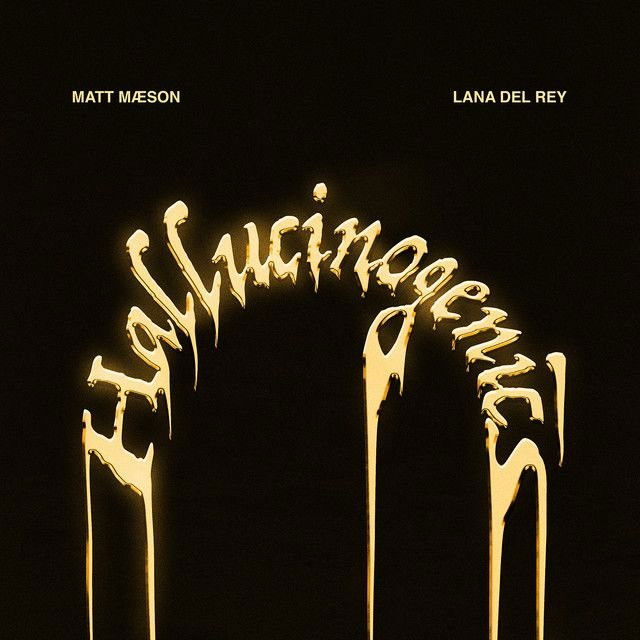
Why ‘Hallucinogenics’ Feels So Spiritually Wrecked
The meaning of Hallucinogenics Matt Maeson, Lana Del Rey comes down to a painful cycle: escape, regret, and the fear that a person may already be becoming the version of themselves they once rejected. The song sounds hazy on the surface, but its emotional core is sharp. It is less a celebration of excess than a confession about what happens after the high fades.
"Hallucinogenics" - Matt Maeson ft. Lana Del Rey
Trippin' on hallucinogenics
My cigarette burnt my finger
Loading lyrics...
Unable to load lyrics
We're unable to display the lyrics at this time. Please try again later.
Factually, “Hallucinogenics” was first released by Matt Maeson in 2018 and later reworked with Lana Del Rey on the 2020 official remix. It appears on Maeson’s debut album Bank on the Funeral, and the remix helped bring the song to an even wider audience, including a No. 1 peak on Billboard’s US Rock & Alternative Airplay chart, according to the available chart summary in the song’s release history.
A Confession Disguised as a Drug Song
At first glance, the hook points straight to intoxication. Phrases like pushing past the limit
and trippin' on hallucinogenics
make the song sound bluntly chemical. But the lyrics quickly show that the substances are only part of the story.
The bigger issue is compulsion. The narrator keeps crossing lines, then falling back into habits they already know are destructive. When the song mentions returning to the life
they swore off, it frames the relapse as emotional and moral, not just physical.
Interpretation: this is a song about self-recognition at a bad moment. They are not confused about whether they are spiraling. They know it, and that knowledge makes the song hit harder.
Watch the official Hallucinogenics
music video
The Real Wound Is Emotional Avoidance
One of the most revealing moments is the admission I just couldn't open up
. That short line changes the whole song. It suggests that the reckless behavior is tied to intimacy problems, shame, or fear of being known.
The next image, I'm always shiftin'
, deepens that idea. The speaker presents themselves as unstable and hard to hold onto. Instead of promising change, they almost push the other person away, saying they should find someone safer, steadier, and more socially acceptable.
This is where the song moves beyond the usual “bad decisions” narrative. It is about a person who seems to believe they are unfit for love. The self-destructive behavior may be real, but so is the self-condemnation.
A Story of Blur, Blackout, and Return
The verses build a loose timeline of collapse:
- They chase intensity and lose focus.
- They drift into a crowd of fellow strugglers.
- They fail at emotional honesty.
- They end up back in the life they wanted to escape.
The Seattle verse is especially bleak. Instead of a vivid memory, the narrator remembers almost nothing about the other person. That lack of detail matters. In a song full of dramatic behavior, blankness becomes the scariest image.
bloodshot eyesshaky hand
Those brief details from the later section turn the song’s inner damage into something visible. The body starts carrying the truth that the mind keeps dodging.
Why the “Wayward” Image Matters
The repeated “wayward” idea gives the song a moral and spiritual frame. It suggests not just being lost, but straying from a path one was supposed to follow. That word carries guilt, family pressure, and maybe religious undertones.
That reading fits Maeson’s broader writing style, which often mixes blunt modern behavior with language that feels confessional or faith-adjacent. In “Hallucinogenics,” the result is a portrait of someone who does not just feel messy. They feel fallen.
Interpretation: the song’s deepest pain may be identity collapse. The narrator is not only saying, “I did bad things.” They are saying, “I became someone I barely respect.”
How the Lana Del Rey Remix Changes the Mood
The remix with Lana Del Rey does not rewrite the song’s meaning, but it does widen it. Her voice adds distance, glamour, and ghostliness. Where Maeson often sounds cracked and immediate, Del Rey sounds cool in a way that makes the damage feel even sadder.
Critics noticed that balance. Billboard praised her “ethereal vocals,” while Rolling Stone described the track as beginning like a soft acoustic folk song before expanding with heavier drums and atmospheric synth touches. That production arc matters because it mirrors the lyric arc: private confession grows into emotional overwhelm.
Sound as Meaning, Not Decoration
Musically, “Hallucinogenics” starts with an intimate acoustic feel. That sparse opening makes the first lines sound personal, almost like a late-night admission. As the arrangement grows, the song becomes more unstable and dramatic.
The drums hit harder, the atmosphere thickens, and the hook starts to feel less casual than desperate. According to release information, the track was produced by David Baron, Simone Felice, and James Flannigan, whose work helps balance folk intimacy with alt-rock force.
That blend is key to the meaning of Hallucinogenics Matt Maeson, Lana Del Rey. The song needs both textures: the quiet voice that confesses and the swelling sound that shows how large the damage has become.
The Lasting Meaning of “Hallucinogenics”
In the end, “Hallucinogenics” is about more than drugs, bad nights, or romantic failure. It is about a person watching themselves repeat destructive patterns while still being painfully aware of what those patterns cost.
The remix adds beauty, but not comfort. If anything, it makes the song feel more tragic: two voices circling the same wreckage, both sounding like they know there is no easy fix.
That is why the song lasts. It captures the moment when thrill turns hollow, memory turns blurry, and self-knowledge offers no rescue.
Interpretation disclaimer: song meaning is never fully fixed. This reading is based on the released lyrics, production choices, and publicly available release context, but listeners may reasonably hear different shades of meaning.









