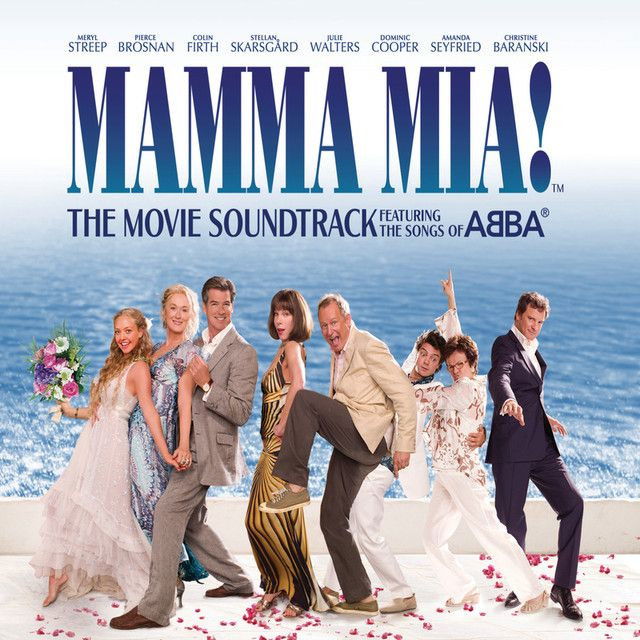
Why Donna Can't Resist in Mamma Mia
The meaning of Mamma Mia Meryl Streep comes down to one painful idea: they know a past love hurt them, but they still cannot break the emotional pull. In the 2008 film Mamma Mia!, Meryl Streep performs the song as Donna Sheridan, and that casting changes how many viewers hear it. What was once an ABBA pop hit becomes a character moment about old wounds opening fast.
"Mamma Mia" - Meryl Streep
So I made up my mind, it must come to an end
Look at me now, will I ever learn?
Loading lyrics...
Unable to load lyrics
We're unable to display the lyrics at this time. Please try again later.
The film itself was a major hit, earning about $706 million worldwide after releasing in 2008, despite mixed reviews (Wikipedia). That matters because the song reached many people through Donna, not just through ABBA. Streep's performance gives it a lived-in, older, more reflective feeling.
A Breakup Song About Relapse, Not Closure
At its core, the song is about someone caught between reason and desire. They say they were wronged and tried to end things. But the second this person reappears, their emotional control disappears.
That is why the hook lands so hard. When Donna sings here I go again
, the phrase does not sound triumphant. It sounds like recognition. They have been pulled back into a cycle they understand all too well.
Interpretation: The song is not simply asking why attraction remains. It is showing how memory, chemistry, and regret can overpower good judgment. The speaker knows better, yet still feels magnetized.

Watch the official Mamma Mia
music video
How the Verses Build the Song's Conflict
The opening lines set up betrayal and a decision to move on. Then the lyrics quickly shift from determination to collapse. A single glance causes the narrator to lose balance, and the body reacts before the mind can catch up.
Short phrases like lose control
and fire within my soul
present love as physical and immediate. This is not calm reflection. It is a rush. The person does not choose the feeling; the feeling seems to happen to them.
That is why the song feels honest. Many breakup songs focus on either anger or sadness. This one holds both, then adds attraction back into the mix. They are hurt, embarrassed, and still deeply drawn in.
Why Meryl Streep's Version Feels Different
In Mamma Mia!, Streep plays Donna Sheridan, a woman whose past walks back into her present when three former lovers arrive on her Greek island ahead of her daughter's wedding (Wikipedia). In that story context, the song becomes more specific.
Donna is not singing as a teenager in a messy romance. They are singing as an adult forced to face unfinished emotions. That gives the line how much I've missed you
a stronger bite. It suggests that time did not erase the attachment.
Streep was already known as a strong actor before the film, and the movie leaned into character over polished pop perfection. Some critics praised her energy even when they were mixed on the film overall; Variety said Streep seemed "rejuvenated" in the musical-comedy setting (Wikipedia). Her vocal approach helps the song feel less like a studio exercise and more like a burst of real emotion.
The Chorus Turns Weakness Into a Pop Explosion
The chorus is catchy because it pairs distress with bounce. The title phrase Mamma mia
works like an exclamation of surprise, panic, and surrender all at once. It is almost a spoken reaction before it becomes melody.
Then comes the key question: how can they resist? That question has no real answer. The singer already knows they cannot. The chorus repeats the trap rather than solving it.
I've been brokenhearted
since the day we parted
Those lines are simple, but they explain the entire emotional engine of the song. The pain never ended, so the reunion does not create new feelings. It reactivates old ones.
Sound, Tempo, and Production Meaning
Part of the song's power comes from contrast. ABBA's writing often pairs sadness with bright pop structure, and this track is a classic example. Benny Andersson and Björn Ulvaeus provided the music that lets tension ride on top of an upbeat groove; they are credited as key musical creators of the stage and film world of Mamma Mia! (Wikipedia).
The rhythm pushes forward, while the vocal phrasing sounds caught off guard. That mismatch mirrors the lyric meaning. The song dances, but the singer spirals.
In the film version, the lively arrangement also fits the sunlit Greek setting. That creates another useful contrast: bright scenery, messy emotions. Donna may be in paradise, but inwardly they are in a storm.
A Few Strong Symbols in the Lyrics
Several small images carry the song's meaning:
- A look: one glance restarts everything.
- A bell ring: attraction feels sudden and involuntary.
- Fire: desire returns as heat, not thought.
- Blue: separation becomes lasting sadness.
These details keep the lyrics easy to follow while giving them emotional force. Nothing is abstract. Every image points back to the body reacting before the mind can recover.
Final Take on the Meaning
The meaning of Mamma Mia Meryl Streep is the shock of discovering that a relationship still has power long after it should be over. The singer knows the cost, remembers the heartbreak, and still wants the person back.
Interpretation: In Donna's hands, the song becomes less about simple romantic weakness and more about unfinished life chapters. It captures the uncomfortable truth that maturity does not always protect people from old feelings.
This interpretation is one informed reading of the song and film performance, not a definitive statement of author intent.






