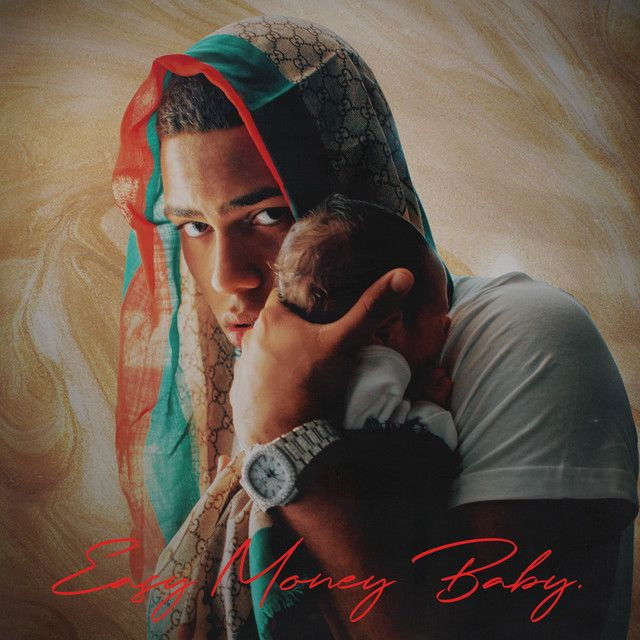
Diosa by Myke Towers
A simple hook turned into a statement of status—that’s the heart of the meaning of Diosa Myke Towers. The song lifts a woman from everyday labels to a mythic space, using the language of reggaeton bravado to frame admiration as devotion.
"Diosa" - Myke Towers
Era mi reina, ahora e' mi diosa
Y hace lucirla' a las demá' como envidiosas
Loading lyrics...
Unable to load lyrics
We're unable to display the lyrics at this time. Please try again later.
From Queen to Goddess: The Core Message
Diosa is a public coronation. The narrator used to call her his queen; now he calls her a goddess. In the chorus he declares:
Era mi reina, ahora e' mi diosa Hace lucirla' a las demás como envidiosas
Interpretation: he’s not just praising her looks—he’s elevating her social aura. She outshines rivals, and people notice. That jump from queen to goddess signals worship and exclusivity, which sets the emotional tone for the entire track.

Watch the official Diosa
music video
Who’s Talking—and Why She’s Untouchable
The voice is first person, addressing a woman who is both desired and respected. He paints her with bold traits: pelinegra y peligrosa
. The danger isn’t literal; it’s the charge she brings into a room. He also underscores her agency. Even with attention from others, she los ignora
. She is not easy to win over, and that’s part of the appeal.
Jealousy flashes too. When another woman steps in, she se pone celosa
. That dynamic hints at mutual possession—his pride in her, her protectiveness of him. The meaning of Diosa Myke Towers balances admiration with human tension.
A Simple Story Told in Bold Images
Here’s the narrative in clean beats:
- He spots or remembers her power—how she makes others stare.
- He boasts about their chemistry and her talent in intimacy, while keeping details discreet.
- He lays out exclusivity: she’s with him; others can’t have her.
- He warns that if someone plays with her heart, she can break theirs.
Throughout, short phrases like otra cosa
and no ere' cualquiera
operate like stamps of status. They frame her as rare, beyond comparison.
The Hook as a Pedestal, Not a Cage
The chorus works like a pedestal. It repeats the elevation—queen to goddess—until it sticks. Interpretation: the repetition functions as a public ritual, placing her above the crowd and defending her from gossip. It’s less about control and more about declaring value in a scene where reputation is currency.
Symbols, Status, and Desire in Reggaeton Code
Diosa uses familiar reggaeton motifs—envy, exclusivity, and luxury—to communicate respect. Calling someone a goddess blends romance and myth. Envy surfaces to measure her impact on others, not to shame her. Her refusal to entertain suitors marks independence.
Even the jealousy lines serve the fantasy: a pair so magnetic that they draw attention and must guard their bond. Interpretation: the song is a modern serenade in club language—praise wrapped in swagger.
Production Choices That Elevate the Praise
Produced by Fara, the track rides a smooth dembow with crisp percussion, warm bass, and glossy synths. The tempo stays in an easy midrange—danceable but unhurried—so the vocals can flex. Myke Towers leans into a relaxed, confident delivery, stretching syllables to make the hook land and giving verses a conversational flow.
That vocal contrast—melodic hook, talky verses—keeps the spotlight on the central claim: she’s above the rest. The beat leaves space around punch lines, letting phrases echo like captions on a photo. It’s efficient storytelling through sound.
Context: Release, Reach, and Remix
Diosa arrived February 5, 2020, as a single from Easy Money Baby. It became one of the album’s defining moments, bolstered by a sleek video and steady radio traction. The song scored strong chart placements in Spain and across Latin America, and it earned multi-platinum status in the U.S. Latin market, signaling wide streaming and airplay.
A remix featuring Anuel AA and Natti Natasha dropped October 28, 2020, adding new perspectives while keeping the worshipful core. The remix’s extra verses widen the narrative but preserve the same pedestal effect.
Alternate Takes: Devotion or Possession?
Interpretation 1: Devotional praise. He’s lifting her up as a way to celebrate confident femininity, especially her refusal to be bothered by clout-chasers.
Interpretation 2: Possessive streak. Lines about jealousy and exclusivity could read as controlling. Yet the lyrics also stress her autonomy—she chooses him, ignores others, and sets the terms.
Both readings can coexist, which is part of the song’s magnetism.
Takeaway
The meaning of Diosa Myke Towers is a glossy ode to a woman who commands the room—and the relationship. By turning admiration into status, the song turns a love interest into a legend. Note: Interpretation is subjective; listeners may hear different shades depending on context and translation.






