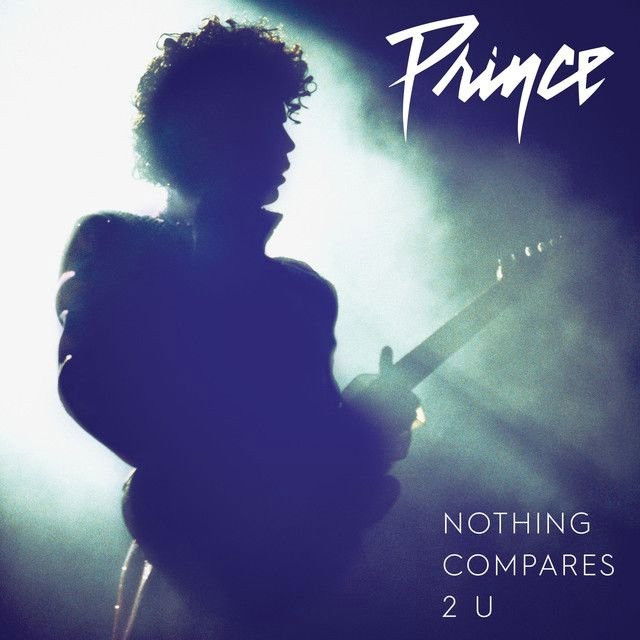
Why Prince’s 'Nothing Compares 2 U' Still Hurts
The meaning of Nothing Compares 2 U Prince starts with a simple idea: losing one person can make the whole world feel smaller. Prince wrote the song in 1984, and it first appeared with the Family in 1985. But for many listeners, its emotional life expanded through Sinéad O’Connor’s 1990 hit version, which turned Prince’s writing into one of pop’s clearest portraits of absence.
"Nothing Compares 2 U" - Prince
Since you took your love away
I go out every night and sleep all day
Loading lyrics...
Unable to load lyrics
We're unable to display the lyrics at this time. Please try again later.
At its core, the song is about a breakup that does not feel finished. The speaker is trying to function, socialize, and even enjoy freedom, yet none of that touches the real wound. The point is not just sadness. It is the discovery that independence means very little when the person they love is gone.
A Breakup Song With No Easy Escape
The verses build that feeling through everyday details. Early on, the clock starts ticking with seven hours and thirteen days
, a precise number that makes the loss feel fresh and obsessive. They are not just sad in a general way. They are counting.
Prince then shows how grief distorts routine. The narrator goes out, sleeps oddly, and tries to prove life can continue. They can do anything, see anyone, even enjoy material comfort. But the song undercuts that freedom with the central truth: nothing replaces real connection.
That is why the chorus hits so hard. Nothing compares to you
is not poetic in a fancy way. It is direct, absolute, and almost childlike. That simplicity makes it believable.

Watch the official Nothing Compares 2 U
music video
How the Lyrics Turn Freedom Into Emptiness
One of the song’s sharpest moves is its irony. The narrator says they can choose who to see and what to do, but every option feels hollow. In other words, the breakup has removed meaning, not just companionship.
That idea deepens in lines like bird without a song
. The image suggests identity loss. They are not simply missing someone; they no longer sound like themselves.
There is also a current of self-questioning. When the singer asks where they went wrong, the song moves beyond longing into regret. That matters because it keeps the speaker from sounding passive. They are grieving, but they are also replaying the relationship, searching for the point where love failed.
Small Images, Big Damage
Prince uses a few plain images that carry large emotional weight. Rain stands in for ongoing sorrow, the kind that keeps falling whether someone wants it or not. Flowers suggest care, memory, and shared domestic life. When those flowers die, the song implies that love once helped sustain the whole environment.
The backyard image is especially powerful because it shrinks heartbreak into a private space. This is not dramatic movie heartbreak played out in public. It is personal, domestic, and close to home.
All the flowers that you planted
all died when you went away
Even in that brief image, Prince links emotional loss to physical decay. Interpretation: the relationship did not just end; it took color and vitality with it.
The Prince Context Behind the Song
Factually, Prince wrote the song in 1984, and the Family released the first official version in 1985. Prince later performed it himself, including a live version with Rosie Gaines released on The Hits/The B-Sides in 1993, and his 1984 demo arrived officially in 2018.
No single public explanation from Prince settled exactly who the song was about. That has led to many theories. The safest reading is also the strongest one: the lyric itself overwhelmingly supports romantic separation, even if listeners bring other losses to it.
Why Sinéad O’Connor Changed the Song’s Meaning for Many
Although this article centers on Prince’s writing, O’Connor shaped how millions understood it. Her version, produced by Sinéad O’Connor, Nellee Hooper, and Chris Birkett, strips the song down so the loneliness feels almost unbearable.
The arrangement is spare, slow, and spacious. That matters. With less clutter in the production, every pause sounds like emotional emptiness. Her vocal, recorded with unusual intimacy, turns Prince’s lyric into a private confession rather than a stylized performance.
Her video deepened that effect. Directed by John Maybury, it famously holds on her face, making grief impossible to escape. O’Connor later said the tears came as she thought of her mother and that she decided to let the moment happen. That does not prove the song is literally about a parent, but it helps explain why many listeners hear multiple kinds of mourning inside it.
More Than Romance, But Not Less
Interpretation: the song works best as a breakup song that opens into a larger meditation on grief. The lyric points to a lover, especially in its intimacy and regret. But the emotional architecture is broad enough to hold divorce, death, estrangement, or any loss that changes daily life.
That universality helps explain its reach. O’Connor’s version topped charts around the world, including four weeks at No. 1 on the Billboard Hot 100. Its success came from how clearly it expresses a feeling many people recognize but struggle to say.
Why the Song Endures
The meaning of Nothing Compares 2 U Prince lasts because the song refuses false comfort. It does not promise quick healing or a neat lesson. Instead, it says some absences stay larger than distractions, logic, or pride.
Prince wrote that truth with unusual economy. A few plain images, one unforgettable hook, and a voice searching for what went wrong are enough to make the loss feel permanent.
That is why the song still hurts. It understands that sometimes the hardest part of heartbreak is not drama. It is the quiet realization that the world keeps going, and yet one person is still missing.
Disclaimer: This interpretation separates documented facts from informed reading. Because Prince did not publicly lock the song to one single meaning, some lines remain open to personal interpretation.








