Why 'Dead Embryonic Cells' Feels So Apocalyptic
The meaning of Dead Embryonic Cells Sepultura starts with a brutal idea: people are born into a world that is already damaged. The song does not describe one private tragedy. Instead, they turn outward and attack the systems, violence, and inherited failures that shape modern life.
"Dead Embryonic Cells" - Sepultura
I didn't ask to be born
Sadness, sorrow
Loading lyrics...
Unable to load lyrics
We're unable to display the lyrics at this time. Please try again later.
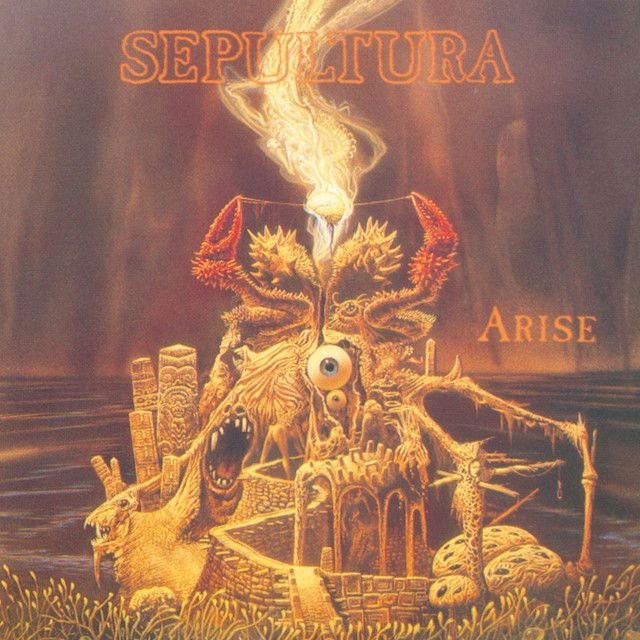
Released in 1991 on Arise, the track became one of Sepultura’s defining songs. According to Songfacts, Max Cavalera said the lyrics were about present and future generations being born in a dead world ruined by their ancestors. That comment is the clearest guide to the song’s core message, and it fits nearly every image in the lyric.
A Born-Broken World
At the center of the song is a sense of forced existence. The opening idea, summed up by I didn't ask to be born
, frames life as something handed down without consent. They are not rejecting life itself as much as they are condemning the conditions people inherit.
That matters because the verses quickly widen from personal pain to social decay. The song moves from loneliness and sorrow to science, war, and mass violence. In plain terms, Sepultura suggest that suffering is not random. It is built into the world by human choices.
Interpretation: the title points to more than biology. “Embryonic cells” suggests life at its earliest stage, but calling them “dead” implies a future destroyed before it can grow. The image works as a metaphor for children, societies, and even human hope.

Watch the official Dead Embryonic Cells
music video
How the Verses Build the Song’s Anger
The first major target is a diseased society. When the lyric mentions Laboratory sickness
, they connect modern systems and scientific power to moral corruption. The next phrase, Die by technology
, pushes that critique even further.
This is not a simple anti-science statement. The song sounds more like a warning about technology without wisdom. In other words, human progress can still produce death if it is guided by greed, war, or indifference.
Then the lyrics turn toward public chaos. References to tribal violence, racial conflict, and terrorism paint a world in constant breakdown. The line World without intelligence
is especially sharp because it does not just insult people. It suggests a collapse of judgment, empathy, and collective responsibility.
The Chorus Turns Pain Into a Human Condition
The chorus is short, blunt, and unforgettable. Its repeated idea, built around We're born with pain
, turns the song from social criticism into something larger. They imply that suffering is now part of the human starting point.
That is why the refrain hits so hard. It does not describe pain as an event that comes later. It says pain is there from the beginning, almost like a birthmark left by history.
We're born
With pain
No more
We're dead
Even in this small passage, the structure feels stripped down and final. The words come off like a sentence being passed. Life begins, suffering arrives, and death shadows the whole cycle.
Why the Sound Matters as Much as the Words
Part of the meaning of Dead Embryonic Cells Sepultura comes from the arrangement. Songfacts quotes Max Cavalera saying the song starts “slow and menacing” and has more changes than “Inner Self.” That is easy to hear in the track’s shape.
The opening feels tense and crawling, as if the song is dragging itself into a hostile landscape. Then the riffs accelerate into thrash momentum, while the rhythm section keeps everything feeling unstable and physical. That instability mirrors the lyric’s world of collapse.
There is also a notable contrast in Andreas Kisser’s guitar work. Max highlighted his “psychedelic” lead passage, and that detail matters because it briefly opens the song into a warped, almost hallucinatory space. Rather than offering relief, it sounds like disorientation.
Factually, the song was released as a 1991 single from Arise, recorded at Morrisound in Tampa and produced by Scott Burns with Sepultura. Those details, widely documented in reference sources, help explain the song’s dense, cutting metal sound: it sits right at the point where the band fused thrash precision with death metal weight.
Sepultura’s Bigger Message on Arise
This song fits a broader pattern in Sepultura’s early-1990s work. They were moving beyond shock value and writing about systems of violence, mental pressure, and social ruin. On Arise, that focus became sharper and more global.
That wider frame is important. The song is not just angry at one government or one event. It presents decay as worldwide. The repeated images of corrosion, emptiness, and a condemned future make humanity sound trapped in a crisis of its own making.
Interpretation: listeners can hear the song as environmental, political, technological, or spiritual. The strongest reading is that it blends all four. Sepultura seem to argue that a poisoned culture creates poisoned futures.
Why It Still Connects Today
More than three decades later, the song still feels current because its fears have not disappeared. People still debate how technology harms society, how violence spreads, and what kind of world younger generations inherit. The lyrics remain broad enough to fit new crises.
That lasting power also comes from the band’s delivery. They do not sound detached or academic. They sound alarmed. That makes the message easier to feel, even before every line is fully parsed.
Final Reading of the Song
In the end, the meaning of Dead Embryonic Cells Sepultura is a warning: humanity has created conditions that damage life before it even begins. The song’s horror lies in that idea of inherited ruin. They are not only describing death, but a future poisoned in advance.
That reading is informed by Max Cavalera’s own explanation, but any song can hold more than one meaning for listeners. Interpretation disclaimer: this article offers a grounded reading based on the lyrics, the band’s comments, and the song’s musical context, but individual listeners may hear it differently.







