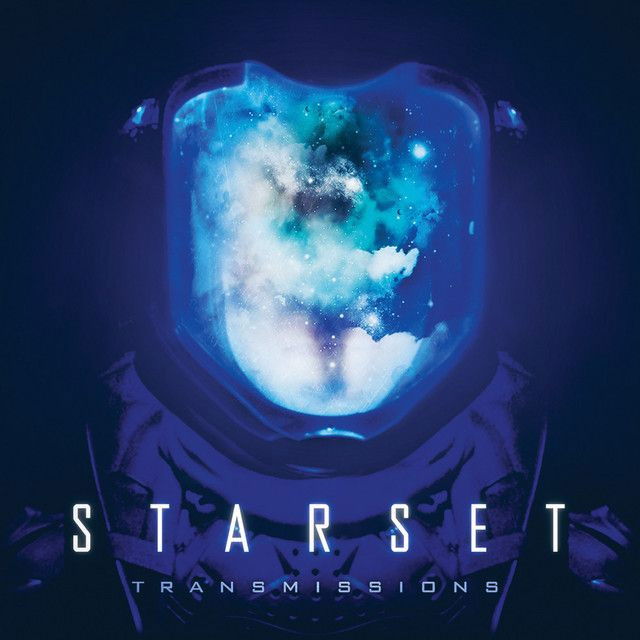
The Meaning of 'Carnivore' by Starset: Devoured by Doubt
Starset’s “Carnivore” turns self-doubt into a sci‑fi monster. The narrator faces a force that wants to eat away their identity. If you’re searching for the meaning of Carnivore Starset, it’s a story about pressure, surrender, and the urge to fight back.
"Carnivore" - Starset
How far I would not go
But inside the beast still grows
Loading lyrics...
Unable to load lyrics
We're unable to display the lyrics at this time. Please try again later.
The Predator Within: Naming the “Carnivore”
At its core, the song treats identity like prey. Early lines describe pressure building inside—the beast still grows
—and a desperate fight, like chewing through the ropes
. They frame the “carnivore” as anything that devours who they are: an inner critic, a hostile crowd, or a system that punishes difference.
Interpretation: The carnivore is a metaphor for dehumanizing forces. It feeds on fear and conformity. The more the narrator hides, the hungrier it becomes.

Watch the official Carnivore
music video
Voice and Target: A Duel With Gatekeepers—and the Self
The taunting line Who are you to change this world?
sounds like an outside voice. It could be industry gatekeepers, bullies, or online skeptics. But it also reads like internalized doubt talking back—learned from years of being told to shrink.
That duality is the point. The song flips between accusation and plea, showing how external pressure becomes a voice inside your head. The enemy sits across the table and in the mirror.
What Actually Happens: A Quick Timeline of the Struggle
- They grow up under limits and ridicule; the “beast” of defiance builds.
- They try to comply—
I’ll be what you wanted
—but hiding only increases the burn. - A demand arrives: submit or be silenced. The chorus begs the carnivore to end it.
- The final refrains repeat the request, but the tone hardens, suggesting a break from that cycle.
Interpretation: The narrator touches bottom by asking to be erased, then finds a spark of control in the act of naming the predator.
The Hook’s Knife-Edge: Surrender or Reset?
The plea Take away everything I am
sounds like total surrender. But it can also be a paradoxical reset: destroy the false self they built to please others. In that reading, the chorus becomes a brutal detox. They’re willing to lose what’s inauthentic to recover what’s real.
The repetition intensifies the conflict. Each return to the hook raises the stakes: do they let the world define them, or risk being alone to stay intact?
Symbols and Motifs: Beast, Ropes, and Fire
- Beast: The animal inside is both threat and lifeline. It warns them they’re alive beneath the mask.
- Ropes: Constraints of expectation. The image of gnawing free captures messy survival.
- Fire: When they “burn beyond control,” it’s the cost of repression—and the energy of rebirth.
- Hunger/Digestion: To be “digested” is to be processed into sameness. The song resists becoming product.
Together, these images map a journey from containment to combustion.
Cinematic Muscle: How Production Sells the Stakes
“Carnivore” bears Starset’s signature blend: downtuned guitars, driving drums, synth textures, and orchestral swells. The verses stay tense and measured, then the chorus detonates. That quiet‑loud swing mirrors a panic cycle—control, surge, crash.
Rob Graves’s production emphasizes space and punch. Vocals sit upfront, almost pleading, while pads and strings widen the battlefield behind them. Distorted guitars cut like teeth. Electronic pulses feel like a heart under stress. It’s not just heavy; it’s widescreen, built to match the song’s sci‑fi metaphor with blockbuster scale.
Why It Resonates Now
The pressure to brand yourself—online, at work, even in school—makes the carnivore feel current. Many readers know the grind of being told to “be more like X.” The song honors that pain without promising easy relief. It admits the lure of surrender and still pushes toward self-authorship.
Alternate Readings That Bite Back
- Industry critique: The carnivore represents a hit-making machine that strips artists of identity. The narrator nearly gives in, then refuses to be processed.
- Mental health lens: The predator is anxiety or depression, whispering that they’re
never enough
. Naming it is step one toward help. - Toxic relationship: A partner or group demands total control. The plea for erasure exposes how abuse rewrites the self.
Interpretation: Each view fits the imagery because the core conflict—identity under threat—holds across contexts.
Takeaway: Starving the Beast
“Carnivore” is a warning and a vow. It shows how easy it is to trade selfhood for acceptance—and how costly that trade becomes. By the end, the monster has a name, and that makes it easier to fight.
Disclaimer: Song meanings are interpretive and may differ from the artist’s stated intent.