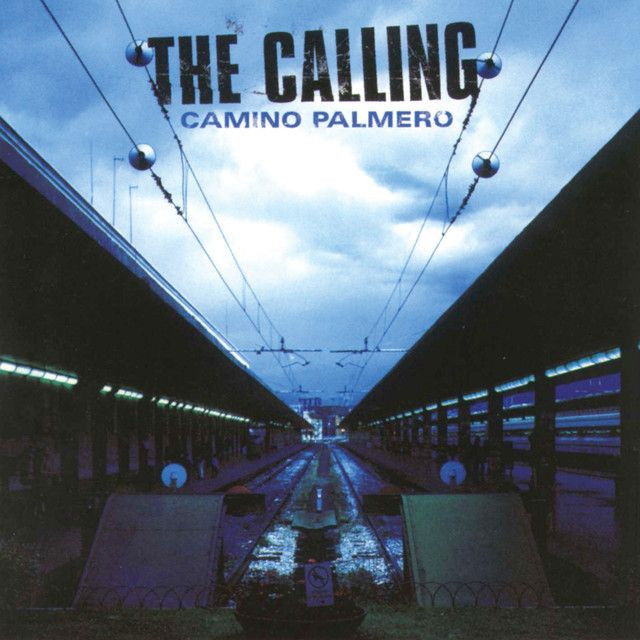
Why 'Lost' by The Calling Feels So Unsteady
The meaning of Lost The Calling comes down to a painful mix of heartbreak and identity crisis. The song does not describe a neat breakup story with clear reasons. Instead, it lives inside confusion. Its speaker feels cut off from themselves, unable to think clearly, and terrified that distance is growing where closeness used to be.
"Lost" - The Calling
If I could only have it all
That I´ll be alright
Loading lyrics...
Unable to load lyrics
We're unable to display the lyrics at this time. Please try again later.
That emotional fog is what gives the song its force. Rather than sounding angry, it sounds overwhelmed. They frame the pain as both personal and relational: if someone cannot see who they are anymore, it becomes harder to hold onto love, hope, or direction.
A Song About Losing More Than a Person
At the center of the lyric is a speaker who feels emotionally stranded. Early lines describe being alone and wanting everything to somehow return to normal. But that wish quickly runs into a deeper problem: they cannot recognize themselves. When the song says they cannot see who they really are, it suggests that the crisis is not only about romance. It is about identity.
That is why the repeated feeling of being feeling lost
hits harder than a simple breakup complaint. The song presents loss as a total state of being. They are not just missing someone; they are missing their footing.
Interpretation: The relationship may have exposed insecurities that were already there. The other person matters, but the song implies that the speaker’s deeper fear is becoming unmoored from their own sense of self.

Watch the official Lost
music video
The Chorus Turns Confusion Into Questions
The chorus is built around questions, not answers. Phrases like losing sleep
and losing you
show that emotional pain is affecting both mind and body. They cannot rest, and they cannot stop the relationship from slipping away.
That structure matters. Questions make the song sound trapped in the present tense. Instead of saying what happened, the speaker keeps asking why it is happening. This gives the chorus a circular feeling, as though anxiety is replaying the same worries over and over.
Why am I losing sleep?
Why am I losing you?
Those two short lines carry the whole song’s emotional logic. Sleeplessness points to private mental struggle. Losing someone points to outward collapse. Together, they show inner chaos spilling into real life.
The Images of Pressure, Falling, and Fog
The song uses simple but effective images. A dark cloud
hanging overhead suggests depression, dread, or a mood that will not lift. The idea of thoughts spinning makes the speaker sound mentally stuck. They are not moving forward; they are circling.
Then there is the repeated sense of descent. The line about hitting the ground creates the feeling of a fall already in progress. Later, the song says distance grows while the speaker is sinking. That pairing is important: emotional separation is not static here. It feels active, like gravity.
Interpretation: Falling in this song may represent the moment when denial ends. They are approaching the point where they must face what has been damaged, whether that is the relationship, their self-image, or both.
The dreamlike language also adds to the instability. If pain feels just like a dream
, that does not make it less real. It means the experience feels unreal, blurry, and hard to control.
How the Narrative Moves
Even without many details, the song follows a clear emotional arc:
- The speaker begins alone and unsettled.
- They admit they cannot fully see themselves.
- The chorus turns that confusion into panic about losing someone.
- The second verse deepens the mood with clouded thinking and regret.
- The ending accepts that something has slipped out of reach.
That last stage is especially bleak. When the song says what is lost cannot be found, it shifts from anxiety to resignation. Earlier, the speaker still sounds like they are searching. By the end, they sound defeated.
Why The Calling’s Sound Fits the Lyric
The Calling formed in Los Angeles in 1996, led by Alex Band and Aaron Kamin, and became widely known through melodic, emotional rock songs like "Wherever You Will Go," according to general band histories and reference overviews. Their style is usually described as alternative rock, pop rock, and post-grunge, which helps explain why a song like "Lost" leans so hard on big feeling rather than sharp storytelling.
That matters for interpretation. In The Calling’s music, the arrangement often carries emotion as much as the words do. A song like this works best with swelling guitars, a steady rock pulse, and a vocal delivery that sounds strained but controlled. Even if the lyric is simple, the likely production approach gives the uncertainty weight. The music would not just describe distress; it would widen it.
Interpretation: Calling this song “punk” misses some of the emotional texture in the writing. It reads more naturally as a melodic rock ballad or post-grunge confession, where earnestness is the point.
The Deeper Meaning of Lost The Calling
The strongest reading is that the song is about the moment when romantic loss and self-loss become impossible to separate. The speaker is haunted not only by absence, but by their own inability to think clearly, act decisively, or understand what went wrong.
That is why the lyric feels relatable. Many songs about heartbreak focus on blame. This one focuses on disorientation. It captures the stage where people are too hurt to explain the situation cleanly. They only know that sleep is gone, distance is growing, and nothing is falling into place.
In that sense, the meaning of Lost The Calling is not hidden. It is emotionally direct. The song says that losing another person can trigger a deeper fear: the fear of losing oneself at the same time.
Final Take
What makes "Lost" resonate is its honesty about confusion. It does not pretend pain arrives with clarity. It shows how sadness, regret, and self-doubt can blur together until everything feels unstable.
That is this article’s interpretation of the song based on the lyrics provided, the band’s known style, and the emotional patterns in the writing. Other listeners may hear different shades of meaning.







