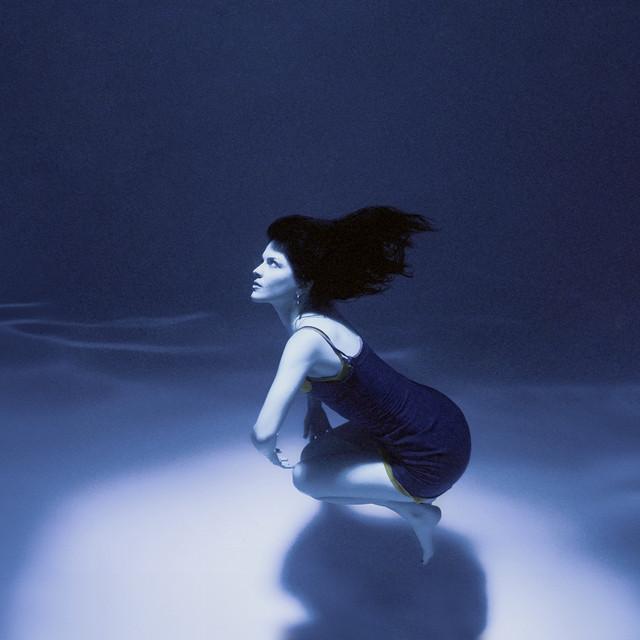
Lejos de Ti by The Marías
A song about distance should feel cold. Here, it does—but it also glows. The meaning of Lejos de Ti The Marías lives in that tension: choosing to remember love even when it hurts. Written by María Zardoya and Josh Conway, the Spanish-language single arrived ahead of their album Submarine and quickly stood out as a soft, aching centerpiece.
"Lejos de Ti" - The Marías
Siempre me acuerdo de ti
Miles de canciones
Loading lyrics...
Unable to load lyrics
We're unable to display the lyrics at this time. Please try again later.
Distance That Refuses to Disappear
The song frames separation as a loop of memory. The narrator keeps returning to the same thought: Siempre me acuerdo de ti
. Instead of trying to erase the past, they honor it. In press comments around release, the band emphasized that the song is about longing and loss, but also about being okay with remembering. That intent fits the track’s gentle tone—sad, but not bitter.
The Voice: A Lover Who Remembers
They speak directly to someone they loved, asking not to be erased. The plea—No te olvides de mí
—is simple and human. It’s not a demand to return; it’s a wish to still matter. The second-person “you” remains vivid through details like Tus ojos tan tristes
, which puts a face to the ache. This intimacy keeps the song from feeling abstract.
A Simple Timeline of Heartbreak
- The setting opens in winter-like stillness, as images of cold and night set the mood.
- Memories surge: songs, eyes, and shared moments, all tied to the same person.
- The chorus asks,
¿Por qué estoy lejos de ti?
, circling the core question instead of solving it. - In the bridge, the narrator admits collapse—
Entre tus manos me estoy muriendo
—then names a classic heartbreak anthem as the soundtrack of their grief. - Finally, the refrain returns, steady and unresolved, because real separation rarely offers neat answers.
The Chorus as a Question—and a Cause
The hook can be heard in two ways: as “why am I far from you?” or, depending on phrasing, as “because I’m far from you.” That double reading mirrors post-breakup thinking. Sometimes distance is a mystery; other times, it explains every feeling. Interpretation: this ambiguity is the point. The chorus is both a question and the reason the narrator can’t stop remembering.
Images That Keep the Memory Warm
The text uses touch and place to anchor emotion. Dormía en tu pecho
turns comfort into geography—a body as a home now lost. References to cold and night translate emotional absence into climate. The hands and chest imagery suggests closeness that can’t be replicated, which is why the memories persist.
The mention of singing “No Me Queda Más” nods to Selena’s 1994 classic, placing the song in a long line of Latin ballads where grief carries dignity. Interpretation: by invoking that standard, The Marías align this story with an older, communal language of heartbreak.
Sound, Video, and Context That Shape the Feeling
Musically, it’s restrained: soft percussion, a slow pulse, reverb-kissed guitar, and warm bass cradle Zardoya’s whispery lead. The production keeps peaks low, as if big gestures would break the spell. That quiet makes each repeated line feel heavier.
The video, directed by Zardoya with Carlos Creazzola and shot in Lake Tahoe after a snowstorm, matches the lyric’s frozen distance. Zardoya appears in pale, vintage looks against a stark landscape, emphasizing solitude. According to the band, this was the last song written for Submarine, which tracks—the composition feels distilled, like they knew exactly what the album needed: a thesis on remembering.
Other Ways to Hear It
Interpretation: The song can also read as grief for a loved one beyond romance. The plea not to forget, the winter setting, and the quiet delivery support that frame. Another angle sees it as a self-address—asking the future self not to erase the past. In both readings, the refrain remains the anchor that holds memory in place.
Takeaway: Holding On Without Holding Back
The meaning of Lejos de Ti The Marías isn’t “move on at all costs.” It’s the opposite. The song suggests we can be okay with what we carry, even if it stings. By choosing softness over spectacle, The Marías capture the hardest part of distance: remembering on purpose.
Disclaimer: Song meanings are subjective. This analysis blends reported context with interpretation based on the recording, lyrics, and public materials.






