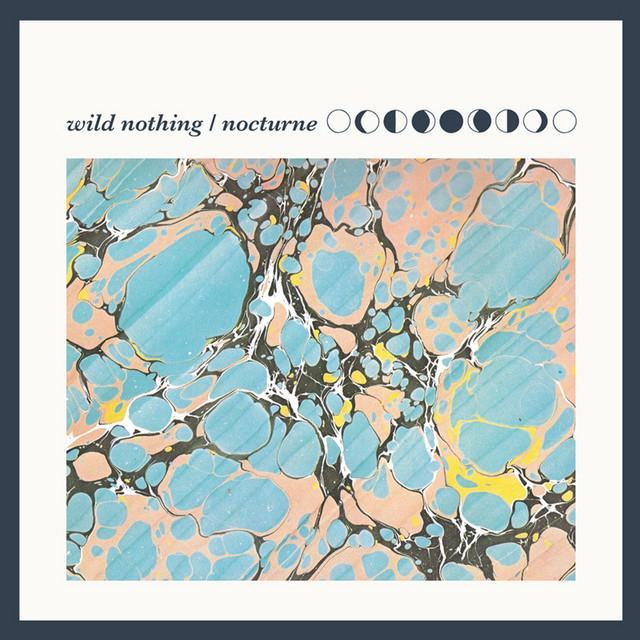
Shadow by Wild Nothing
The meaning of Shadow Wild Nothing centers on a painful kind of closeness: wanting someone, feeling shaped by them, and still knowing the bond may never fully become real. Wild Nothing, the project of Jack Tatum, often works in soft-focus emotion, and this song fits that style. It turns longing into something dim, elegant, and a little ghostly.
"Shadow" - Wild Nothing
Well I wonder where you've been
I don't see you often
Loading lyrics...
Unable to load lyrics
We're unable to display the lyrics at this time. Please try again later.
A Dream-Pop Portrait of Half-Presence
Factually, Wild Nothing is the indie dream-pop project created by Jack Tatum, and the song is credited here to John Alexander Tatum. The project became known for airy guitars, soft vocals, and a hazy emotional mood that critics often link to dream pop and indie pop. That context matters because “Shadow” does not present heartbreak in a loud or dramatic way. It lets the feeling drift.
From the start, the narrator seems pulled toward someone whose negativity and distance still have power. The opening idea describes hate as strangely compelling, then quickly shifts into absence and wondering where the other person has been. That movement sets the emotional frame: attraction mixed with alienation.

Watch the official Shadow
music video
What the Song Is Really About
At the simplest level, the song appears to be about trying to connect with someone who feels emotionally unreachable. The speaker wants to feel more, wants to matter, and wants a real exchange. But what they can actually give is limited, faint, and insubstantial.
That is why the title image matters so much. When they say give my shadow to you
, they are not offering a full self. They are offering a trace, an outline, maybe the leftover form of a feeling they cannot fully express.
Interpretation: This can suggest emotional exhaustion. The narrator is still attached, but only in a diminished way. They may be protecting themselves, or they may simply have nothing stronger left to give.
The Relationship Feels Close and Far at Once
A key tension in the lyrics is that the other person still has a hold on the narrator, even though the bond seems weak. The line about your hate so addicting
captures that contradiction. The relationship may be toxic, cold, or at least emotionally unhealthy, yet the speaker cannot look away.
Later, the song asks if the other person sees them at night and whether that attention brings any pleasure. This suggests a longing not just to be loved, but to be noticed at all. Even a small sign of recognition would matter.
Who Are They Speaking To?
The “you” in the song seems like a specific person, likely a past or unstable romantic connection. Still, the writing leaves room for ambiguity. It could also represent an idealized figure, someone the narrator can imagine but not truly reach.
Interpretation: Because the song is so sparse, the “you” may function as both a real person and a symbol of unavailable love.
Why Night, Darkness, and Shadows Matter
The imagery is simple but effective. The song mentions night, darkness, and being unable to get very far together. Those details create a world where things are felt more than clearly seen.
When the lyric describes two strangers in the dark
, it undercuts any fantasy of romance. Even if they move together, they remain unknown to each other. Physical or emotional proximity does not solve the deeper problem.
This is the song’s most important insight: desire does not automatically create understanding. Two people can be strongly linked and still remain separate.
A Short Narrative of Longing
The song unfolds in a small but clear emotional sequence:
- The narrator admits a troubled attraction.
- They confess they struggle to feel enough.
- They offer only a “shadow,” not full intimacy.
- They imagine being seen at night.
- They admit that even if invited closer, the relationship would stall.
That final thought is especially sad. In the line I'd go with you
, there is willingness and openness. But it is immediately limited by the sense that we wouldn't get too far
. Hope appears, then fades.
How the Sound Carries the Meaning
The production style is essential to the meaning of Shadow Wild Nothing. The song’s likely dream-pop traits—soft guitar shimmer, blurred edges, restrained drumming, and floating vocals—mirror the lyrics’ emotional uncertainty. Instead of sharp conflict, the arrangement creates distance.
That matters because the narrator is not speaking from a place of clarity. They sound suspended between wanting and withdrawing. A cleaner, harder sound might make the song feel confrontational. This hazy texture makes it feel unresolved, which suits the subject.
Why the Vocal Style Matters
Wild Nothing songs often place vocals deep inside the atmosphere rather than pushing them aggressively forward. In a song like this, that kind of mix can make the voice feel private, as if the thoughts are half-confession and half-memory.
Interpretation: The softness of the delivery turns the song into an emotional afterimage, much like the title itself.
Alternate Readings Worth Considering
There is more than one plausible reading here:
- Romantic reading: The song is about an unequal relationship where one person stays emotionally unavailable.
- Psychological reading: The “shadow” could be the narrator’s own detached self, suggesting numbness or depression.
- Memory reading: The song may be less about an active relationship than about the lingering hold of someone already gone.
Each reading fits because the song never over-explains. Its power comes from suggestion.
Why “Shadow” Still Connects
What makes the song memorable is its honesty about partial connection. Many songs promise total intimacy. This one admits that sometimes people can only offer fragments—attention, memory, projection, or a shadow.
That is why the song lingers. It understands the ache of wanting to move closer while already sensing the distance cannot be erased.
Disclaimer: This interpretation is based on the lyrics, available artist context, and the song’s sound. As with most poetic songs, listeners may hear meanings that differ from this reading.







