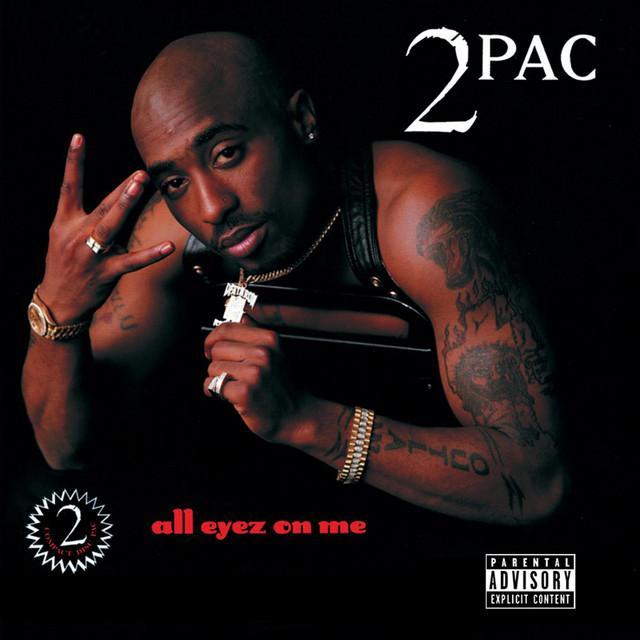
Why "Heartz Of Men" Feels Like 2Pac at War
The meaning of Heartz Of Men 2Pac starts with distrust. On the surface, the song sounds like a threat-filled ride through conflict, status, and survival. Under that surface, it is really about how fame, street politics, and betrayal can harden a person until they expect danger everywhere.
"Heartz Of Men" - 2Pac
When I come out of jail what was I gonna do
I was gonna start diggin' into these niggas chest, right?
Loading lyrics...
Unable to load lyrics
We're unable to display the lyrics at this time. Please try again later.
Released on The Don Killuminati: The 7 Day Theory in 1996, the song sits inside 2Pac's darker Makaveli era, a period often described as more aggressive, suspicious, and apocalyptic than earlier work. That album was issued shortly after his death through Interscope and is widely tied to the final creative burst around the Makaveli persona, as noted by the Rock & Roll Hall of Fame.
The Core Idea Hiding Beneath the Threats
At its heart, this song asks a hard question: what do people really carry inside them? The repeated title phrase points to inner character, not romance or tenderness. When 2Pac says heartz of men
, they are not praising human nature. They are challenging it.
Interpretation: The song argues that many people are ruled by fear, greed, and disloyalty. That is why the intro spends so much time sorting real allies from fake ones. In plain terms, the track says enemies can pretend to be friends, and supposed friends can turn into informants or opportunists.
That makes the song less about random violence and more about moral rot. The threats matter, but they also serve as a reaction to a world where trust feels impossible.
Watch the official Heartz Of Men
music video
The Voice Behind the Record
Makaveli as armor
The song's narrator presents themself as larger than life, almost untouchable. Phrases like I'm legendary
and Mr. Makaveli
build that image. They are not casual boasts. They create a mask of power against fear.
This matters because the verses keep exposing vulnerability even while sounding tough. He talks like a fighter, but they also hear someone trying to stay ahead of betrayal. That mix of swagger and panic is central to the meaning of Heartz Of Men 2Pac.
Survival after pressure
2Pac recorded much of the Makaveli material after prison and during the heated East Coast-West Coast rap feud, a conflict covered by outlets like Britannica. In that context, the song's obsession with plots, enemies, and retaliation feels grounded in real pressure, even if the lyrics heighten it into myth.
How the Verses Build the Theme
The first verse turns reputation into a weapon. He frames themself as feared, tested, and impossible to erase. Even when they mention death or being silenced, the idea is that their voice keeps coming back. That is why lines about living on and starting again feel so important.
The second verse goes deeper into isolation. When they say don't have no friends
, the point is not just loneliness. It is a total collapse of trust. If the first verse is about public enemies, the second is about private ones.
No heart for the fightin'
Whichever one was winning
that's my side
That brief spoken section is key. It mocks people who only join the winning team. In other words, the song sees cowardice as flexible loyalty. People switch sides not because they believe in anything, but because they fear losing.
The final verse links money, destiny, and violence. He imagines success and danger as inseparable. In this world, ambition always pulls armed suspicion behind it.
Why the Hook Matters So Much
The hook is simple, but it changes the whole record. By repeating heartz of men
, the song keeps returning from action to diagnosis. The real target is not one rival. It is the weakness and falseness inside people.
Interpretation: That is why the title uses "heartz" rather than the standard spelling. It feels stylized and emotional at once, like an attempt to talk about human nature in street terms. The song is asking what kind of heart survives in a brutal system: loyal, scared, fake, or ruthless.
Production: How the Beat Sounds Like Suspicion
The production helps carry that meaning. The track is credited to DJ Quik, and its sound is thick, low, and tense, with a rolling groove that feels like motion at night. The writer credits also include George Clinton, Bootsy Collins, Bernie Worrell, and Prince, signaling the song's layered funk roots from sampled material.
That funk base matters. Instead of a bright party feel, the groove here sounds heavy and predatory. The bassline stalks more than bounces. The drums give the track a cruising momentum, matching the intro's sense of a long, dangerous ride.
2Pac's performance adds even more meaning. They alternate between sharp attack and exhausted conviction. He does not sound relaxed. They sound like someone forcing certainty because uncertainty would be fatal.
A Clear Reading of the Song's Message
For most listeners, the meaning of Heartz Of Men 2Pac comes down to three connected ideas:
- Power attracts betrayal.
- Fear makes people fake.
- A hardened persona can be both protection and prison.
That third point is what gives the track its lasting force. The song admires strength, but it also shows the cost of living in constant defense. 2Pac turns paranoia into performance, then lets listeners hear the damage under it.
Why the Song Still Connects
The song still lands because its central fear is universal. Many people know what it feels like to wonder who is sincere, who is using them, and who will stay loyal when things go bad. 2Pac pushes that fear to an extreme, but the emotional core remains easy to recognize.
That is also why the song belongs in the Makaveli legacy. It captures an artist making themselves sound immortal while also sounding cornered. That tension is what gives the record its charge.
Final takeaway
In the end, "Heartz Of Men" is less about action than psychology. It studies distrust, survival, and the damage caused by a world where loyalty feels rare.
Disclaimer: This interpretation is based on the lyrics, historical context, and recorded performance. Song meaning can remain open, and different listeners may hear different emphases in the track.








