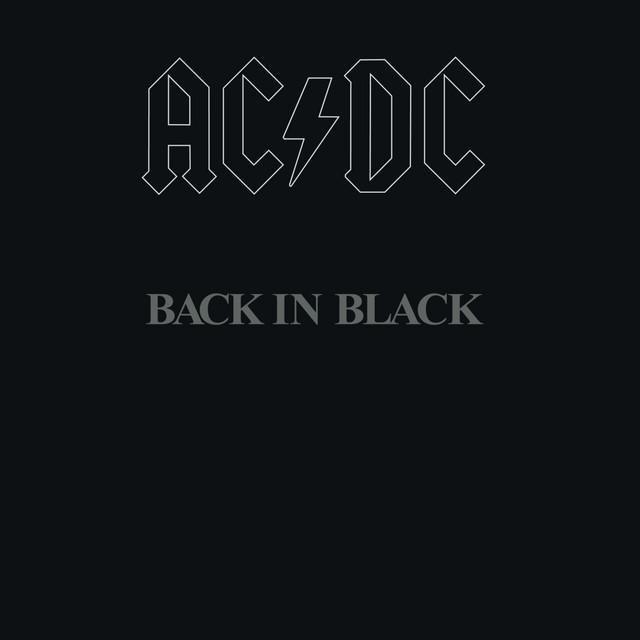
The Meaning of Back in Black—AC/DC’s Victory in Mourning
Back in Black didn’t just restart AC/DC; it reframed loss as power. Understanding the meaning of Back In Black AC/DC helps explain how a band grieving a singer found a new voice that sounded bulletproof.
"Back In Black" - AC/DC
I hit the sack
I've been too long, I'm glad to be back
Loading lyrics...
Unable to load lyrics
We're unable to display the lyrics at this time. Please try again later.
A tribute that refuses to bow
After Bon Scott’s sudden death in February 1980, AC/DC hired Brian Johnson and recorded Back in Black with producer Robert John “Mutt” Lange in the Bahamas. The title track was conceived as a celebration of Scott’s spirit, not a funeral dirge. Johnson has recalled being told to make it a tribute without being morbid, which shaped the lyric’s swaggering tone.
In this light, the phrase Back in black
does double duty. Black signals mourning, but “back” declares survival. The song announces that AC/DC will honor Scott by going louder, leaner, and tougher.

Watch the official Back In Black
music video
Who’s talking, and how they talk
The narrator speaks in first person with a fighter’s grin. He’s addressing anyone ready to doubt the band’s future. When he says Back on the track
, the point is simple: momentum restored. Phrases such as Number one with a bullet
turn grief into bravado—fame as ammunition, not a reason to hide.
Even the death-adjacent imagery is flipped. I never die
doesn’t deny mortality; it claims legacy. The voice is larger than one person, which makes the song feel like the band itself talking.
What actually happens in the lyric
Here’s the quick timeline embedded in the verses:
- A return after downtime: the narrator has been away and hits the road again.
- The noose/hearse imagery appears, but he rejects doom and leans into life.
- Success is embraced with speed and danger—Cadillacs, “power pack,” and outlaw swagger.
- He issues a warning: get out of the way, the machine is rolling.
Each beat pairs a dark symbol with a victorious pose, reinforcing the tribute‑as‑triumph idea.
The hook as a vow you can chant
The chorus is a stripped‑down oath, built for fists‑in‑the‑air unity:
’Cause I’m back
Yes, I’m back
Well, I’m back in black
Interpretation: the repetition works like a rally cry after loss. It’s not poetic flourish; it’s muscle memory—easy to shout in a club or a stadium, making grief communal and forward‑moving.
Symbols that turn grief into grit
- Black: culturally tied to mourning, but also to rock’s uniform. AC/DC converts it into armor—sleek, unfussy, indestructible.
- Nine lives/cat’s eyes: the band’s resilience in a cartoonishly bold image.
Nine lives
suggests they’ll outlast every blow. - Hearse/“never die”: flirting with death imagery to claim immortality through music, not biology.
- Bullets and tracks: speed, danger, and professional focus. The career keeps firing and moving, no matter the headwinds.
These motifs clarify the meaning of Back In Black AC/DC: remembrance without retreat.
How the sound makes the message inevitable
The track opens with one of rock’s most recognizable riffs—three chords, massive space, and a call‑and‑response feel between guitars and drums. That empty space is crucial; it lets each hit land like a punch. Phil Rudd’s straight, unflappable groove feels like heavy machinery, and Cliff Williams locks the low end in place.
Mutt Lange’s production sharpens edges without clutter. Guitars are dry and upfront; vocals are stacked for punch; the mix leaves air between parts so the riff can breathe. Johnson’s rasp sits high, cutting through with clarity. Everything about the arrangement says: unstoppable, no frills, forward.
Context, facts, and reception that add weight
Recorded in spring 1980 at Compass Point Studios and released as a single in December 1980 in the U.S., Back in Black quickly became a signature AC/DC anthem. It reached No. 37 on the Billboard Hot 100 and has since been repeatedly cited among the greatest hard rock songs, largely for that monumental riff and its no‑nonsense construction.
Those facts matter to the interpretation: the world didn’t just accept AC/DC’s return—it celebrated it. The song’s success confirms that the tribute‑through‑power idea connected far beyond the band’s core fans.
Alternate readings—and what the band intended
Interpretation: some listeners hear a financial pun—being “in the black” as profitable. Given the swagger about success and momentum, it’s a reasonable secondary layer. But the band’s own framing points first to Bon Scott’s memory and a refusal to sink into grief.
Another fan theory suggests earlier lyrical ideas may have existed before Scott’s death. Official credits list Brian Johnson with Angus and Malcolm Young, and Johnson has publicly explained the celebratory brief he was given. Whatever pre‑existing seeds there were, the finished lyric reads like a manifesto for the new era.
Final takeaway
Back in Black channels sorrow into resolve. The images of death become symbols of life lived louder. By the time the chorus hits, the meaning of Back In Black AC/DC is unmistakable: they’re back to do the job, harder than before, and the black they wear is both mourning cloth and battle gear.
Disclaimer: Song meanings are interpretive and may differ from the artists’ own views or from listeners’ personal experiences.









