What 'I Hate Children' Is Really Saying
The meaning of I Hate Children Adolescents is easy to misunderstand if someone only hears the title or a few shouted lines. On the surface, it sounds like pure provocation. But the song works better as a nasty portrait of cruelty than as a sincere manifesto.
"I Hate Children" - Adolescents
Raise him right so he won't be a mouse - I hate children
I hate it when they make lots of noise - I hate children
Loading lyrics...
Unable to load lyrics
We're unable to display the lyrics at this time. Please try again later.
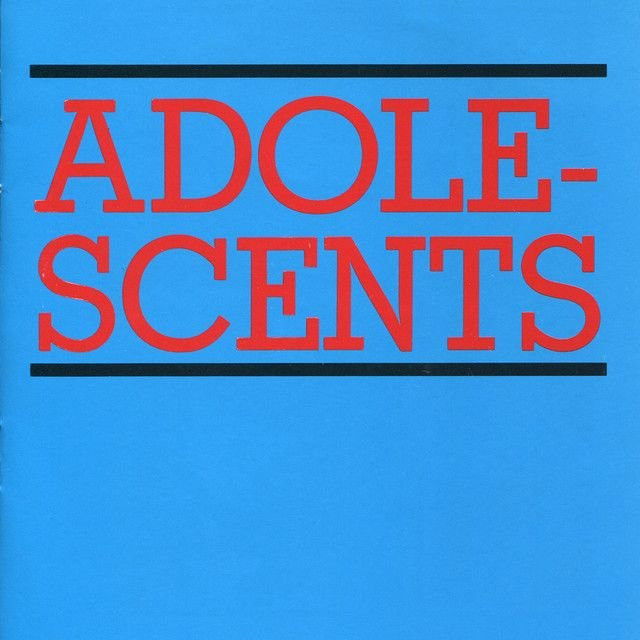
Adolescents came out of Orange County's early hardcore scene, and their self-titled 1981 debut—often called the Blue Album—became one of the best-known California punk records of its time. It was released in April 1981, produced by Mike Patton, and later sold more than 10,000 copies, a big number for U.S. hardcore then. That context matters because punk often used shock, speed, and ugly voices to mirror ugly realities.
A Brutal Character Study, Not a Simple Slogan
Factually, vocalist Tony Brandenburg later explained that the song was a "snapshot" of a man speaking to his wife while children cried nearby. He said people misunderstood it, because he was not simply saying, "this is me"; he was reflecting what he had seen in his own life. That makes the song feel less like a confession and more like a dramatic monologue.
That perspective changes everything. When the narrator keeps repeating I hate children
, the line stops sounding clever or playful. It becomes evidence of a warped home environment where annoyance has turned into dehumanizing language.
Interpretation: the song is really about the damage caused by adults who treat children as burdens instead of people. Its power comes from how bluntly it stages that ugliness.
Watch the official I Hate Children
music video
How the Verses Build a World of Resentment
Each verse piles up petty complaints. The speaker grumbles about noise, toys on the floor, late nights, and crying. On one level, these are ordinary frustrations of caregiving. But the song deliberately pushes them past normal irritation into something disturbing.
Short phrases like make lots of noise
and crying baby's alright
start in familiar territory. Plenty of parents feel tired or overwhelmed. What makes the song chilling is that those everyday stresses are filtered through a narrator with no patience, empathy, or self-control.
That is why the song escalates so fast. Instead of admitting exhaustion, the speaker turns every inconvenience into proof that children deserve contempt. The lyrics do not invite sympathy for him. They expose how resentment can harden into abuse.
Why the Chorus Feels So Ugly on Purpose
The chorus is the song's hardest section to hear because it moves from hatred into open threats. The repeated insult stupid little brat
strips the child of innocence. Then the rhythm becomes almost chant-like, as if violence has become routine speech.
Interpretation: this is likely the point. The chorus is not carefully argued; it is the language of a bully. By making it so simple and repetitive, the band shows how abusive people justify themselves with childish, brutal logic.
There is also a punk trick at work here. Hardcore choruses are designed to hit fast and stick in the head. Adolescents use that form to make the listener sit inside the speaker's cruelty for a moment. The result is discomfort, not release.
When the Song Crosses Into Horror
The final verse is where the song stops sounding like exaggerated complaining and starts sounding openly terrifying. The line called a gun
introduces violent imagery in a casual way, which makes it even colder.
And if you wanna live
you'd better run
Paraphrased, the speaker imagines solving family frustration through absolute violence. That leap is so extreme that it reveals the song's method: expose the ugliest possible end point of unchecked rage.
Listeners should be careful here. Nothing about this article treats those words as admirable or harmless. The song is shocking because it stages abuse in an extreme voice. Interpretation: its purpose seems to be confrontation, forcing people to hear how monstrous that voice becomes when no empathy remains.
How the Sound Carries the Meaning
The recording style matters as much as the words. On the Blue Album, Adolescents blended hardcore speed with memorable hooks and sharp guitar lines. Reviews have often noted the record's catchy but heavy Southern California sound, and that mix helps "I Hate Children" land so hard.
At only 1:44, the track does not linger. It bursts in, spits out its disgust, and ends before the listener can settle. That short runtime mirrors the narrator's mindset: impulsive, reactive, and emotionally stunted.
The vocals are shouted rather than confessional. The guitars push forward with clipped aggression, while the drums keep everything tense and urgent. Instead of softening the lyric, the arrangement traps it inside a pressure cooker.
Artist Context Helps Decode the Shock
Understanding Adolescents also helps explain why the song still stands out. Their debut was recorded quickly in March 1981 and mixed with the directness of early hardcore. They were part of a scene that often turned alienation, boredom, and social breakdown into blunt songs.
But this track is different from a generic anti-authority anthem. Rather than attacking institutions, it zooms into the home and shows authority at its smallest and cruelest level: an adult talking down to a child. That is one reason the song still feels nasty decades later.
So What Is the Song Ultimately About?
The best reading is that the meaning of I Hate Children Adolescents lies in performance and perspective. The song puts on the voice of a bitter, abusive adult and lets that voice condemn itself. Its repetition is not subtle, but subtlety is not the point.
The point is exposure. By the end, the listener has heard ordinary annoyance mutate into contempt, then into fantasy violence. That arc turns the song into a portrait of emotional rot inside family life, delivered with the speed and abrasion of classic hardcore punk.
Final takeaway
They made a song that sounds outrageous because the character inside it is outrageous. Heard with artist context, "I Hate Children" is less about children than about the ugliness of the adult voice speaking at them.
Disclaimer: Song meaning is always part fact, part interpretation. This reading separates documented background from critical inference and does not claim to be the only possible view.








