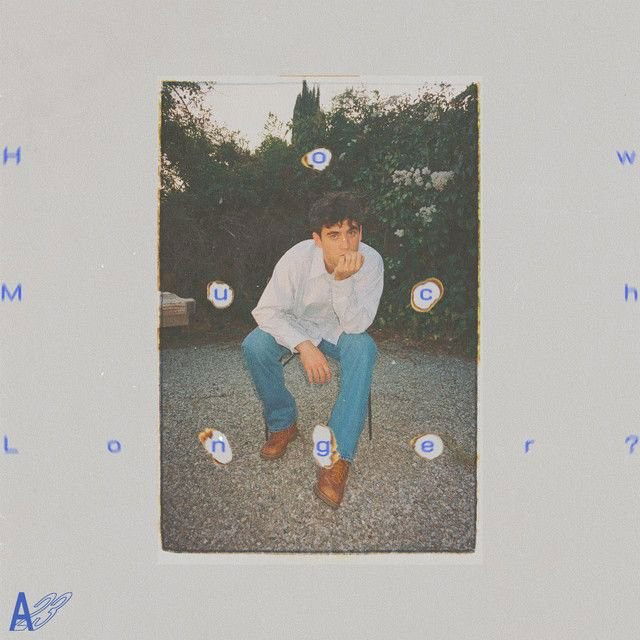
How Much Longer? by Alexander 23
They don’t ask for closure—they wrestle with it. Alexander 23’s heartbreak ballad circles the moment when devotion turns into doubt, and doubt becomes self‑protection. If you’re searching for the meaning of How Much Longer? Alexander 23, this breakdown follows the lyrics’ questions, the song’s soft dynamics, and the way the hook forces a hard truth.
"How Much Longer?" - Alexander 23
Did I scare you away?
When I want it bad
Loading lyrics...
Unable to load lyrics
We're unable to display the lyrics at this time. Please try again later.
A Love Stuck on Pause
At its heart, the song is about unrequited love inside an old relationship. The narrator is still in it emotionally while the other person has checked out. They lead with effort—I try so hard
—but the line lands like a confession. Trying doesn’t fix a mismatch of feelings.
They also carry guilt. Asking Did I scare you away?
turns the breakup inward. It’s not only loss; it’s self-blame. That mixture sets up the main tension: keep waiting for a comeback, or protect their own heart.
Who’s Speaking, and What Broke?
The voice is first-person, speaking to an ex in second-person. A tender, almost childlike vow—pinky promise
—shows a wish to rewind to simpler days. It’s a bargaining chip: they swear they can be the version their partner fell for.
But the next breath admits they don’t know how to get there. The narrator can’t find the route back to love or to their old self. This contrast—bold promise versus lost direction—reveals how breakups scramble identity.
The Turning Point: When Waiting Hurts
The chorus reframes the verses. Up top, they chase answers: Where did the love go? How did they lose it? In the hook, the questions aim at a limit. They’re willing to wait—I would wait until forever
—but only until it starts to break them.
The pivotal line is the question that titles the song. It asks not just about time, but about self-worth. Loving someone who won’t return it becomes a kind of self-harm. The quiet admission—you don’t love me back
—is the first step toward release.
What Happens, Beat by Beat
- Effort and self-sabotage: They want to make it work, yet feel they “get in [their] own way.”
- Bargaining: They promise change, hoping to restart what they had.
- Pleading: They ask where things went wrong and offer to do “anything.”
- Threshold: The hook asks how long they can keep loving alone.
- Realization: Naming the asymmetry lets them consider letting go.
Each step moves from denial to a fragile acceptance without losing tenderness for the other person.
Motifs That Cut Deeper Than They Sound
- Childlike vow:
pinky promise
evokes innocence. It spotlights how love can regress us—reaching for grade-school trust in an adult crisis. - Questions as heartbeat: Repeated queries (
Where’d you go, love?
) mimic rumination. The mind replays the breakup searching for a fix. - Time as pressure: The title question turns time into a test of boundaries. Patience is loving; endless patience can be harmful.
How the Sound Mirrors the Spiral
The production likely stays intimate: soft keys or clean guitar, a restrained beat, and vocals that sit upfront. Verses feel close and confessional, while the chorus widens slightly—more air, maybe gentle harmonies—so the hook lands without bombast.
This restraint matters. A big pop drop would turn the plea into spectacle. Instead, the small-room feel makes every question sound like it’s said across a kitchen table at midnight. Subtle dynamic lift into the hook underlines the shift from hope to clarity.
Why the Hook Hurts So Good
Hooks work because they repeat, but this one also evolves meaning. The first time, it’s a plea that still hopes. By the end, it’s a boundary. The same words now carry self-respect. That turn is the emotional engine of the song and the clearest answer to the meaning of How Much Longer? Alexander 23: it’s about learning the line between devotion and self-loss.
Alternate Lenses, Same Ache
- Interpretation: It could be less about a person and more about chasing an ideal—how we keep loving the memory of a relationship because the memory always loves us back.
- Interpretation: The song could also track self-forgiveness. The “you” is the self they “fell for” long ago. They’re asking how long to wait before accepting who they’ve become.
Both readings keep the core: a kind heart deciding not to break itself further.
What It Leaves Them With
By naming the asymmetry without rage, the song gives listeners a script for gentle endings. It doesn’t punish love for fading. It just refuses to live forever on a one-way street.
Disclaimer: Song meanings are subjective. This analysis reflects one informed reading of the lyrics and sound, not definitive artist intent.








