Why Marvin Sapp’s “The Best in Me” Still Heals
For many listeners, the meaning of The Best in Me Marvin Sapp comes down to one powerful idea: God sees value in people even when others only notice their failures. That message is simple, but Marvin Sapp delivers it with such force that the song feels less like a performance and more like a testimony.
"The Best in Me" - Marvin Sapp
When everyone else around
Could only see the worst in me
Loading lyrics...
Unable to load lyrics
We're unable to display the lyrics at this time. Please try again later.
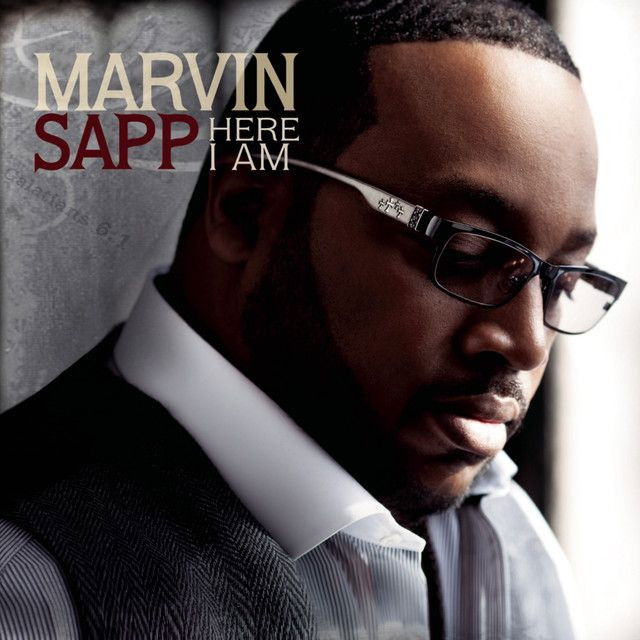
Released as the lead single from Here I Am, the song helped carry one of gospel’s biggest crossover moments. According to Songfacts, Here I Am debuted at No. 2 on the Billboard 200, a historic high for a gospel album at the time. That success matters because it shows how widely this message of grace and self-worth connected.
A Song About Grace, Not Perfection
At its core, the song says that divine love is not earned by being flawless. The central hook, He saw the best in me
, answers the pain of being judged, dismissed, or written off. Sapp contrasts God’s vision with human criticism, especially when others could only see the worst.
That contrast is the heart of the song. People often define someone by mistakes, weakness, or past behavior. The song pushes back by saying God sees possibility, dignity, and a deeper identity that shame cannot erase.
Interpretation: This is why the track hits so hard for listeners who have felt rejected by family, church, or society. It is not only a worship song. It is also a song of emotional rescue.

Watch the official The Best in Me
music video
The Testimony Voice Makes It Personal
Sapp sings from a deeply personal place, but he also turns the song into a shared witness. He asks the room if anyone else knows this feeling, inviting listeners into the message. That call-and-response structure makes the song sound communal rather than private.
One key line is He’s mine, and I am His
. In plain terms, that means the singer is claiming belonging and relationship. The next idea, it doesn’t matter what I did
, does not deny wrongdoing. Instead, it says that failure is not the final word.
He saw the best in me
When everyone else around
Could only see the worst in me
Those lines sum up the song’s emotional conflict: judgment from people, mercy from God. Because the words are so direct, listeners do not have to decode complex imagery. They feel the point immediately.
How the Lyrics Build the Theme
The song grows in stages rather than telling a detailed story. First, it states the core truth. Then it widens that truth by naming common wounds: being overlooked, being told someone will never succeed, being abandoned, and being underestimated.
Later, the repeated question about what God saw becomes the turning point. The answer is always the same: the best
. Repetition matters here. Each return to that phrase feels like correction, as if the song is undoing years of negative labels.
Three ideas the lyrics keep reinforcing
- Human judgment is limited. People often freeze others in their worst moment.
- God’s sight is deeper. The song insists that God sees identity beyond damage.
- Hope can be spoken aloud. Repetition turns belief into assurance.
Interpretation: The lyrics suggest that healing begins when a person accepts a truer view of themselves. In that sense, the song is about spiritual grace and emotional restoration at once.
Why the Sound Makes the Message Stronger
The production by Aaron Lindsey is crucial to the song’s meaning. Lindsey, who co-wrote the song with Sapp, gives it a slow-building gospel arrangement instead of an overcomplicated one. That choice leaves room for the words to land.
The track starts with restraint, then rises through layered keys, backing vocals, and a sermon-like vocal approach. Sapp does not rush. He stretches phrases, repeats them, and leans into raw emphasis. This pacing makes the song feel lived-in, as though they are remembering pain while also pushing through it.
As the arrangement swells, the message shifts from statement to celebration. The choir and audience-like responses help the song move from individual struggle to collective affirmation. That is classic gospel form: private hurt becomes public release.
Marvin Sapp’s Context Matters
The song also lands harder because of who Marvin Sapp is. He is not only a recording artist but also a pastor; Songfacts notes his leadership role in Grand Rapids, Michigan. That background helps explain the song’s structure. It sounds like a sermon wrapped inside a ballad, with Sapp guiding listeners from pain toward assurance.
The timing also mattered. Coming after the success of Thirsty, Here I Am had major expectations. Instead of chasing a flashy crossover sound, Sapp led with a song rooted in gospel testimony. That decision likely helped the record feel authentic to longtime fans while still reaching new ones.
Why So Many People See Themselves in It
Part of the meaning of The Best in Me Marvin Sapp is its openness. The song never locks itself into one kind of struggle. A listener might connect it to sin, grief, family rejection, low self-esteem, or public failure. The details are broad enough to travel, but the emotion is specific enough to feel real.
That is why the song has lasted. It offers comfort without pretending pain is small. It says people may misread a life, but grace can read it differently.
The Lasting Takeaway
In the end, “The Best in Me” is about being seen correctly when the world sees incorrectly. It turns faith into reassurance: a person is more than the worst thing others remember.
Interpretation: The song’s lasting power comes from that mix of theology and emotional truth. It tells listeners they are not finished, not forgotten, and not limited to old verdicts.
Disclaimer: This article offers an interpretation of the song based on its lyrics, performance, and public context. Different listeners may hear its meaning in different ways.








