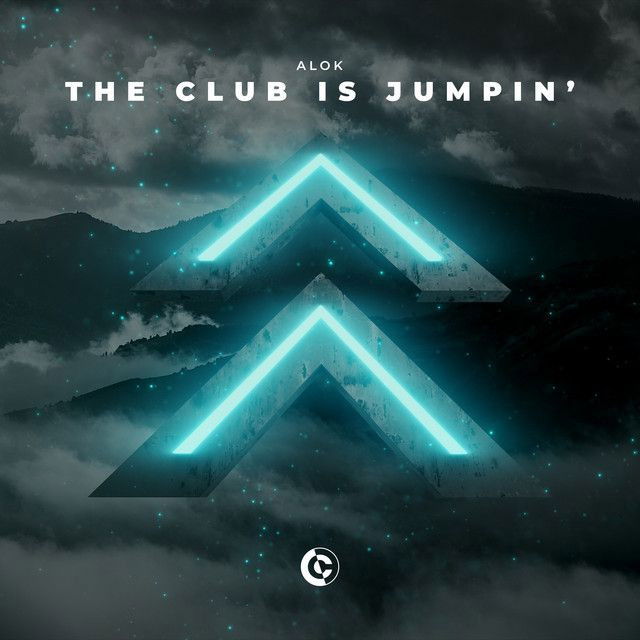
What ‘The Club Is Jumpin’’ by Alok Really Means
They don’t come to this track for plot—they come for the rush. Alok’s “The Club Is Jumpin’” revives a Y2K party mantra and repackages it for modern festival speakers. In under three minutes, it delivers a clear message: tonight is about collective release, status flash, and moving as one.
"The Club Is Jumpin'" - Alok
The club is full of ballers and their pockets full grown
And all you fellas, leave your girl with her friends
Loading lyrics...
Unable to load lyrics
We're unable to display the lyrics at this time. Please try again later.
A Y2K Hook, Reimagined for Now
The backbone is unmistakable: a rework of Destiny’s Child’s turn‑of‑the‑millennium chorus. That link explains why Beyoncé Knowles, Chad James Elliott, Jovonn Alexander, and Rufus Moore appear as writers. Alok doesn’t retell the original story; he spotlights its most anthemic lines and drops them into a sleek, high‑pressure house build.
The effect is cultural time travel. The early‑2000s call to independence becomes a 2020s rave signal. Where Destiny’s Child sang over R&B bounce, Alok surrounds the words with sub‑heavy low end, festival‑scale risers, and a laser‑cut drop—turning a sing‑along into a mass chant.
Watch the official The Club Is Jumpin'
music video
What the Song Says, Plain and Simple
At its core, the hook invites people to own their night. Lines like Ladies, leave your man
and leave your girl
are not hostile; they’re playful nudges toward solo fun with friends. The idea is to step away from couple routines and embrace the dance floor community.
The time stamp it’s 11:30
pins the action to peak hours, the window when a venue tips from warm‑up to total ignition. And the promise that the club is jumpin’
functions as both description and self‑fulfilling hype—say it enough and the room believes it.
Who’s Talking—and to Whom
The voice feels like a hype leader addressing everyone at once. It’s second person, issuing quick commands meant to cut through noise and strobe. This narrator isn’t intimate; they’re public and amplified, closer to an MC or DJ tag that cues a drop.
Crucially, the commands target both sides of the dance floor. That symmetry reframes nightlife as parallel freedoms: women with their crew, men with theirs, each allowed a night that doesn’t revolve around a partner’s clock.
How the Sound Makes the Message Stick
Alok’s production leans on four elements:
- A tight four‑on‑the‑floor kick and sidechained bass that glue bodies to the beat.
- Filter sweeps that thin the mix before each release, making the drop hit harder.
- Chopped and repeated vocal bits—especially
the club is jumpin’
—that become rhythmic hooks as much as lyrics. - A low‑end typical of Brazilian bass, designed to rumble big rooms and car subs.
Together, they turn short phrases into percussive instruments. Even status flex lines like pockets full grown
read as texture more than narrative. The vocal is compressed, forward, and loop‑friendly, so DJs can extend or slam it into other tracks.
Culture, Gender, and the Invite
Interpretation: The original Destiny’s Child message highlighted women’s independence on a night out. In Alok’s version, that energy broadens; the mirrored instructions to men suggest the club as neutral ground where everyone gets to clock out from relationship roles.
There’s also the fantasy side. “Ballers” conjures VIP ropes, bottle service, and the performance of wealth. That image can be read two ways: as a fun, exaggerated backdrop for escapism, or as a wink at consumer spectacle. Either way, the song uses recognizable nightlife shorthand to place listeners inside a high‑status scene.
Why It Lands in 2020s America
Interpretation: Two currents make this click stateside. First, Y2K nostalgia is back, so a familiar hook carries instant social cachet and TikTok utility. Second, post‑lockdown club culture craves big, communal resets. A chorus people already know helps strangers move like one crowd by the second drop.
A Quick Timeline of the Night Inside the Song
- 11:30: arrival, energy climbing, group chats cooling off.
- First drop: dance floor surges; the chant locks in.
- Mid‑set: flex moments (status, outfits, selfies) fold into the groove.
- Final run: everyone yells the hook together; lights flare; phones up.
The Line Between Empowerment and Flex
Interpretation: The hook rides two feelings at once. On one side is autonomy—showing up for yourself and your friends. On the other is spectacle—status, money shots, being seen. The tension is the point; club culture thrives on both the inward release of dancing and the outward performance of swagger.
Takeaway and Final Meaning
If readers want the quick answer to the meaning of The Club Is Jumpin’ Alok, it’s this: the track retools a beloved party mantra to celebrate late‑night freedom in a modern, bass‑heavy package. It invites everyone to step into a shared ritual—drop hits, hands up, worries off.
Disclaimer: Song meanings are interpretive. This analysis reflects one informed reading based on lyrics, production, and cultural context.








