
Fitzpleasure by alt-J
alt-J’s “Fitzpleasure” is one of those songs that sounds playful at first and disturbing the longer they sit with it. For many listeners, the meaning of Fitzpleasure alt-J becomes clearer once they know the band drew from Hubert Selby Jr.’s Last Exit to Brooklyn. According to Songfacts, frontman Joe Newman said the song was inspired by the novel’s brutal “Tralala” chapter.
"Fitzpleasure" - alt-J
Deep greedy and Googling every corner
Dead in the middle of the C-O-double M-O-N
Loading lyrics...
Unable to load lyrics
We're unable to display the lyrics at this time. Please try again later.
That context matters because the track is not random wordplay. It turns violent source material into fractured images, making the listener feel disoriented instead of giving them a neat story.
The Dark Core Beneath the Clever Surface
At its core, “Fitzpleasure” appears to be about power, sexual violence, and the numb spectacle that can grow around cruelty. The song keeps circling desire and damage at the same time. Even the repeated phrase Tralala
points back to the character from Selby’s book, which helps explain why the song feels both theatrical and deeply ugly.
Interpretation: alt-J are not celebrating the violence. They seem to be staging it in broken, uncomfortable flashes so the listener cannot settle into a simple, catchy chorus. The tension between beauty and horror is the point.
The phrase broom-shaped pleasure
is especially important. It compresses the song’s whole method into a few words: pleasure is named, then immediately poisoned. Rather than describe events directly, the lyric uses a grotesque image to show how desire can be twisted into abuse.
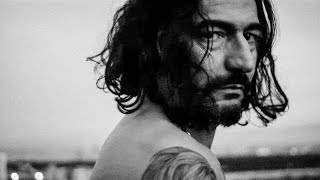
Watch the official Fitzpleasure
music video
How the Lyrics Jump Between Places
One reason the meaning of Fitzpleasure alt-J can feel slippery is that the song shifts between literary reference, local memory, and pure sound-play. There is the Selby material, but there are also lines tied to Southampton. Songfacts notes that The Common
refers to a park in the city where Joe Newman grew up.
That local detail makes the song feel closer and more real. It suggests that brutality is not just something from a novel or a distant urban myth. It can belong to familiar places too.
Another line, Mandela Boys
, points to a gang Newman referenced in comments discussed by Songfacts. He also linked one lyric’s rhythm to Big Pun’s “Twinz,” especially in the tongue-twisting phrase about being dead in the middle
. That hip-hop echo gives the song a nervous momentum, as if language itself is racing ahead of clear explanation.
A Chorus of Obsession, Not Comfort
Unlike a normal indie-rock hook, this song’s repeated sections do not offer relief. They trap the listener in the same cycle of fixation. The recurring idea of searching every corner suggests obsession, surveillance, and appetite without limits.
In your hoof lies the heartland
it’s all in your eyes
These are short, strange images, but together they make the body feel symbolic and unstable. A “hoof” sounds animal, hard, and inhuman. “Eyes” suggest seduction, witness, or control. Interpretation: the song keeps blurring attraction and threat, so even intimate images become dangerous.
Why the Sound Feels So Unsettling
A big part of the song’s force comes from its arrangement. “Fitzpleasure” appeared on alt-J’s 2012 debut album An Awesome Wave, the record that helped establish their clipped vocals, unusual rhythmic patterns, and art-rock approach. The production balances heavy low-end impact with airy vocal layers, making the track feel both physical and ghostly.
That contrast supports the theme. The drums hit like marching pressure, while the vocals often sound detached, almost childlike. Instead of screaming the horror, the band underplay it. That choice can make the song even more unnerving because the calm delivery clashes with the subject.
There is also a ritual feel in the chant-like repetition. The band stack sounds in a way that feels communal, but not warm. It resembles a crowd, a gang, or a public scene where individual responsibility disappears. Interpretation: the production may be hinting at mob energy, which fits a song preoccupied with collective cruelty.
Two Strong Readings of the Song
Reading One: A Literary Adaptation in Fragments
The most factual reading is the simplest one: alt-J took a chapter from Last Exit to Brooklyn and translated its emotional shock into song. Newman said the chapter moved him because it left him reeling, and that reaction explains the structure. The track is less a retelling than a series of emotional after-images.
Reading Two: Violence Moved Into the Present
A second reading is that the song brings literary violence into modern everyday spaces. The references to Southampton, gangs, and local geography make the horror feel current, not historical. In this version, the song asks how societies normalize predatory behavior until boys become men without ever being forced to face what they did.
That reading also helps explain the title. Songfacts quotes Newman saying “Fitzpleasure” came from reshaping a phrase in the lyric into something more subtle. The title sounds stylish, but it hides something rotten underneath, just like the song itself.
Why “Fitzpleasure” Still Gets Under the Skin
Part of the song’s legacy is that it has reached wide audiences through TV placements and pop-culture use, even though its roots are extremely dark. That mismatch says a lot about alt-J’s art. They make songs that can sound sleek and addictive on the surface while carrying difficult material underneath.
For listeners trying to understand the meaning of Fitzpleasure alt-J, the key is to hear both layers at once. It is a song about seduction, ugliness, and the way language can disguise harm while also exposing it.
In the end, “Fitzpleasure” stays powerful because it refuses to clean up what inspired it. It turns violence, memory, and desire into a collage that feels catchy, sickening, and hard to forget.
Disclaimer: Song interpretation is never fully fixed. Some meanings above are factual and sourced, while others are clearly labeled as interpretation.






