Why "Colorblind" by Movements Hurts So Much
Sometimes the saddest breakup songs are not about blame. They are about a person who believes they are the reason love fails.
"Colorblind" - Movements
Provided by LyricFindBreathe in
Run fingers over scarred skin
Let the guilt rain down all over meLoading...Loading lyrics...
Unable to load lyrics
We're unable to display the lyrics at this time. Please try again later.
The Core Wound at the Center
The meaning of Colorblind Movements comes down to emotional self-sabotage. The song follows a narrator who cares about someone deeply, yet feels unable to receive that love in a healthy way. Instead of accusing the other person, they turn inward and treat themselves as the problem.
That is why the chorus hits so hard. When the singer says save yourself
and calls his flaw part of his design
, he is not just having a bad day. He sounds convinced that failure is built into who he is. The song turns heartbreak into a crisis of identity.
Factually, Movements framed the song as a relationship track. In a Billboard interview, vocalist Patrick Miranda said he is colorblind in real life and used that condition as an analogy for love. That comment matters because it points listeners toward the song’s main metaphor: love is present, valuable, and visible to others, but the narrator feels unable to fully perceive it.

Watch the official Colorblind
music video
A Love Song Told Through Shame
The opening verses build that idea with physical and emotional detail. The song begins with breath, skin, guilt, and sharp words. Those images make the scene feel close and tense, like a private argument after distance has already done damage.
When the narrator admits they were not really listening, the point is bigger than one missed conversation. It suggests disconnection as a pattern. They are there in body, but not in spirit. That helps explain why the partner sounds hurt, and why the narrator already expects to disappoint them.
Who is speaking, and to whom?
The narrative voice is first person, aimed at a romantic partner. The partner seems patient enough to wait for an answer, but the speaker can barely face that patience. In their mind, the other person is precious, even idealized.
That is captured in the line you were gold
. Gold suggests warmth, rarity, and value. The tragedy is that the narrator pairs it with I'm color blind
, turning the title into a confession: they can recognize that the other person matters, but they still feel unable to respond the way love requires.
Why the Metaphor Works So Well
The title image is simple, but it carries a lot. Being colorblind here does not mean the narrator feels nothing. It means they believe their perception is limited. Love may be real, but they cannot process it clearly.
In the second verse, the song keeps circling that uncertainty. The narrator wonders whether the problem is timing, circumstance, or something deeper inside. They ask if it is seasonal change, bad luck, or destiny. Then they reduce love to an artificial enemy
, which is a striking phrase because it mixes attraction with distrust.
Interpretation: this is the mindset of someone who has been hurt enough, or disappointed enough in themselves, that love no longer feels safe. Even when affection appears, they meet it with suspicion. They are not only losing a relationship; they are losing faith in their ability to have one.
The Chorus Turns Doubt Into Identity
Many songs use the chorus to repeat a feeling. “Colorblind” uses it to harden that feeling into a belief system.
Here is the emotional progression:
- The narrator sees the partner pulling away.
- They assume the partner would be better off leaving.
- They describe themselves as permanently flawed.
- They turn doubt into destiny.
That is why the song feels heavier each time the chorus returns. The speaker is not trying to fix the relationship. They are sentencing themselves. The line about doubt being deafening suggests inner noise so loud that it drowns out comfort, reason, and connection.
The Sound Makes the Meaning Land
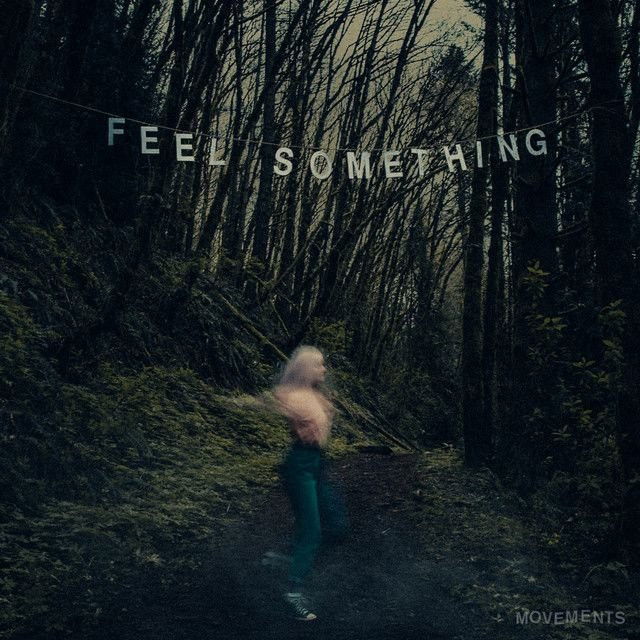
Musically, the song supports that emotional collapse. Movements introduced “Colorblind” ahead of their debut album Feel Something, released October 20, 2017, and described the record as a more mature statement of their identity. In the same Billboard interview, Miranda said the band wanted a heavy opener that showed their growth, while producer Will Yip helped shape a more defined rock sound.
That context fits what listeners hear. The guitars feel dense and driving, but they leave room for melody. The rhythm section pushes forward instead of drifting, which gives the song urgency. Rather than sounding dreamy or distant, the track sounds like someone trying to outrun their own mind and failing.
Why the delivery matters
Patrick Miranda’s vocal style is key to the song’s meaning. He does not sing these lines like grand theater. He sounds close, strained, and exposed. That makes the self-criticism feel believable.
The dynamic contrast also helps. Verses feel tightly wound, then the chorus opens up without offering relief. It gets bigger, but not freer. The expansion feels like a panic attack made anthemic.
Another Reading: Depression in Relationship Form
There is also a broader way to hear the song. Interpretation: even though “Colorblind” is clearly framed as a relationship song, its language also matches depression and emotional numbness. The speaker wanders back to old patterns, calls themselves the same mess, and says they never learn. That goes beyond one romance.
Under that reading, the partner becomes a mirror. Their love reveals how little the narrator thinks of themselves. The real conflict is not whether the partner is good enough. It is whether the narrator believes they deserve anything good at all.
What “Colorblind” Finally Says
The meaning of Colorblind Movements is painful because it captures a very human fear: ruining something good because they cannot escape their own broken self-image. The song is about love, but even more, it is about perception. The narrator can see the value in the other person, yet cannot translate that vision into trust, stability, or change.
That is what makes “Colorblind” stick. It is not simply sad. It is the sound of someone believing they are unreachable, even while being loved.
Interpretation disclaimer: song meaning is never fully fixed. This reading is based on the lyrics, band comments, and the track’s musical context, but listeners may connect with it in different ways.








