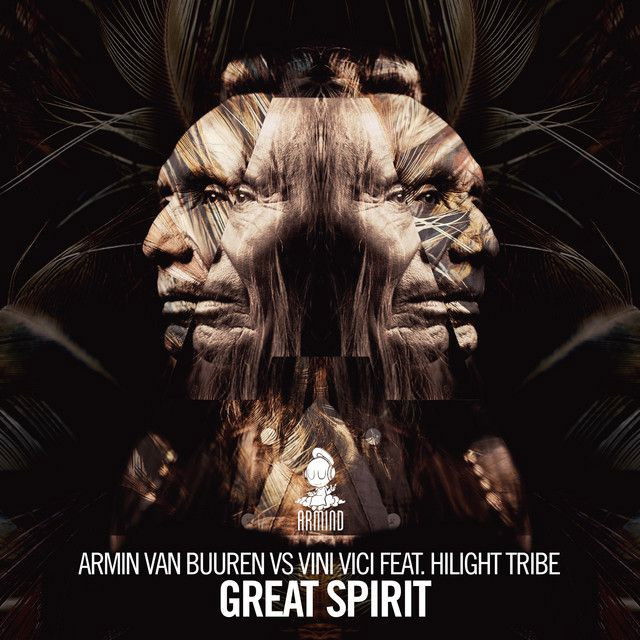
Why “Great Spirit” Feels Like a Ritual
The meaning of Great Spirit Armin van Buuren, Vini Vici, Hilight Tribe starts with a simple idea: this is less a story-song than a musical invocation. Instead of giving listeners a character, plot, or confession, the track builds a shared atmosphere of awe, motion, and spiritual intensity.
"Great Spirit" - Armin van Buuren, Vini Vici, Hilight Tribe
Wohitika oyate
Nagi tanka, tunkasila
Loading lyrics...
Unable to load lyrics
We're unable to display the lyrics at this time. Please try again later.
Released in December 2016, the collaboration joined Armin van Buuren with psy-trance duo Vini Vici and vocals from Hilight Tribe. It was also described as Armin’s first psy-trance song and later appeared on The Best of Armin Only.[1] That context matters, because the song’s meaning lives in the crossover itself: a mainstream trance giant stepping into a more tribal, psychedelic sound world.
A Chant More Than a Narrative
The lyrics are built from repeated words and short calls rather than full scenes. Terms like Wakan tanka
and oyate
return again and again, giving the track the feel of a ceremonial chant. Even listeners who do not know each word can hear the intention: reverence, community, and power.
Interpretation: the song seems to aim for connection with something larger than the self. The title “Great Spirit” points in that direction clearly. Repetition makes that feeling stronger, as if the speaker is not explaining belief but entering it.
That is why the song feels so immediate on a festival stage. It does not ask the crowd to follow a plot. It asks them to join a pulse.
Watch the official Great Spirit
music video
What the Key Phrases Suggest
Several phrases point toward a world of spirit, people, memory, and kinship. The refrain-like use of wiyan wakan
and the closing idea of mitakuye oyasin
suggest sacred relationships and a wider bond among living beings.
Interpretation: taken together, the words suggest that human identity is not separate or isolated. The repeated references to “people” and the sacred imply a communal worldview, where strength comes from belonging.
There is also a heroic tone in phrases like wohitika
and akicita
. Even without turning the track into a literal battle song, those words add courage and motion. The spirit being addressed is not calm or distant; it feels active, proud, and urgent.
The Sound Turns Meaning Into Motion
The production does a lot of the interpretive work. This is a fast psy-trance track, built on galloping rhythm, tight bass movement, and a rising, festival-sized drop. Critics at Guettapen noted that it uses familiar psy and tribal vocal codes, even if they felt it was not highly innovative.[2]
That observation actually helps explain the song’s appeal. “Great Spirit” is designed less to surprise than to transport. The drums and chants make the track feel ancient and futuristic at once. Hilight Tribe’s vocal presence adds a live, organic edge, while Armin and Vini Vici keep the arrangement sharp enough for EDM stages.
Why the Drop Matters
When the chanting cycles back over the beat, the song creates a loop of tension and release. The body hears repetition, while the mind hears ritual. That combination is a big part of the meaning of Great Spirit Armin van Buuren, Vini Vici, Hilight Tribe: transcendence through rhythm.
In other words, the “message” is not only in the words. It is in how the track makes listeners move together.
Artist Context Makes the Theme Clearer
Armin van Buuren said he had wanted to work with Vini Vici because of their distinctive sound and that he had already been playing the tune in live sets before its official release.[1] That matters because the song was built with crowd response in mind from the start.
Vini Vici also framed the collaboration as a dream achievement, describing it as something beyond what they expected.[1] So the song carries two kinds of elevation: spiritual language in the lyrics and career-level ambition in the collaboration itself.
That blend helps explain why the track became more than a niche psy-trance cut. It earned certifications in multiple countries, including Gold in Germany and the Netherlands, plus Platinum-level streaming certification in Sweden.[1] Listeners clearly heard something anthemic in it.
Two Main Ways to Read the Song
There are at least two solid readings of the track.
- Spiritual reading: It reaches toward a sacred force, using chant and repetition to create reverence.
- Communal reading: It turns the dance floor into a tribe, with repeated words acting like a shared call.
These readings do not cancel each other out. In fact, they likely support each other. Dance music often blurs the line between worship and crowd unity, and “Great Spirit” leans hard into that overlap.
There is also a note of caution worth mentioning. Because the song draws on Indigenous language and sacred-sounding imagery, some listeners may hear it as respectful fusion while others may see it as spiritual borrowing. That tension is part of the conversation around tracks that bring ceremonial language into commercial electronic music.
The Lasting Meaning of “Great Spirit”
In the end, “Great Spirit” means what its title promises: an attempt to touch something larger, higher, and shared. Its power comes from chant, repetition, and sheer physical momentum, not from detailed storytelling.
That is why the song still lands. They made a track that feels like a ceremony translated into festival trance—part prayer, part adrenaline rush, part collective release.
Interpretation disclaimer: Song meaning is never fully fixed. This reading is based on the lyrics, production, release context, and public comments, but different listeners may hear the song in different ways.
Sources
[1] Wikipedia: “Great Spirit”
[2] Guettapen review excerpt as cited by Wikipedia







