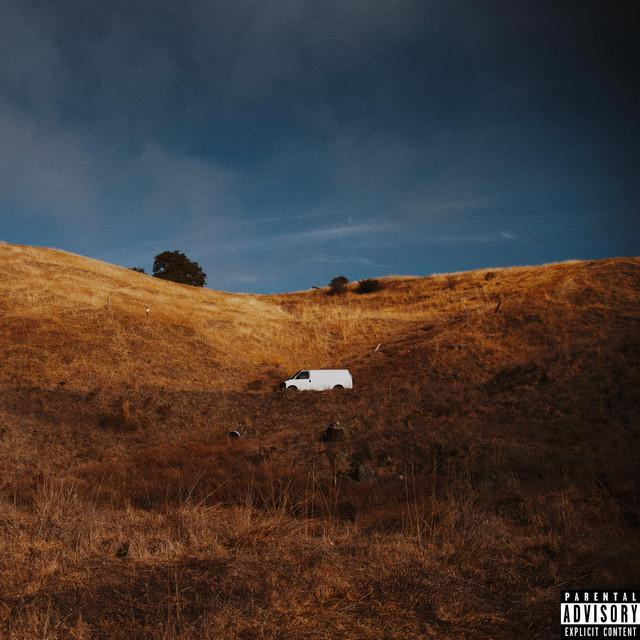
Open Book by Art Morera
Art Morera’s “Open Book” is a reflective rap song about vulnerability, survival, and trying to make sense of life while it keeps moving. At its core, the meaning of Open Book Art Morera is about what happens when someone lives honestly, shares too much, gets hurt, and still chooses to keep creating.
"Open Book" - Art Morera
To think on them late night drives
I talk like it's just me and you
Loading lyrics...
Unable to load lyrics
We're unable to display the lyrics at this time. Please try again later.
The track feels conversational from the first verse. They move through memories, jokes, pain, weed smoke, old love, and a real story about getting robbed. That loose structure matters. It sounds like a late-night mind at work, connecting small details to bigger truths.
The Main Idea Hiding in Plain Sight
The title gives away the song’s center. In the chorus, Morera describes being an open book
, then links that image to wind turning pages. In plain terms, they are saying that when someone is transparent, life can move through them fast. Other people can read them, judge them, misunderstand them, or be helped by them.
That is why the apology in the hook matters. When they say they were just trying to help you
, the song turns from simple autobiography into a statement about intention. They may have overstepped, said too much, or cared in a messy way. Still, the motive was not cruelty. It was connection.
Interpretation: The chorus suggests that openness is both a gift and a risk. Being emotionally available means they cannot fully control how others respond.
A Mind on the Road, Thinking Out Loud
One of the song’s strongest ideas is that thinking happens in motion. Morera calls the beat theme music to think to
, which frames the whole record as a soundtrack for reflection. The late-night driving images make the song feel private, almost like listeners are in the passenger seat while thoughts spill out.
That setting supports the song’s style. The writing is not arranged like a neat lesson. Instead, it drifts from humor to sadness to gratitude. They mention a dog, old relationships, weed, and dreams in a way that feels improvised, but the emotional line is clear: they are trying to stay afloat by talking through life.
A revealing moment comes when they admit they cope with rapping
. That short phrase explains the song’s purpose. Music is not just performance here. It is therapy, structure, and self-rescue.
The Story Inside the Second Verse
The clearest narrative arrives when Morera recalls being robbed in Oakland. Someone broke into their car and stole major tools of their craft, including camera gear, a laptop, and hard drives. This section grounds the song. Up to that point, the track feels dreamy. Suddenly, it becomes specific and real.
What stands out is their response. They say, in effect, that they forgave the thief. That does not erase the damage, but it shows the song’s larger worldview. Even after a violation, they resist becoming bitter.
Then the verse pivots again. They describe nearing emotional collapse, rebuilding quickly, and eventually getting part of their property back through the police and a manager. The event becomes more than a bad day. It becomes evidence that they are supposed to continue.
Interpretation: This part of “Open Book” presents faith not as perfect certainty, but as meaning discovered after chaos. Loss becomes a test of purpose.
Why the Chorus Hits So Hard
The repeated line about pages turning in the wind is the song’s best image because it captures two feelings at once:
- exposure
- lack of control
- the passage of time
- the way personal stories get read by others
Here is the song’s one extended refrain:
When you're an open book, pages turn as the wind blows
Sorry if I did too much
I was just trying to help ya
Even without many words, the chorus carries regret, tenderness, and exhaustion. It sounds like someone explaining themself after being misunderstood.
Sound and Production: Why It Feels Intimate
There is not much official production detail available in the provided credits beyond Morera writing the song, so any sonic reading should stay close to the recording itself. Factually, the performance leans on a relaxed rap flow, soft melodic repetition, and a beat that leaves room for words.
That matters for meaning. The production does not rush them. It creates the feeling of a slow drive or an unfiltered voice memo. The understated groove helps the listener focus on memory and mood instead of big drama.
The chorus also works because of repetition. Each return feels less like a catchy hook and more like a personal truth they need to keep relearning.
Themes of Love, Dreams, and Everyday Grace
Another reason the song resonates is that it moves between ordinary details and spiritual meaning. Morera remembers a time when they were admired by a partner, then admits they no longer know that person’s life. There is no attack in that memory. They simply hope she is happy.
That emotional restraint gives the song maturity. Even when talking about hurt, they avoid turning every memory into blame.
They also say dreams make the most sense to them, even joking that they are most awake while sleeping. That line suggests a person who trusts intuition and imagination more than the chaos of daily life. In a song full of disruption, dreams become a place of order.
A Useful Way to Read “Open Book”
For most listeners, the meaning of Open Book Art Morera comes down to this: honesty does not protect a person from pain, but it can help them survive it. The song argues that openness is messy, art is a coping tool, and setbacks can confirm purpose instead of ending it.
A second reading is also possible. Interpretation: the song can be heard as a quiet artist statement. By exposing doubts, losses, and scattered thoughts, Morera shows what kind of rapper they want to be: observant, human, forgiving, and unafraid to sound unfinished.
That unfinished quality is part of the appeal. “Open Book” does not offer a polished life lesson. It offers a real one.
Disclaimer: This interpretation is based on the lyrics provided and publicly available context. As with any song, meaning can vary by listener and may differ from the artist’s own intent.






