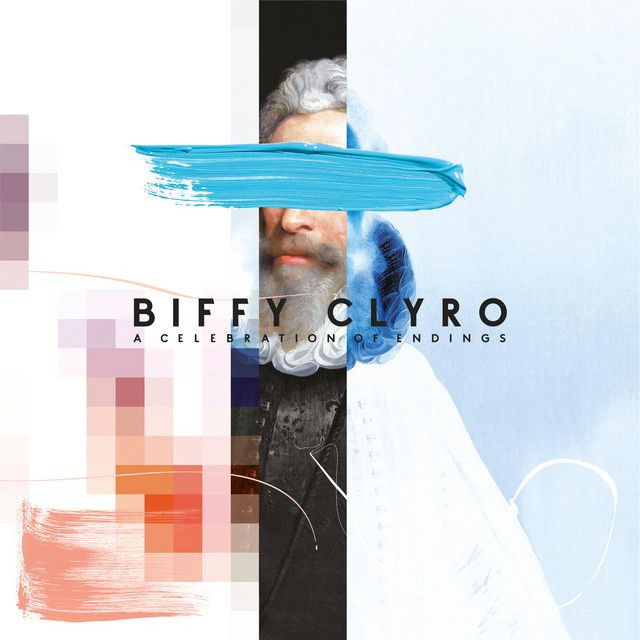




In a world where the grey man's curse silences the masses, Biffy Clyro's anthem roars with defiance. The lyrics paint a picture of rebellion against complacency and nostalgia for a "better" past that never truly existed. They challenge the notion of being unheard and unseen, urging us to break free from societal constraints and face reality head-on. The song speaks to the frustration of seeing everything cherished crumble, yet it also celebrates resilience and self-empowerment. It’s a call to recognize our own power as "The Source," the undeniable force that disrupts false narratives and exposes uncomfortable truths. In essence, it's a rallying cry for authenticity in an age of superficiality.
The Champ
Lyrics
Loading lyrics...
What is the Meaning of The Champ
?
End of content
That's all we got for #
Frequently Asked Questions
-
When was 'The Champ' by Biffy Clyro recorded?
'The Champ' was recorded before the COVID-19 pandemic, with the album 'A Celebration of Endings' being completed months before the outbreak.
-
What inspired Simon Neil to write 'The Champ'?
'The Champ' was initially inspired by climate change, Brexit, and the Scottish referendum. However, its meaning evolved over time to address broader issues about people who remain silent when they should speak up.
-
Where was 'The Champ' recorded?
'The Champ' was recorded at Abbey Road Studio Two, a famous studio known for being used by The Beatles.
-
Who performed with Biffy Clyro on 'The Champ'?
Biffy Clyro recorded 'The Champ' with an orchestra at Abbey Road Studio Two. This collaboration added a rich orchestral layer to the song.
-
What is the significance of the lyric 'When reality has washed upon the shore' in 'The Champ'?
This lyric references a 3-year-old Syrian refugee whose image made global headlines after his body washed up on a Turkish shore in 2015. It highlights how people's attitudes towards refugees can shift dramatically in response to tragic events.
-
How did Simon Neil describe people referenced in 'The Champ'?
Simon Neil described them as those who bite their tongues and keep their opinions to themselves when they should be heard. He refers to these individuals as affected by the 'grey man's curse.'







