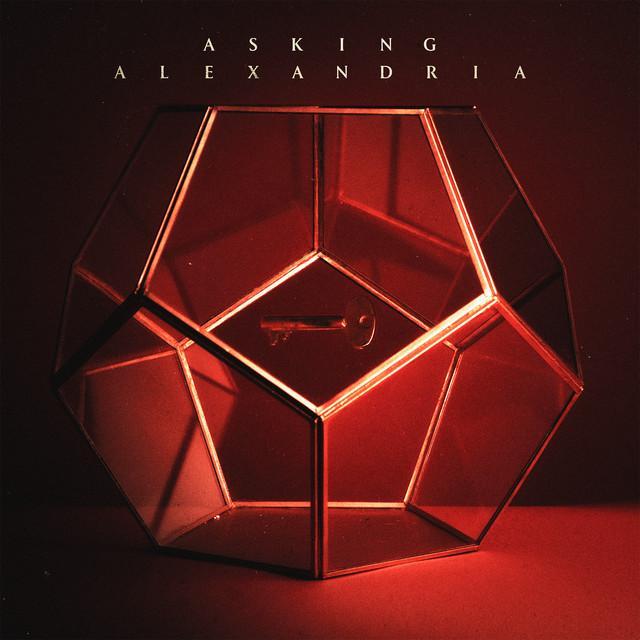
Alone In A Room by Asking Alexandria
The meaning of Alone In A Room Asking Alexandria comes down to a hard truth: sometimes healing starts with the silence they have been trying to avoid. Rather than treating solitude as defeat, the song turns it into a place of confession, self-review, and change.
"Alone In A Room" - Asking Alexandria
When my mind's running wild, I seem to lose grip on reality
And I try to disregard the crazy things the voices tell me to do, but it's no use
Loading lyrics...
Unable to load lyrics
We're unable to display the lyrics at this time. Please try again later.
Released on Asking Alexandria’s self-titled 2017 album, the track arrived during an important reset for the band, with Danny Worsnop back in the lineup and the group leaning into a cleaner, more melodic hard-rock sound. That context matters because the song feels like a bridge between chaos and control.
A Song About Facing the Self
At its core, the song follows someone who has tried to outrun inner pain and failed. The verses describe a mind that feels crowded and unstable, with thoughts pulling them away from reality. When they mention running wild
, the idea is not just stress. It suggests a mental state that feels hard to manage.
The turning point is the title image itself. To be alone in a room
sounds simple, but in the song it means sitting still long enough to admit what hurts. They do not find peace by escape, travel, or noise. They find it by finally saying things out loud.
Interpretation: the song frames solitude as a kind of forced honesty. The room becomes both a private breakdown space and a workshop for rebuilding identity.

Watch the official Alone In A Room
music video
The Chorus Turns Isolation Into Release
The chorus carries the whole message. It lists painful memories, regrets, and broken hopes, then ties them to the need to speak openly. The repeated idea is that the thing they least wanted was exactly what they needed.
One of the most revealing lines is presented as a struggle to express pain creatively:
put words on a pagealone in a room
Those short phrases connect writing with survival. The song suggests that expression is not neat or inspiring at first. It is frustrating, messy, and sometimes violent in feeling, as if language has to be dragged out.
That is why the chorus feels bigger each time it returns. It is not just catchy repetition. It sounds like someone convincing themselves that confession is worth it.
How the Verses Build That Meaning
The verses move in a clear emotional arc:
- First, they admit loss of control and mental noise.
- Next, they describe trying to master that pain through songwriting.
- Then, they realize distance does not fix the wound.
- Finally, they accept that grounding themselves is the only way forward.
A key phrase is that hole was still a hole
. It captures the song’s blunt honesty. Absence, distraction, and motion do not heal emptiness. They only delay dealing with it.
Later, the song softens slightly. When they say I ain't alone here
, the tone changes from isolation to connection. That does not erase loneliness. Instead, it introduces a crucial distinction: feeling lonely is not the same as truly being abandoned.
Artist Context Makes the Message Stronger
For listeners familiar with the band’s history, the song gained extra weight because it came during a visible transition. Asking Alexandria’s 2017 self-titled album marked Worsnop’s return, and coverage from outlets like Loudwire and Kerrang! highlighted the band’s renewed chemistry and stylistic shift.
That does not prove every line is autobiographical. Still, it supports a reasonable reading that the song reflects a period of reckoning: with fame, burnout, identity, and the pressure to turn damage into art.
Interpretation: even if listeners avoid a literal biographical reading, the song clearly speaks from a place of lived tension rather than abstract drama.
Why the Sound Matters So Much
Part of the song’s impact comes from how it sounds. Asking Alexandria build it with a polished rock structure instead of nonstop heaviness. The verses are restrained, which gives the lyrics room to feel intimate. Then the chorus opens up melodically, making the confession feel larger and more public.
That contrast mirrors the message. Private pain sits in the quieter sections; release arrives in the hook. The guitars and drums still carry weight, but they do not overwhelm the vocal. Instead, the production lets the words land clearly.
The result is important for the meaning of Alone In A Room Asking Alexandria. If the track had been harsher from start to finish, it might have sounded trapped in anger. Because it balances pressure with lift, it sounds like a song about surviving the pressure.
A Few Symbols That Hold the Song Together
Several motifs repeat across the track:
- The room: a space of truth, isolation, and recovery.
- Voices/noise: inner conflict and loss of control.
- The page: art as both burden and outlet.
- The ground: stability, discipline, and staying present.
- The hole/cage: emotional stuckness.
Together, these images keep the song grounded. They are simple but effective, which helps explain why the track connected with so many listeners.
Final Take on Its Lasting Appeal
What makes this song resonate is its refusal to glamorize pain. It admits the chaos, but it does not stop there. By the end, the message is not that they are cured. It is that they are learning how to stand still, speak honestly, and become better than before.
That is why the song feels both personal and widely relatable. Many listeners know the fear of being left alone with their own thoughts. This track argues that, difficult as it is, that confrontation can be the beginning of change.
Disclaimer: This interpretation is based on the song’s lyrics, musical choices, and public band context. Like all song meaning analysis, some readings remain interpretive rather than confirmed fact.








