Why “Sk8er Boi” Still Hits So Hard
The meaning of Sk8er Boi Avril Lavigne is easy to enjoy on the surface: it is a catchy story about a girl who rejects a skater and later regrets it. But the song lasts because it says more than that. It is about class signals, social pressure, and how teenagers often confuse appearance with value.
"Sk8er Boi" - Avril Lavigne
She was a girl
Can I make it any more obvious?
Loading lyrics...
Unable to load lyrics
We're unable to display the lyrics at this time. Please try again later.
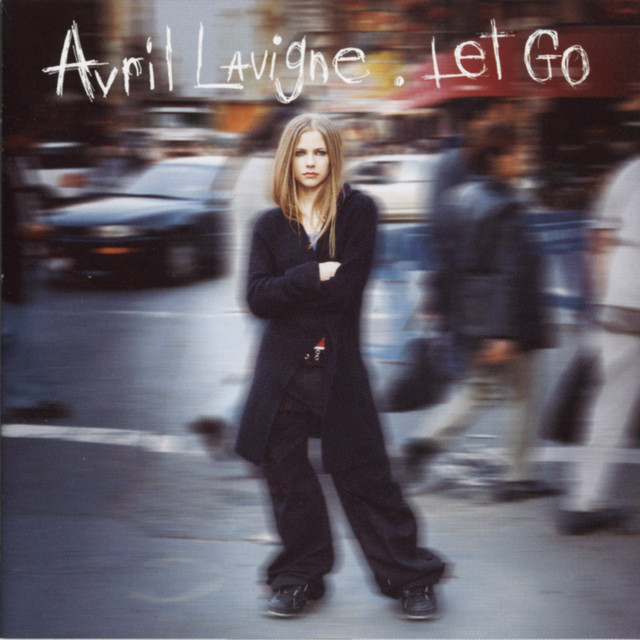
Released in 2002 on Let Go, the single helped define Avril Lavigne’s early image as a pop-rock outsider with a sharp sense of humor. According to Britannica, Lavigne broke through in the early 2000s with a style that mixed pop hooks and punk attitude. That mix matters here: the song is not only telling a story, it is performing a rebellion against polished expectations.
A Teen Story With a Bigger Point
On its face, the plot is simple. A boy and girl like each other, but her social circle looks down on him. She chooses image over instinct, and years later she sees that he became successful without her.
The opening lines sketch this conflict in the bluntest way possible. They are introduced as opposites: He was a punk
and she did ballet
. Those phrases are not just hobbies. They stand for two different social worlds: rough versus refined, outsider versus accepted, street style versus respectability.
Interpretation: The song argues that these categories are shallow. The problem is not that they are different; it is that other people decide the difference means one person is beneath the other.

Watch the official Sk8er Boi
music video
What the Chorus Really Means
The chorus gives the song its famous hook, but it also carries the central wound. When she says See you later, boy
, the phrase sounds casual. In the story, though, it becomes a life-changing dismissal.
The line He wasn't good enough for her
is especially important because the song frames that idea as a false judgment, not a fact. The chorus is built around a social lie: that worth can be measured by clothes, scene, or status.
Later, the song flips that judgment. He is now visible, admired, and publicly successful. That reversal is satisfying, but it is also a little pointed. The song does not simply celebrate fame. It mocks the way people often need public proof before they recognize private worth.
The Timeline of Rejection and Regret
The narrative moves quickly, almost like a short movie:
- Two teens connect across social lines.
- Her friends reject him because of his look.
- She goes along with that pressure.
- Years later, she sees him on TV and at a show.
- The narrator reveals that the skater found someone who believed in him.
That jump forward gives the song its sting. The image of her at home while he is rockin' up MTV
is not subtle, but it works. It turns private regret into public irony.
Interpretation: The song is less interested in punishing one girl than in exposing a whole mindset. Her mistake is not only romantic. She let other people tell her what kind of person mattered.
More Than Revenge: The Final Twist
The ending often gets remembered as a victory lap. The narrator says, in effect, that the girl missed her chance and that the skater is with someone else now. That can sound smug, and the song knows it.
But beneath the swagger is a more generous message. The narrator values what the other girl missed: the ability to see a person’s future, not just their current image. The key idea comes when the song contrasts surface beauty with inner character. It says there is more than appearance, more than a “type,” more than what a clique can approve.
There is more that meets the eye
I see the soul that is inside
That short moment turns the track from teen gossip into a statement of belief. Real love, or even real respect, begins with seeing beneath style markers.
How the Sound Sells the Message
The production is a big reason the meaning lands so clearly. Let Go was shaped by writers and producers including The Matrix, the team of Lauren Christy, Graham Edwards, and Scott Spock, who worked closely with Lavigne on key songs from the album, as documented by AllMusic. The songwriting credits for “Sk8er Boi” include Avril Lavigne, Scott Alspach, Lauren Christy, and Graham Edwards.
Musically, the song runs on bright guitars, quick pacing, and a chant-like chorus. That pop-punk bounce gives the story a cartoon sharpness. It feels like hallway drama told at top speed.
Lavigne’s vocal delivery matters too. They sing with attitude rather than heartbreak. That choice keeps the song from becoming sentimental. Instead, it sounds confident, funny, and defiant, which matches a story about refusing elite approval.
Why It Connected So Strongly
Part of the song’s staying power is that many listeners know this kind of social sorting. Teen life often rewards the “right” look and punishes difference. “Sk8er Boi” takes that feeling and turns it into a fantasy of delayed recognition.
At the same time, the song avoids sounding too heavy. Its humor and speed make the lesson easy to carry. That is why the meaning of Sk8er Boi Avril Lavigne still feels fresh: it captures a real insecurity, then answers it with energy and nerve.
The Last Word on Its Meaning
In the end, “Sk8er Boi” is about the cost of shallow judgment. It says people miss real connection when they let social status speak louder than instinct. Its revenge-story surface is fun, but its deeper point is simple: do not mistake image for worth.
This interpretation is based on the song’s lyrics, structure, performance, and publicly available context. As with any pop song, listeners may hear different meanings in it.







