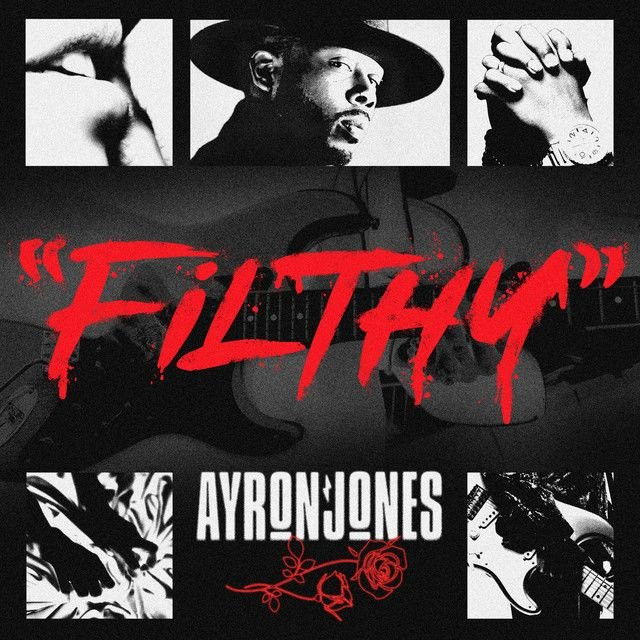
"Filthy" by Ayron Jones
They don’t call it a compliment. They call it a slur. In Ayron Jones’s “Filthy,” that insult becomes the crown. The track mixes lust, humor, and defiance to answer a familiar question: Who gets to judge you—your neighbors, the police, or you? The meaning of "Filthy" Ayron Jones sits at that crossroads, where a label turns into fuel.
""Filthy"" - Ayron Jones
Ha, ha, ha
Ha, ha, ha
Loading lyrics...
Unable to load lyrics
We're unable to display the lyrics at this time. Please try again later.
Reclaiming the Word That Was Meant to Cut
At surface level, the hook is a taunt. The town calls him filthy
, not “dope.” Instead of resisting the tag, the narrator flaunts it. That flip is the point. He’s not begging for approval; he’s defining cool on his own terms.
Interpretation: “Filthy” is self-branding as protest. It says, if you’re going to call me names, I’ll make the name mine—and make it loud. The swagger lets the track work as a party starter and a personal mantra at once.

Watch the official "Filthy"
music video
The Voice: Pride, Desire, and a Wink
The song speaks in first person and in present tense, which puts listeners inside the scene. The narrator lists the outfit—skinny jeans
, Chuck Ts
—like armor. He brags about pleasure and attraction, name-checking a black lace thong
with a grin.
This isn’t just shock value. It’s theater. He is building a persona that’s messy, sexy, and unbothered by scolds. The tone winks at the audience, inviting them to chant the label back as a badge of belonging.
Street Scenes and Symbols You Can Picture
Across the verses, small props carry big weight:
- Clothes as identity: the fit says he’s part of a scene and proud of it.
- Law-and-order gaze: the
thin blue line
suggests scrutiny and profiling, not protection. - Coping ritual: when tension spikes, the high goes
straight to the dome
, a quick reset that also reads as rebellion. - Desire as power: sexual images push against respectability politics, saying joy is its own defense.
Interpretation: The song plays with the line between being watched and being seen. If you can’t dodge judgment, you can dance in it—and make the crowd your witness.
Why the Hook Feels Like a Rally Chant
In the chorus, the narrator flips guilt into choice. He doesn’t need a judge to tell him who he is; the volume knob does that job. The hook turns a local nickname into a public slogan, asking listeners to be “with me” and get loud.
Interpretation: The refrain isn’t about shame. It’s about consent—to a vibe, a crew, a way of moving through a city that may not love you back. That’s why it lands like a chant at a show.
Riffs, Laughs, and Low End: The Sound Says It Too
“Filthy” hits with a dense guitar riff, a stomping drum pocket, and a bass that grinds under the vocal. Jones’s delivery snaps between melody and bark, adding a hip-hop swing to a grunge-blues chassis. The recurring laugh motif—those playful bursts between lines—acts like a sonic side-eye, mocking anyone clutching pearls.
Production-wise, the mix leaves space for the hook to punch through. Guitars smear with fuzz, drums stay big and simple, and the crowd-call phrasing makes it easy to shout along. That architecture supports the message: blunt, catchy, impossible to ignore.
Two Lanes of Meaning, Same Destination
Interpretation 1: A social-pressure anthem. References to the thin blue line
and being hassled read as policing culture crowding a Black rocker. The response—style, sex, volume—is a survival pose: laugh, love, and turn it up.
Interpretation 2: A hedonist victory lap. The song could simply celebrate wild nights, hot fashion, and the spark between bodies. In this lane, “filthy” is just dirty-fun energy.
Both readings work together. The risk of being judged gives the party its bite. The party keeps the judgment from winning.
What the Clothing Says Without Saying It
Fashion details like skinny jeans
and Chuck Ts
root the song in everyday gear, not luxury. That choice matters. It signals a scene built from thrift, gigs, and grit—closer to garage floors than velvet ropes. The look blends rock and street, showing how identity can be stitched from what you wear and how you carry it.
Takeaway: Dirt as Shine
The meaning of "Filthy" Ayron Jones is simple and sharp: turn stigma into style. By the end, the label that’s supposed to shame becomes a shout of community. It’s a reminder that sometimes the cleanest truth arrives covered in noise, sweat, and feedback—exactly the way rock should.
Disclaimer: Song interpretations are subjective. This analysis reflects one informed reading based on lyrics, performance, and public context.







