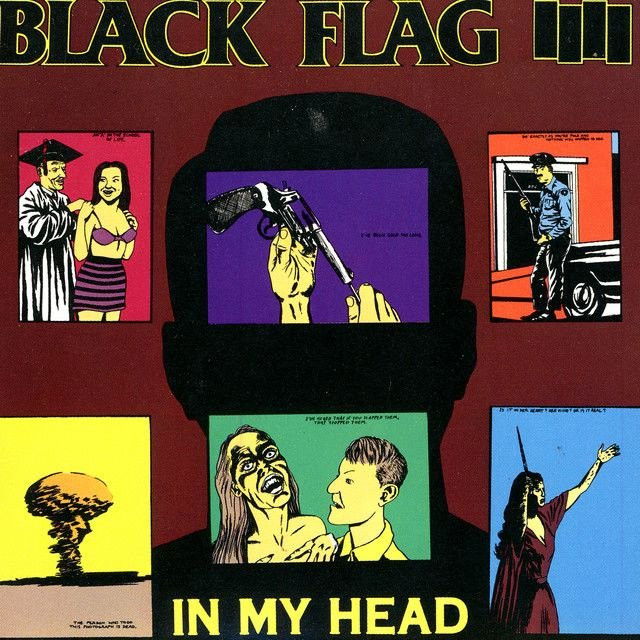
Drinking And Driving by Black Flag
Black Flag’s “Drinking and Driving” is one of their most direct songs, and that is exactly why it hits so hard. The meaning of Drinking And Driving Black Flag is not hidden behind poetry or mystery. They present a brutal warning about alcohol, denial, peer pressure, and the deadly cost of getting behind the wheel while drunk.
"Drinking And Driving" - Black Flag
Drink
Drink
Loading lyrics...
Unable to load lyrics
We're unable to display the lyrics at this time. Please try again later.
Rather than sounding like a public-service announcement, the song uses hardcore punk’s speed and aggression to make the message feel immediate. It is ugly on purpose. That ugliness is part of the point.
A Hardcore Warning, Not a Party Anthem
At first glance, the song’s repeated words can sound almost like a chant from a reckless night out. But the hook quickly reveals its real aim. The repeated sequence ending with Drive
and Kill
turns drinking into a chain reaction. In just a few words, they connect intoxication to death.
That is the core message: bad choices are often packaged as fun until consequences arrive. The lyrics do not ask listeners to admire chaos. They force them to see where chaos leads.
Interpretation: The song works like satire. They imitate the logic of someone making excuses for harmful behavior, then let that logic collapse under its own horror.
Watch the official Drinking And Driving
music video
How the Lyrics Build a Story of Denial
The verses are simple, but they still tell a clear narrative. The song moves in three rough stages:
- Heavy drinking becomes routine.
- The drinker lies to themself about control.
- A crash leaves bodies, guilt, and loss behind.
Early on, the song paints drinking as part of a dead-end adult routine, where work, exhaustion, and alcohol feed each other. That detail matters because it widens the target. This is not only about wild teenage partying. It is also about normalized self-destruction.
Then the lyrics focus on self-deception. The repeated claim you can quit anytime
is not reassuring. It is the classic lie of addiction and avoidance. The same goes for this is cool
and no choice
. They expose how people justify behavior they already know is dangerous.
Drink
Don't think
Drive
Kill
That compact refrain says everything. Shut off judgment, act on impulse, and somebody dies.
The Final Scene Makes the Meaning Plain
One of the strongest choices in the song is how it ends. It does not stop at reckless fun or even at the crash itself. Instead, it lands in the aftermath: a hospital bed, a destroyed car, and a dead friend.
That shift gives the song moral weight. The consequences are not abstract. They are physical, permanent, and social. A person is injured, another person is gone, and no excuse means anything anymore.
Interpretation: Black Flag seem less interested in preaching than in stripping away denial. By the final verse, every earlier excuse sounds pathetic because reality has answered back.
Why the Repetition Matters So Much
The repetition is one reason the song stays memorable. Hardcore often uses repeated lines as a weapon, and Black Flag push that tactic hard here. The same ideas keep coming back because addiction and bad habits repeat too.
The phrases feel mechanical, almost brainwashed. That is important. When people drink recklessly, they often run through the same script: it is fine, everyone does it, they can stop, they had no choice. The song turns that script into a trap.
In that sense, repetition is not just style. It is meaning.
Black Flag Context Sharpens the Message
Black Flag were one of the defining American hardcore bands, known for intensity, confrontation, and songs that attacked social rot. The live version of “Drinking and Driving” appears on Who’s Got the 10½?, released in 1986 through SST Records, with credits listing Henry Rollins on vocals, Greg Ginn on guitar, Kira Roessler on bass, and Anthony Martinez on drums; Greg Ginn is also credited as producer. The album was recorded live in Portland, Oregon, on August 23, 1985 (Wikipedia).
That live setting matters. This is a song about reckless group behavior, and hearing it in front of a crowd adds tension. A room full of bodies shouting along to such a dark warning creates an uneasy effect: communal energy aimed at exposing communal stupidity.
How the Sound Carries the Song’s Threat
Musically, “Drinking and Driving” is harsh and stripped down. The guitar attack is jagged, the rhythm section keeps everything moving like a blunt-force engine, and Rollins delivers the words with a bark rather than a melodic croon.
That sound supports the message in three ways:
- Speed suggests bad decisions happening fast.
- Repetition mimics obsessive, numbed-out thinking.
- Aggression makes the result feel violent, not glamorous.
There is no warm groove here, no wink, no softness. The performance makes intoxication sound stupid and deadly. That is a key reason the meaning of Drinking And Driving Black Flag comes through so clearly even before listeners unpack every line.
A Song About Responsibility in a Culture of Excuses
On a deeper level, the song is about responsibility. Drinking is the surface topic, but the larger theme is how people dodge blame. They blame work, friends, stress, or habit. The song rejects all of it.
That is why its language is so plain. Black Flag do not cloud the issue. They show how a culture of excuses can turn ordinary selfishness into tragedy.
Final Take
“Drinking and Driving” endures because it is simple, savage, and sadly timeless. Black Flag compress addiction, denial, peer culture, and fatal consequence into one short blast of hardcore punk.
Their message is not subtle: stop pretending reckless behavior is harmless. Interpretation disclaimer: song meaning can vary by listener, but this reading is based on the lyrics, the song’s structure, and the documented context of Black Flag’s live recording and lineup.







