Why 'We've Got Tonight' Still Hurts
The meaning of We've Got Tonight Bob Seger comes down to one hard truth: sometimes a song is not about forever, but about two people trying to survive one lonely night.
"We've Got Tonight" - Bob Seger
I know you're weary
I know your plans don't include me
Loading lyrics...
Unable to load lyrics
We're unable to display the lyrics at this time. Please try again later.
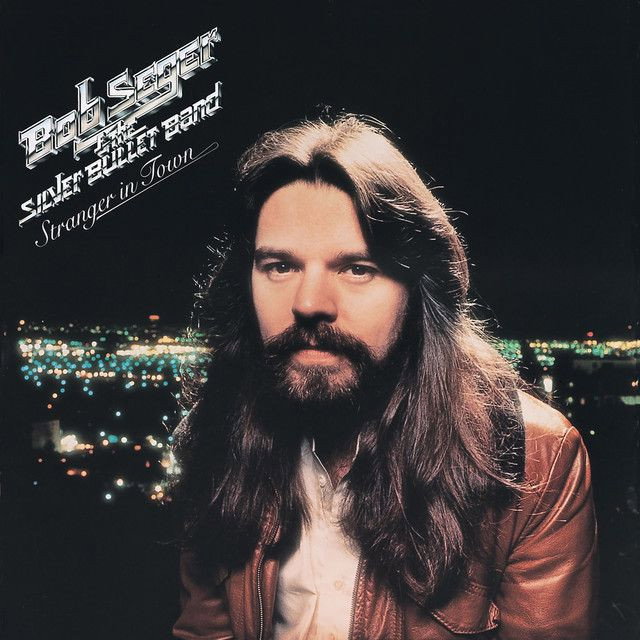
Recorded by Bob Seger & the Silver Bullet Band for Stranger in Town in 1978, the ballad became one of Seger’s best-known songs and reached No. 13 on the Billboard Hot 100, according to American Songwriter, Songfacts, and Wikipedia. Its staying power comes from how plainly it speaks about need, shame, and temporary comfort.
A Love Song With No Illusions
At first glance, the song sounds romantic. But its real emotional power is that it avoids fantasy. The narrator admits the timing is bad, the future is unclear, and the connection may not last.
That is why phrases like I know it's late
and both of us lonely
matter so much. They strip away glamour. This is not a grand declaration under perfect stars. It is a late-night confession between two tired people who know life has not gone the way they hoped.
Interpretation: The song is less about seduction than recognition. Each person sees the other’s emptiness because they feel it too.
Watch the official We've Got Tonight
music video
The Central Plea in the Chorus
The chorus gives the song its emotional thesis. When Seger sings We've got tonight
, he is not denying that tomorrow exists. He is saying tomorrow may be too uncertain to trust.
That makes the follow-up request, Why don't you stay?
, feel more fragile than forceful. The narrator is asking for closeness, not claiming ownership. He knows this moment may be all they can honestly offer each other.
Why “tonight” matters more than “tomorrow”
The song keeps returning to the present tense. That choice matters. Many love songs build toward a future together. This one narrows its focus to a single evening, almost as if the only safe promise is the one that lasts until morning.
Interpretation: This is what makes the song bittersweet. It offers comfort while admitting that comfort may be temporary.
Loneliness Is the Real Subject
The narrator does talk about desire, but the deeper subject is isolation. A key line of feeling comes when he describes being so lonely
. He is not presenting himself as cool or detached. He sounds worn down.
That vulnerability is what keeps the song from feeling cheap. As American Songwriter notes, Seger’s writing and delivery make the request feel sincere rather than tawdry.
There is also a strong shared-human angle in the way the lyric frames longing as something ordinary. This person wants love like anyone else, and they already know the search will continue after this night ends. That admission is crucial: the narrator understands one evening cannot fix a lifetime of disappointment.
The Film Scene Behind the Song
A big part of the song’s meaning comes from its origin. Seger said the idea was sparked by a scene in the 1973 film The Sting. According to Songfacts and American Songwriter, he told the Detroit Free Press that the scene hit him deeply and inspired a song about two people admitting they are not ideal for each other, but that this moment is what they have.
That backstory helps explain the song’s unusual honesty. It is built on adult compromise, not youthful fantasy.
How the Sound Carries the Meaning
Musically, the track supports that emotional plainness. It is a piano-based soft rock ballad, recorded during the Stranger in Town era with backing from the famed Muscle Shoals Rhythm Section, as noted by American Songwriter and Wikipedia.
The arrangement moves slowly and leaves room for Seger’s rough, tender voice. Strings rise without overwhelming the song. Background vocals add warmth. Everything in the production points back to intimacy.
Turn out the light
come take my hand now
Even in those brief lines, the song shifts from loneliness to contact. The sound makes that shift believable. It feels hesitant, not triumphant.
Why the Song Endures
Part of the meaning of We've Got Tonight Bob Seger is that it speaks to a kind of emotional reality many songs avoid. People do not always meet at the right time. They do not always know what happens next. Sometimes all they can share is honesty for one night.
That honesty helped the song live beyond Seger’s version. The Kenny Rogers and Sheena Easton duet became a major hit in 1983, reaching No. 1 on the country chart and No. 6 on the Hot 100, according to Songfacts and Wikipedia. Different artists heard the same core emotion: tenderness mixed with impermanence.
The Lasting Takeaway
In the end, “We’ve Got Tonight” is about the ache of wanting comfort without pretending it will solve everything. It treats loneliness with unusual compassion. That is why the song still lands.
Interpretation: Its real message may be that brief human connection can matter deeply, even when it cannot last.
Disclaimer: This interpretation blends documented facts with critical reading of the lyrics and performance. Meaning can vary from listener to listener.







