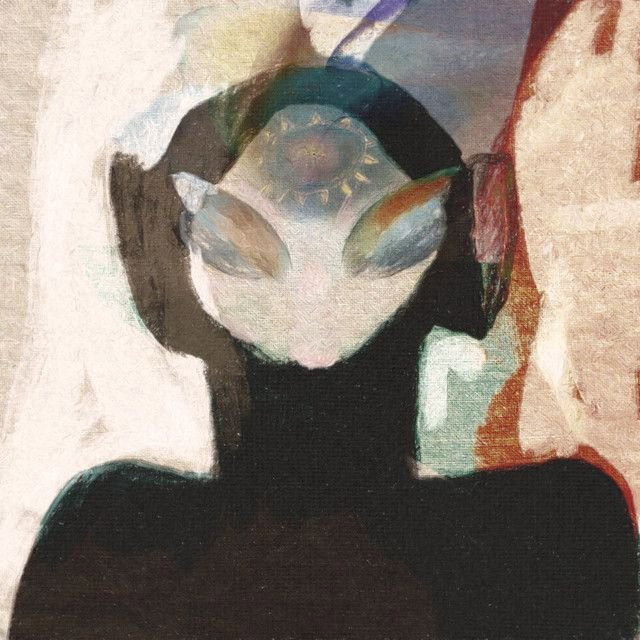
Candy Truck / You Expected: LAB Your Result: Green by Bring Me the Horizon
The meaning of Candy Truck / You Expected: LAB Your Result: Green Bring Me the Horizon sits somewhere between a memory, an argument, and a mental blur. Bring Me the Horizon often mix beauty with discomfort, and this song does exactly that. It opens with a strange spoken exchange about a truck, candy, and dancing, then slides into a hook about someone feeling unknown and far away.
"Candy Truck / You Expected: LAB Your Result: Green" - Bring Me the Horizon
I know, but does he? Talk to me
Dancing where?
Loading lyrics...
Unable to load lyrics
We're unable to display the lyrics at this time. Please try again later.
At its core, the song seems to explore disconnection. The words feel scattered on purpose. They sound like someone trying to recall something harmless, yet the tone never feels fully safe or calm. That tension is where much of the song’s meaning lives.
A Sweet Image That Feels Off
The first part of the track circles around the image of a candy truck
. On paper, that sounds playful. But the way the conversation unfolds makes it feel foggy and uneasy instead of joyful.
The speaker does not seem fully sure of what happened. They say they do not remember much, only bits and pieces. That fragmented recall matters. It suggests that the truck is less a literal object and more a symbol of confused memory, temptation, or a story repeated until it loses shape.
Interpretation: the candy may represent a reward that distracts from something deeper. The line about getting help in exchange for candy adds to that unsettled feeling. The song never explains the scene clearly, and that is likely the point.

Watch the official Candy Truck / You Expected: LAB Your Result: Green
music video
When the Song Turns Toward Distance
After the spoken section, the emotional center becomes much clearer. The repeated plea to change your tune
sounds like frustration with someone who keeps saying the same hurtful thing or refusing to understand. Soon after, the song lands on I'm feeling like I don't know you
.
That phrase gives the track its real emotional weight. The earlier images may be abstract, but this line is plain. They are dealing with someone familiar who now feels unfamiliar. The repeated idea of being so far away
turns that confusion into separation.
This is why the track feels sad even when its images are surreal. Beneath the odd title and dreamlike opening, it is a song about connection failing.
How the Two Halves Fit Together
One of the most interesting things about the song is how its spoken intro and sung hook seem unrelated at first. But they connect through instability.
The opening section is unstable because memory is unstable. The later section is unstable because the relationship is unstable. In both halves, the speaker is trying to grasp something that keeps slipping away.
A simple way to read the structure is this:
- First, there is a confused story with missing pieces.
- Then, there is a direct emotional complaint.
- Together, they create a portrait of a mind that cannot sort feeling from memory.
Interpretation: this could reflect dissociation, an argument replayed in fragments, or a breakup where even ordinary memories start to feel strange.
The Sound Helps Tell the Story
Bring Me the Horizon are known for moving between metal, pop, electronic, and experimental sounds across their catalog, especially during the Jordan Fish era. Fish and Oliver Sykes are credited as writers here, and that pairing often favored glossy hooks with emotional unease.
Even without heavy lyrical detail, the production carries meaning. The repetition feels hypnotic. The melody loops in a way that mirrors obsessive thought. Instead of building toward a neat answer, the track circles around the same emotional wound.
The vocal delivery also matters. The sung parts do not sound fully explosive or fully calm. They sit in a middle space, which matches the song’s mood: wounded, numb, and still searching. That contrast between catchy phrasing and unsettled content is classic Bring Me the Horizon.
A Relationship Song, or Something Darker?
The most grounded reading is that this is a relationship song. Someone keeps talking in a way that creates distance. The speaker wants change, but they no longer recognize the person in front of them.
There is also a more psychological reading. The strange dialogue, incomplete recall, and looping chorus can suggest a disturbed inner state rather than a simple conversation with a partner. In that version, the song is less about one person hurting another and more about a mind trying to process fractured experience.
Neither reading cancels out the other. In fact, the song works because it supports both. Many Bring Me the Horizon songs leave room for emotional ambiguity, allowing listeners to hear either a personal conflict or a broader mental-health struggle.
Why the Title Matters
The title itself is deliberately odd: Candy Truck / You Expected: LAB Your Result: Green. It sounds half clinical, half childish, half internet-glitch. That mash-up fits the song’s emotional world.
The phrase your result: green
suggests categorization, diagnosis, or a test outcome. Paired with the childlike candy image, it creates a clash between innocence and analysis. That clash mirrors the song’s whole design: sweet surface, troubled center.
The Real Takeaway
So what is the meaning of Candy Truck / You Expected: LAB Your Result: Green Bring Me the Horizon? Most likely, it is about emotional alienation told through broken memories and surreal symbols. The candy truck is not there just to be random. It helps create a world where comfort and discomfort blur together.
By the time the chorus repeats, the message feels clear: something close has become distant, and something once known now feels hard to trust. That is why the song lingers. It does not explain itself neatly. It lets confusion become part of the meaning.
Disclaimer: This article offers interpretation based on the lyrics and known artist context. Songs can hold different meanings for different listeners.








