
Inside Buddy Guy’s Boozy Barroom Portrait
Buddy Guy has spent decades turning everyday scenes into vivid blues stories. In the meaning of Whiskey, Beer & Wine Buddy Guy, the everyday scene is a dive bar: loud, dim, a little worn down, and full of people trying to make life feel lighter for one night.
"Whiskey, Beer & Wine" - Buddy Guy
That bucket of blood
Staying open 'til four
Loading lyrics...
Unable to load lyrics
We're unable to display the lyrics at this time. Please try again later.
This song is not really about drink brands. It is about what a bar represents in blues culture: escape, fellowship, memory, and trouble all mixed together. The narrator walks listeners through a place where pain can be softened, even if it cannot truly be cured.
The Real Heart of the Song
At its core, the song paints a room where working people come to forget stress. The details are concrete and funny, but they also carry weight. A sign on the door, a shaky stool, a cigarette machine, cold bottles, dice in the back: each image builds a world where rough living feels normal.
The hook, Whiskey, beer, and wine
, works like both a menu and a life philosophy. In plain terms, the song says this bar offers only a few things, but those few things stand in for comfort, release, and shared ritual. That is the central meaning of Whiskey, Beer & Wine by Buddy Guy: simple pleasures become temporary medicine.
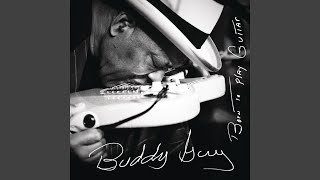
Watch the official Whiskey, Beer & Wine
music video
A Barroom That Feels Like a Character
The setting matters as much as the singer. Early lines describe a place with a great big neon sign
and a room kept low and dark. That does two things at once. It makes the bar easy to find from outside, but once inside, it turns private and protective.
This is classic blues geography. Buddy Guy, a key figure in Chicago blues, often connects emotion to place, and that tradition runs through his catalog and career at the Rock Hall. Here, the bar is not glamorous. It is worn, almost funny in its shabbiness. Yet that roughness makes it believable.
Interpretation: the room feels safe because it asks so little. No one in it has to pretend they are doing fine.
How the Verses Build the Meaning
The song moves like a slow walk through the room.
- First, it introduces the outside and the bar’s basic promise.
- Then, it zooms in on the furniture and machines.
- Next, it shows the cold drinks and late-night haze.
- Finally, it lands on the gamblers, memories, and invitations to join in.
That structure matters. Rather than making one big emotional speech, the song stacks small details until the listener understands the emotional truth. The line about solving problems one drink at a time
is a joke on the surface, but it also reveals the song’s tension. The people here know alcohol is not a real fix. They still want the relief.
Humor, Nostalgia, and Warning at Once
One reason the song works is its balance of tones. It is funny. It is warm. It is also a little sad.
When the narrator recalls the good ol' days
, they are not praising a perfect past. They are praising a familiar ritual. That is different. The memories sound affectionate, but not innocent. This world includes numbing out, wasting time, and getting reckless.
You can fix anything
overwhiskey, beer, and wine
That brief refrain captures the song’s double edge. On one level, it is barroom wisdom. On another, it is clearly an exaggeration people tell themselves. The song lets both meanings exist at once.
Buddy Guy’s Delivery Sells the Story
Buddy Guy did not write this alone; the song is credited to Buddy Guy and Tom Hambridge, a frequent collaborator on later Buddy Guy records listed by AllMusic. That partnership helps explain the song’s shape. Hambridge often writes blues songs with sharp scenes, strong hooks, and space for personality.
The production supports that approach. Even without overcomplicating the arrangement, the band likely aims for a live-bar feel: steady groove, punchy drums, blues guitar fills, and a vocal that sounds like storytelling more than polished pop singing. Buddy Guy’s voice is key. He can sound amused, sly, and worn down within the same verse.
That matters for interpretation. If these lyrics were sung too seriously, the song might feel preachy. If they were sung only for laughs, it might feel shallow. Buddy Guy keeps both the fun and the weariness in play.
Symbols Hidden in Plain Sight
Several objects act like symbols without becoming abstract.
The drinks as “medicine”
The narrator invites others to taste their medication
. In simple terms, that means alcohol is being framed as a remedy. The song knows that remedy is temporary, but it also knows why people reach for it.
The back-room dice game
The gambling table suggests risk beyond the bottle. People are not just drinking away worry. They are betting against it, too. That deepens the portrait of people chasing luck, change, or numbness.
The low light
Darkness in the room suggests privacy, denial, and comfort. It hides flaws. It also lets memory blur into myth.
Is the Song Celebrating Drinking?
Partly, yes—but not blindly. The song enjoys the culture of the bar: the jokes, the habits, the social bond, the music-friendly setting. That pleasure is real.
Still, the lyrics also show limits. The phrase waste your mind
points to the cost. So does the repeated claim that drinks can solve anything. In blues songs, overstatement often carries truth and critique at the same time.
Interpretation: the song celebrates the feeling of relief, not the idea that relief lasts.
Why the Song Fits Buddy Guy So Well
Buddy Guy has long represented a bridge between old-school blues tradition and modern recording. A song like this suits him because it trusts storytelling over abstraction. It also honors the blues bar as a social space, not just a stage.
For U.S. listeners especially, the song may feel familiar because it taps into a recognizable image: the neighborhood place where people laugh hard, stay late, and try to drink past disappointment. That image is older than rock and central to many blues narratives.
Final Take on the Meaning
The meaning of Whiskey, Beer & Wine Buddy Guy is less about alcohol itself than about the human need to ease pain with company, ritual, and a little self-deception. The song sees the bar clearly: shabby, funny, tempting, and emotionally useful.
Its smartest move is refusing to choose between affection and criticism. It knows this world can feel like healing, even when it is not. That tension gives the song its blues truth.
Disclaimer: This interpretation is based on the lyrics, performance, and available song context. As with many blues songs, meanings can vary from listener to listener.







