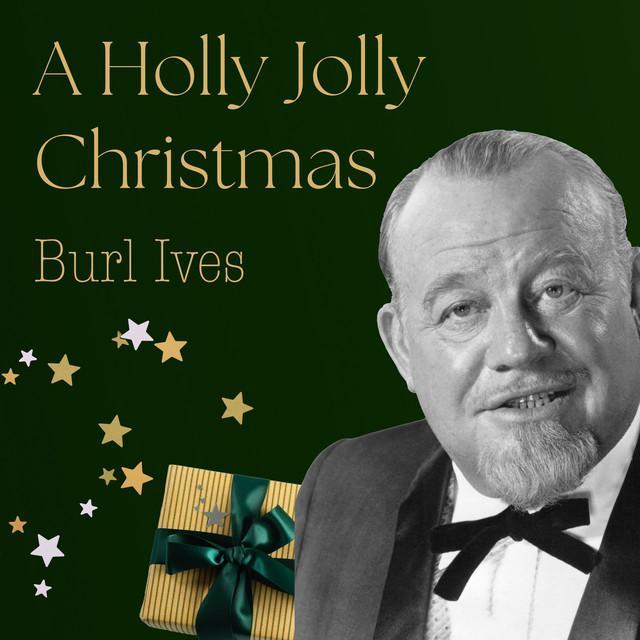
Rudolph The Red-Nosed Reindeer by Burl Ives
They know the story by heart, but the meaning deepens with age: a misfit becomes a leader the moment their difference is needed most. In Burl Ives’s beloved rendition, the tale plays like a fireside fable about dignity, recognition, and community during the holidays.
"Rudolph The Red-Nosed Reindeer" - Burl Ives
Comet and Cupid and Donner and Blitzen
But do you recall the most famous reindeer of all?
Loading lyrics...
Unable to load lyrics
We're unable to display the lyrics at this time. Please try again later.
Why This Old Tale Keeps Shining
At its core, the meaning of Rudolph The Red-Nosed Reindeer Burl Ives is about inclusion. A reindeer with a shiny nose
is mocked, then celebrated when that very trait saves Christmas. The narrative invites kids—and adults—to see how a visible difference can be an asset, not a flaw.
Historically, Rudolph began as a 1939 booklet character by Robert L. May, later adapted into a 1949 hit song by Johnny Marks. Burl Ives reintroduced the story as the genial narrator-singer of the 1964 TV special, helping cement the song as a seasonal standard. These facts explain why Ives’s version feels definitive: it’s the sound of the tale many Americans grew up with.
Watch the official Rudolph The Red-Nosed Reindeer
music video
Who’s Telling the Story, and Why It Matters
The song uses a third-person narrator who observes rather than complains. Even phrases like say it glows
and reindeer games
come across as gentle, storybook details rather than sharp barbs. That choice keeps the tone kind and singable while still naming the problem: exclusion.
Interpretation: The narrator’s calm distance allows families to discuss teasing without the song feeling bitter. It models empathy and a path to repair.
The Story in One Sleigh Ride
Here’s the arc, beat by beat:
- Roll call sets the world of Santa’s team.
- Rudolph’s difference is visible; peers exclude him.
- A crisis: visibility drops, and the mission is at risk.
- Authority recognizes unique value.
- The community reframes Rudolph as a hero.
The turning point arrives with Santa’s entrance:
Then one foggy Christmas Eve Santa came to say
A request follows—guide my sleigh tonight
—transforming a liability into leadership. The final celebration hints at legacy with go down in history
, turning private pain into shared pride.
Symbols That Light the Way
- The red nose: Difference, stigma, then purpose. It begins as a mark of otherness and becomes a literal beacon.
- Fog and night: Obstacles that make special abilities necessary. Without the storm, the community might never see Rudolph’s worth.
- Sleigh and team: Society at large. When the team embraces everyone’s gifts, the mission succeeds.
Interpretation: The song quietly argues for inclusive leadership. Santa’s choice shows how institutions can uplift outsiders by recognizing real-world needs over tradition or appearances.
What Burl Ives Brings Musically
Burl Ives’s version is mid-tempo, major-key, and warmly orchestrated. Sleigh bells, strings, and light choral responses support his steady baritone. The melody moves in friendly steps, making it easy for children to sing and for families to hum along.
Interpretation: The arrangement softens a story about teasing into a reassuring ritual. Ives sounds like a trusted elder—someone who can acknowledge hurt yet steer the room toward celebration and belonging.
Cultural Footprints and Longevity
Rudolph has been a part of American holiday culture for decades through story, song, and the 1964 TV special narrated by Ives. Over time, the character became a symbol of the season—proof that a simple children’s tale can carry a broader social message without losing joy. Even scheduling shifts and new broadcasts keep renewing its audience, underscoring how this message still fits today.
Alternate Readings Worth Considering
- Interpretation: A meritocratic fable. Rudolph is accepted only when useful in a crisis—raising the question of why kindness waited. Listeners might use this angle to discuss unconditional inclusion.
- Interpretation: A resilience story. The focus is on self-worth and the patience to wait for the right moment. Rudolph’s glow is always there; the world just needs to catch up.
Final Sleigh-Bell Takeaway
In Burl Ives’s telling, Rudolph is more than a cute character. He is a lesson in how communities can change, how leaders can model inclusion, and how a child’s visible difference can become a communal strength. That’s why, each December, the song still feels like a gentle promise that everyone belongs.
Disclaimer: Song meanings are interpretive and reflect cultural context, available history, and reasonable analysis of lyrics and recordings.







