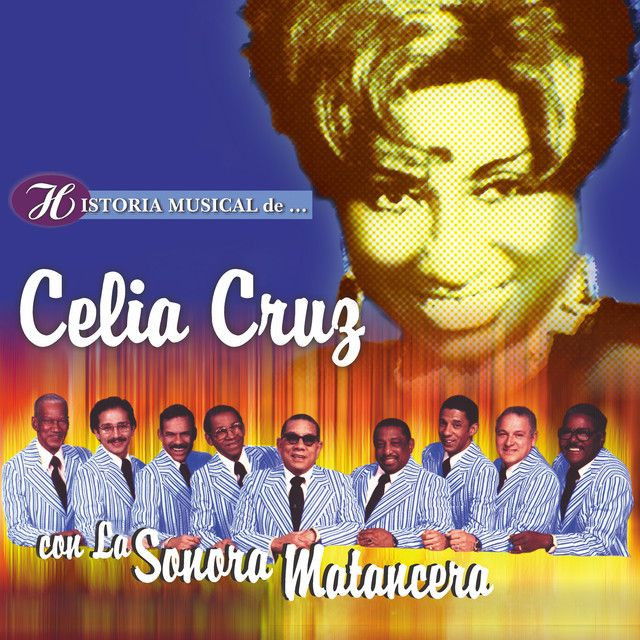
Cao Cao Mani Picao by Celia Cruz
The title alone sounds like a street cry turned into a party. That’s the point. Celia Cruz and her band fold everyday Havana noise into a communal chant and a statement of joy. This guide breaks down the meaning of Cao Cao Mani Picao Celia Cruz for listeners who want more than just the groove.
"Cao Cao Mani Picao" - Celia Cruz
Maní picao', cao, cao
Cao, cao, cao
Loading lyrics...
Unable to load lyrics
We're unable to display the lyrics at this time. Please try again later.
Street Cries Become an Anthem of Joy
At its core, the song turns Havana’s street hustle into music. The hook—often delivered as a chant—echoes the calls of peanut vendors and the quick hits of percussion. In one breath, it celebrates what the crowd wants: Lo quiere la gente
.
Interpretation: The chorus makes a simple claim—people like what feels good, and they will dance to it. By repeating community approval, the track blurs the line between performer and audience. It’s a feedback loop of energy.
Cao, cao, cao Maní picao’, cao, cao
The multi-syllable “cao” lands like drum strokes. It’s less a word and more a rhythm. In that sense, language itself becomes percussion.
Watch the official Cao Cao Mani Picao
music video
A Voice That Won’t Be Policed
The verses shift from the crowd to a proud first-person stance. When the singer fires back with Yo vivo mi vida
and A ti qué te importa
, they draw a line against gossip and control. The message is plain: mind your business; I’ll live mine.
Interpretation: This is more than feisty attitude. In mid-century Cuban popular music, swagger often masked real constraints—gender roles, social norms, and censorship. Here, the narrator claims space in public, on the dance floor and beyond, through rhythm and will.
Peanut, Rooster, and “Tabla”: Everyday Symbols, Big Feelings
Maní picao’
points to street peanuts—snack-size, cheap, and everywhere. By centering a vendor cry, the song honors working-class hustle while making it danceable.Quiquiriquí picao’
riffs on the rooster’s crow. Roosters mean dawn, noise, neighborhood life. Interpretation: it’s a wake-up call—get up and move.Arriba e’ la tabla
likely nods to wooden planks of a stage or dance floor. Interpretation: step up to the boards; the show is on.
These images carry rhythm inside them. You can almost hear the paper cones of peanuts rustling, the rooster cutting the morning air, the boards shaking under feet.
How the Band Tells the Story Without Words
Celia Cruz came up singing guarachas and son with punchy brass, rippling piano montunos, congas, and timbales. The arrangement here leans on call-and-response: a tight coro answers the lead, while percussion drives a forward lean. Bright horns punctuate phrases like exclamation points.
Interpretation: The music mirrors the lyrics’ push-pull between crowd and individual. Short, repeated riffs match the short, repeated phrases. Every section feels like a street corner turning into a block party. Celia’s attack—crisp consonants, agile melisma—cuts through the ensemble with confidence.
A Quick Walk Through the Action
- The hook lands: the chant creates instant motion and invites clapping.
- The crowd affirms it:
Lo quiere la gente
turns approval into momentum. - The singer claims autonomy:
Yo vivo mi vida
rebuffs meddling. - Street-life color floods in: peanuts, rooster, wooden boards—daily life set to clave.
- The chant returns, now bigger, binding everyone in the room.
Repetition With Purpose
The refrain isn’t filler. In Afro-Cuban tradition, repetition is a tool—grooves deepen, and dancers lock into the clave. The looped chant creates collective focus. Interpretation: By repeating what the people want, the song turns taste into power. If the barrio says it’s hot, it’s hot.
Alternate Readings That Still Dance
- Independence anthem: The lines about living one’s life frame the song as a small act of freedom. The street cry becomes a banner: everyday joy resists control.
- Pure party starter: Stripped of subtext, it’s a vendor-cry-meets-rumba, engineered for dancing and call-and-response. Both readings can be true at once.
Why It Still Hits in the U.S. Today
For new listeners stateside, the meaning of Cao Cao Mani Picao Celia Cruz lands on two levels. First, it’s a kinetic masterclass in groove—easy to clap along, easy to sing. Second, its message is timeless: the crowd decides what moves them, and no outsider gets to shame joy.
Even without knowing Spanish, listeners catch the attitude in the phrasing and the lift of the horns. With a few phrases—peanuts, rooster, the boards—the song paints a scene anyone can feel: the moment a sidewalk turns into a dance floor.
Takeaway and Gentle Disclaimer
In short, this track turns simple street images into a declaration of freedom and fun. It’s small-scale poetry with a giant beat.
Interpretation note: Meaning is always filtered through history, performance, and listener experience. This reading is one informed take; other valid interpretations may differ.







