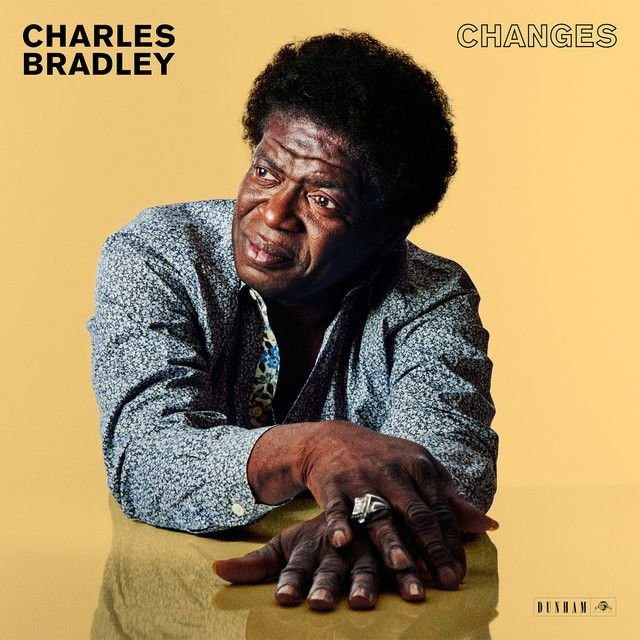
Changes by Charles Bradley
Charles Bradley did not write "Changes," but they made it sound like a life story. That is the key to the meaning of Changes Charles Bradley: a song about regret, grief, and emotional growth becomes even heavier when sung by an artist known for turning pain into soul testimony.
"Changes" - Charles Bradley
I feel so sad
I have lost the best friend
Loading lyrics...
Unable to load lyrics
We're unable to display the lyrics at this time. Please try again later.
Originally written by Black Sabbath, the song was remade by Bradley for the 2016 album Changes, released on Daptone/Dunham and produced by Thomas Brenneck. In Bradley's hands, the track stops feeling like classic rock drama and starts feeling like lived sorrow.
A Breakup Song That Sounds Like Mourning
At its core, the song is about someone facing the cost of losing a great love. The speaker does not just feel lonely. They feel responsible. Early lines describe deep sadness and the loss of a partner who was also a best friend. When the singer admits I let her go
, the song moves from pain to guilt.
That is why the chorus matters so much. The repeated line going through changes
sounds simple, but it carries two ideas at once:
- They are suffering through a breakup.
- They are being forced to change because of it.
The phrase is not hopeful at first. It sounds like survival. Change here is not self-help language. It is what happens when life breaks open.
Watch the official Changes
music video
How the Story Unfolds Line by Line
The verses move in a clear emotional timeline. First comes shock and confession. Then comes memory. Finally comes regret.
In the opening section, the speaker names their sadness without hiding behind metaphor. That plain style makes the song hit harder. They lost someone important, and they know their own actions played a part.
The second verse looks back on shared time. The idea of building a life together is central. When the song says they shared the years
, it suggests a bond shaped by routine, trust, and history. That makes the separation feel larger than a normal breakup. A whole world has been damaged.
Then the song introduces outside pressure: the world had its evil way
. This does not erase personal blame, but it widens the frame. Love failed because of both inner weakness and outer forces. Pride, distraction, pressure, or bad choices may all be part of the collapse.
The Chorus as Emotional Center
Bradley's version makes the chorus feel like a cry rather than a statement. On paper, the words are spare. In performance, they sound torn open.
I'm going through changes
in my life
This brief refrain works because it is broad enough to hold many kinds of pain. A breakup is the clear storyline, but the words can also speak to aging, grief, poverty, illness, or any moment when a person no longer recognizes their own life.
Interpretation: In Bradley's hands, the chorus suggests more than romantic loss. It feels like a man taking stock of damage that has built up over years.
Why Charles Bradley's Life Changes the Song
Bradley was celebrated for singing with raw emotional force after a long, difficult road to fame. Their third album Changes received strong reviews, including a Metacritic score of 80, and critics often praised how real their voice felt. AllMusic described the music's realism as almost tactile, while Pitchfork called the album their most straightforward set.
That reception matters because Bradley's persona shaped how listeners heard this cover. They were not known as a cool, distant vocalist. They sang like every line cost something. So when they reach lines about hearing last goodbyes
and wanting to turn back time, the performance feels less like acting and more like witness.
This is also why the song crossed into wider culture, later appearing as the theme for Big Mouth. Even outside the album, the recording carried a strong emotional identity.
The Sound Turns Rock Ballad Into Soul Testimony
The arrangement is crucial to the meaning of Changes Charles Bradley. Black Sabbath's original was already tender, but Bradley's version deepens the soul side of the song.
Produced by Thomas Brenneck, the recording uses a slow tempo, warm organ tones, restrained drums, and rich horn color from players tied to Daptone's retro-soul world. Instead of pushing toward rock catharsis, the band leaves space around the vocal. That space lets each cry, pause, and rough edge land.
Bradley's voice is the center of gravity. They do not sing with polished control alone. They strain, plead, and crack in ways that underline the lyric. When the song reaches it hurts so bad
, the line does not feel decorative. It feels physically felt.
Main Themes Beneath the Surface
Several themes drive the song:
- Regret: The speaker knows they helped cause the loss.
- Memory: Shared years keep returning, making healing harder.
- Change through pain: Growth is happening, but unwillingly.
- Blindness: The heart was once unable to see clearly.
- Irreversibility: They want to undo the past, but cannot.
One striking motif is time. The song keeps measuring life in years, days, and remembered farewells. That focus makes the loss feel permanent. This is not just one bad night. It is a whole chapter that cannot be rewritten.
A Few Plausible Readings
Interpretation: The most direct reading is romantic: they lost a partner through neglect or bad decisions.
Interpretation: A wider reading hears the song as grief for any loved one, especially because Bradley sings it with such mournful weight. The wording supports breakup, but the emotion reaches beyond that.
Interpretation: Some listeners may even hear a spiritual dimension. The language of being changed by suffering fits soul and gospel traditions, where pain becomes a doorway to self-knowledge.
Why the Song Still Lands
The lasting power of this performance comes from its honesty. The words are simple, but the emotion is not. Bradley and the band turn a familiar song into a meditation on what happens after people understand their mistake too late.
For many listeners, that is the real meaning of Changes Charles Bradley: not just heartbreak, but the painful moment when loss forces a person to become someone new.
Disclaimer: This interpretation mixes established facts about the recording with informed reading of the lyrics and performance. Songs can support more than one meaning.







