Why "San Antone" Means Escape, Not Travel
The meaning of Is Anybody Goin' to San Antone Charley Pride starts with a simple country setup: a person out on the road, hurt, cold, and trying to get away. But the song lasts because its story is bigger than one breakup. It turns travel into emotional survival.
"Is Anybody Goin' to San Antone" - Charley Pride
Sure is cold today
Here I am walking down 66th
Loading lyrics...
Unable to load lyrics
We're unable to display the lyrics at this time. Please try again later.
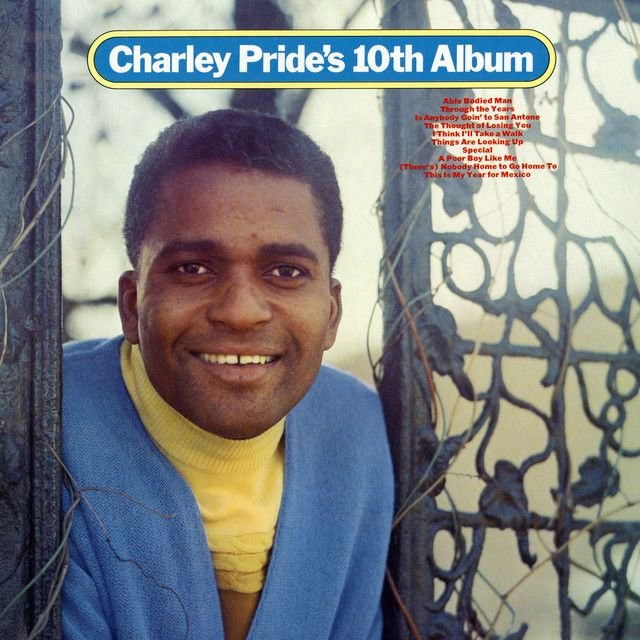
Released in February 1970, Charley Pride's version became a major hit, spending two weeks at No. 1 on the U.S. country chart and appearing on Charley Pride's 10th Album. It was written by Dave Kirby and Glenn Martin, recorded at RCA Studio B in Nashville, and produced by Jack Clement, according to the available chart and recording history listed by reference sources such as Wikipedia.
A Breakup Song Disguised as a Road Song
At the center of the song is a narrator who has left home after a relationship goes wrong. The opening images place them outside in bad weather, with rain dripping
and the day feeling bitterly cold. That is not just scene-setting. It shows that the emotional damage is now physical too.
The key choice in the lyric is striking: the narrator would rather sleep rough than stay in the comfort of home. When the song contrasts a roadside stop with a king size bed
, it makes the point clearly. Home may look safer from the outside, but emotionally it has become unbearable.
Interpretation: this is why the song feels so strong. It is not just about sadness. It is about choosing discomfort over humiliation, confusion, or repeated hurt.
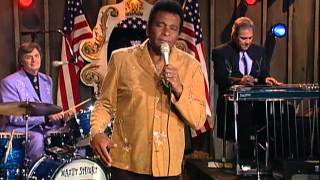
Watch the official Is Anybody Goin' to San Antone
music video
The Chorus Turns Geography Into Freedom
The chorus asks whether anyone is heading to San Antone
or Phoenix Arizona
. On the surface, that sounds like a hitchhiker looking for a ride. In meaning, though, those places matter less than the act of leaving.
The song even says almost any destination will do, so long as it helps the narrator forget the woman they are fleeing. That detail is essential. The real goal is not San Antonio. It is distance.
Why these cities matter
San Antonio and Phoenix both suggest wide-open space, motion, and the American Southwest. In a country song, those names carry a feeling of horizon and possibility. They sound far enough away to promise a reset.
Interpretation: the cities function like emotional placeholders. They are not dream destinations. They are exits.
Verse by Verse, the Story Gets Clearer
The song moves in a clean narrative line:
- The narrator is already out on the road.
- They describe the cold and rough conditions.
- They reveal that life at home felt worse.
- They ask for a ride anywhere away from the past.
- They resist the pull of going back.
That final turn matters. Near the end, the song suggests the woman may soon want them back. Yet the narrator says they will still be gone. This gives the song backbone. It is not just a wounded reaction in the moment. It becomes a decision.
The Best Lines Show Pride, Not Self-Pity
One of the song's smartest moves is how little it explains. There is no long account of what happened in the relationship. Instead, the lyric uses physical details, like the wind down the neck
of the shirt, to let listeners feel the hardship.
That restraint keeps the song from becoming melodrama. The narrator sounds bruised, but not broken. They do not beg. They do not bargain. They keep moving.
Is anybody goin' to San Antone
Or Phoenix Arizona?
Anyplace is alright as long as I
Can forget I've ever known her
This is the emotional core of the song. The wording is plain, but that simplicity is what gives it force. The narrator is not chasing revenge or closure. They just want enough distance to think and breathe again.
How the Sound Supports the Meaning
Charley Pride's recording is often described as part of the countrypolitan style, a smoother Nashville sound that mixed traditional country feeling with polished production. Reference summaries note upbeat strings and melodic backing vocals around the song's traditional country lyric.
That contrast is part of the appeal. The arrangement moves briskly, and Pride sings with control rather than collapse. The result is important: the performance sounds wounded, but steady. It mirrors someone who has been hurt and has still chosen action.
Charley Pride's voice as the anchor
Pride had a gift for making plainspoken songs sound personal without oversinging them. Here, that balance matters. If the vocal were too dramatic, the song might feel theatrical. Instead, it feels lived-in.
The production by Jack Clement also helps. The record is short, about two minutes and change, and wastes nothing. That efficiency matches the lyric's mindset: no speeches, no lingering, just go.
Songwriting Background Adds One More Layer
Songwriter Glenn Martin recalled that he and Dave Kirby wrote the song while traveling, saying, briefly, that we wrote it in the car
and later Charley cut it, as quoted by American Songwriter. That origin fits the song's movement. Even before it became a hit, it was born in transit.
The same reporting also notes that Doug Sahm later recorded the song, which shows how adaptable its idea is. Whether sung by Pride or another artist, the core emotion stays intact because the writing is so direct.
Why the Song Still Connects
The meaning of Is Anybody Goin' to San Antone Charley Pride endures because it captures a feeling many listeners know: the moment when staying hurts more than leaving. The road is cold, uncertain, and lonely. Still, it feels cleaner than the life being left behind.
That is the song's lasting truth. Freedom does not arrive as joy here. It arrives as motion.
Interpretation disclaimer: This article offers a good-faith reading of the song based on its lyrics, recording context, and documented history. As with all art, listeners may hear different meanings in it.








