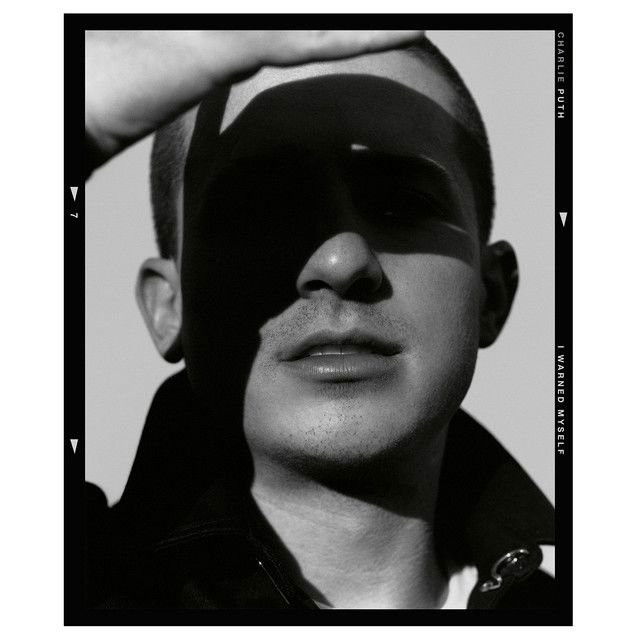
Why 'I Warned Myself' Feels So Addictive
The meaning of I Warned Myself Charlie Puth comes down to one painful idea: they know a relationship is bad, but they keep going back anyway. That tension gives the song its sting. It is not a simple breakup track. It is about self-awareness without self-control.
"I Warned Myself" - Charlie Puth
But I can tell that I'll do it one more time
Don't trust in myself, (mm) no good for my health (mm)
Loading lyrics...
Unable to load lyrics
We're unable to display the lyrics at this time. Please try again later.
Released on August 21, 2019, as a standalone single, the song marked Charlie Puth’s return after Voicenotes and was written and produced with Benny Blanco, according to Songfacts and Wikipedia. Puth also explained that it is about a “vicious cycle” of returning to someone who is not good for you, as reported by Rolling Stone and NME.
A Hook About Knowing Better
At the center of the song is a brutal confession. The narrator says they already gave themselves a warning, yet they can still feel the relapse coming. When Puth repeats play with fire
and one more time
, he turns the chorus into a loop. The words sound like a decision, but also like surrender.
That is what makes the song hit so hard. It is not about being fooled once. It is about seeing the red flags and still moving toward them. The line no good for my health
makes the damage feel bigger than heartbreak. This person is not just upsetting them; the relationship is eating into their judgment.

Watch the official I Warned Myself
music video
The Story Inside the Verses
The verses add detail to the danger. They suggest secrecy, dishonesty, and emotional manipulation. In one part, the other person claims an earlier relationship is over. Later, that story falls apart. The narrator realizes too late that the promise was false.
That pattern matters because it shifts the song from pure temptation to toxic entanglement. This is not just a crush they cannot quit. It feels more like a situation built on half-truths, hidden motives, and pressure to stay silent.
Lies, Secrecy, and Control
One of the sharpest moments comes when the song recalls being told not tell anybody
. That detail changes the whole mood. Secrecy in pop songs can sound thrilling, but here it feels threatening.
The narrator starts connecting the dots: if there was truly nothin' to hide
, why keep everything hidden? That question exposes the song’s emotional trap. They were not only pulled by desire; they were also pushed into doubt, confusion, and fear.
What the Chorus Really Means
The chorus works because it is both a warning and a confession. On the surface, the narrator is trying to be responsible. Underneath, they already know they will fail.
I warned myselfI shouldn't play with fireI'll do it one more time
Those short phrases sum up the cycle. First comes insight, then temptation, then repetition. Interpretation: the real conflict is not between two people alone. It is between the narrator’s better judgment and their craving for the rush this person brings.
That is why the song feels so modern. It captures the kind of relationship people know they should leave, but keep reopening through texts, memories, or physical pull.
How the Sound Carries the Message
Production is a big part of the meaning of I Warned Myself Charlie Puth. Critics noticed its dark feel right away. The Fader praised the sticky hook and sparse, rumbling production, while NME highlighted the reverberating bass and dark beats.
That sound matters. The bassline does not feel warm or romantic. It feels tense and pressurized, almost like a pulse speeding up when someone knows they are making a bad choice. The beat leaves space around the vocal, which makes Puth sound isolated inside his own thoughts.
His vocal delivery also helps. He does not oversing the pain. Instead, he sounds controlled, almost numb at times, which fits the song’s emotional logic. This is not dramatic heartbreak after the fact. It is the cold realization that they are walking back into trouble while fully awake.
Charlie Puth’s Career Context
The song also shows a darker side of Puth’s writing after Voicenotes. Rolling Stone noted it was his first new music since that Grammy-nominated era. Around the same time, he was also writing and producing for other major pop acts, including Katy Perry and 5 Seconds of Summer, as NME reported.
That context helps explain why the song feels tight and deliberate. Puth leans into pop structure, but he strips away gloss. The result is catchy without sounding safe.
A Final Reading of the Song
Interpretation: the song is less about one villain than about the chemistry between weakness and temptation. The other person clearly lies and manipulates, but the narrator is equally haunted by their own inability to stop. That makes the song more relatable than a simple blame story.
In the end, “I Warned Myself” is about the awful gap between knowledge and action. They know the pattern, they name the danger, and they still step back into it. That is why the song lingers: it understands that some of the hardest mistakes are the ones people see coming.
Disclaimer: This interpretation is based on the released lyrics, credited context, and public comments from Charlie Puth. Like most songs, listeners may hear different meanings in it.







