Why Miranda Lambert Questions Home in ‘Settling Down’
The meaning of Settling Down Miranda Lambert starts with a simple tension: wanting a wide-open life and a safe place to land at the same time. In this song, they do not sing about romance as a fairy tale. Instead, they frame love as a real decision, one that asks whether freedom and commitment can live in the same heart.
"Settling Down" - Miranda Lambert
Should I look for rainbows or wait for the rain?
Is happiness on the highway? Or is it parked in the driveway?
Loading lyrics...
Unable to load lyrics
We're unable to display the lyrics at this time. Please try again later.
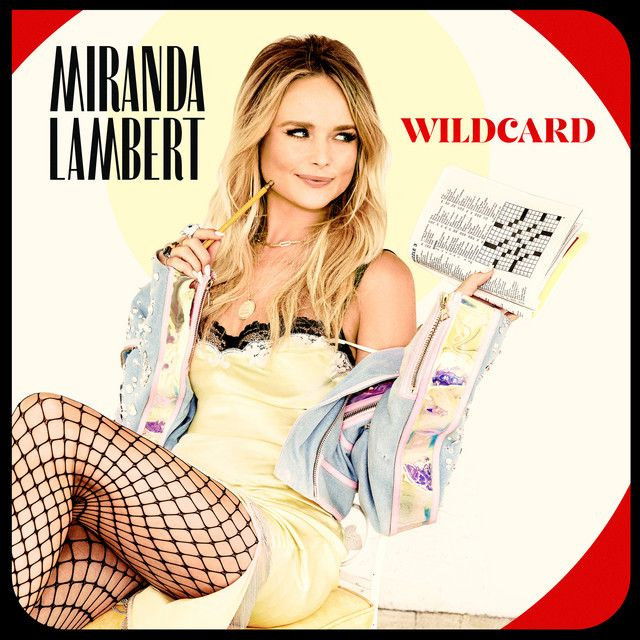
Released as a single from Wildcard in 2020, and written by Miranda Lambert with Luke Dick and Natalie Hemby, the song arrived during a period when Lambert was newly married and publicly balancing road life with home life. It was produced by Jay Joyce and became a Top 10 hit on both Billboard’s Country Airplay and Hot Country Songs charts. Those facts matter because the song’s emotional push-pull lines up closely with Lambert’s real moment in life.
The Song’s Big Question Is Bigger Than Romance
At its core, “Settling Down” is about identity. The narrator is not just asking whether they love someone enough. They are asking what kind of person they are allowed to be once love becomes serious.
The opening images compare movement and stillness, pleasure and patience, adventure and routine. The song wonders if joy lives out on the road or back at home. When they ask whether happiness is on the highway or in the driveway, the point is not that one is right and the other is wrong. The point is that both choices call to them.
That is why the chorus lands so well. The key phrase, settlin' up
or settlin' down
, turns a common saying into a deeper dilemma. They are not afraid of love itself. They are afraid of losing part of themselves in the process.

Watch the official Settling Down
music video
A Voice Pulled in Two Directions
One of the smartest things in the lyric is how often it uses opposites. The narrator calls themselves a wild child
and a homing pigeon
. In plain terms, they see themselves as both restless and loyal, both built for wandering and built for return.
That contrast makes the song feel honest. Many love songs promise certainty, but this one admits confusion. The line about one heart goin' both directions
captures the whole emotional center. They want roots, but they also want motion.
Interpretation: This is why the song feels larger than a marriage song. It speaks to anyone trying to build a life without giving up the version of themselves that still wants the horizon.
Images of Home That Still Leave the Door Open
The writing stays vivid without getting too complicated. Lambert and her co-writers use everyday images to show the life being imagined: a kitchen, bare feet, flowers, a garden, a fence. These are domestic details, but they are not presented as dull or limiting.
Instead, the song keeps stretching those homey pictures toward freedom. The narrator can imagine a garden, but they can also imagine travel. They can picture a fence, but only if it somehow wrapped around the world
. That phrase matters because it reveals the compromise they are searching for: a home big enough to include adventure.
One love and a couple of questions
Am I settlin' uporsettlin' down?
That short hook sums up the song’s emotional method. Love is present, but so are doubts. The doubts do not cancel the love; they prove the choice is real.
Real-Life Context Deepens the Meaning
The song’s background gives it extra weight. According to Songfacts, Lambert explained that they always had an itch for new adventure but also loved walking through their own front door. Songfacts also notes that her mother used to call her a “wild child and a homing pigeon,” which became a seed for the song.
Billboard also reported that co-writer Luke Dick described the track as being “full of paradoxes,” built around the conflict between a troubadour life and the desire for roots. That framing fits the lyric exactly. It also helps explain why the song resonated with listeners: it turns a celebrity’s touring-life problem into a very human one.
The music video reinforced that idea. Directed by Trey Fanjoy, it featured Lambert and her husband Brendan McLoughlin at her farm outside Nashville, with animals and domestic scenes that matched the song’s themes. In other words, the visual world of the song did not erase her wild side; it showed where it might rest.
How the Sound Supports the Story
Production plays a major role in the meaning of Settling Down Miranda Lambert. Jay Joyce gives the track a midtempo country feel that is warm, grounded, and lightly reflective. It does not rush, and that matters.
The acoustic texture and relaxed groove mirror the narrator’s thought process. This is not a dramatic breakup song or a loud celebration of romance. It sounds like someone thinking out loud on the porch, testing a future before stepping into it.
Lambert’s vocal delivery also helps. They do not oversing the idea. Instead, the performance stays conversational and calm, which makes the uncertainty feel mature rather than panicked. The song trusts small details and steady phrasing more than big climactic tricks.
Why the Song Endures
What makes “Settling Down” memorable is that it refuses a simple answer. It does not say home is better than freedom, or that romance fixes restlessness. It suggests that adulthood often means carrying two desires at once and learning not to be ashamed of either.
Interpretation: The song finally leans toward hope. The narrator sounds less like someone trapped and more like someone trying to design a life where love and independence can coexist. That is a subtle difference, but it is the heart of the song.
For many listeners, that is the lasting appeal. “Settling Down” understands that commitment is not always the end of wandering. Sometimes it is the place a wanderer chooses to return to.
Disclaimer: This interpretation is based on the released lyrics, documented song background, and musical context. As with any song, listeners may hear meanings that differ from this reading.









