Why “Doses & Mimosas” Hits So Hard
Cherub’s “Doses & Mimosas” sounds like a wild brunch-after-dark anthem at first. It is catchy, rude, funny, and built for a crowd. But the meaning of Doses & Mimosas Cherub goes deeper than a party soundtrack.
"Doses & Mimosas" - Cherub
I've had too much too drink
Had too much time to think
Loading lyrics...
Unable to load lyrics
We're unable to display the lyrics at this time. Please try again later.
Under the bright synth-pop surface, the song sketches a person who feels judged, overwhelmed, and emotionally stuck. Instead of dealing with that pain directly, they reach for substances, sarcasm, and open hostility. The result is a song that turns self-destruction into a hook, while also showing how empty that coping style can feel.
The Real Core of the Song
At its center, this is a song about escape. The speaker is not celebrating a carefree lifestyle in a simple way. They are trying to numb anxiety, social pressure, and inner frustration.
Early on, the narrator sounds mentally overloaded. They have had too much to drink and too much time alone with their thoughts. That combination matters. The song links intoxication with overthinking, then shows how both push the speaker toward emotional collapse.
When they mention that crying happens in private because of what they think
, the song points to shame and social judgment. That line suggests the problem is not only personal sadness. It is also the pressure of being seen, ranked, mocked, or misunderstood.

Watch the official Doses & Mimosas
music video
A Voice Lashing Out to Hide Hurt
One of the smartest parts of the writing is how anger covers vulnerability. The speaker sounds aggressive in the chorus, throwing insults at enemies, gossips, and social climbers. On the surface, that reads like defiance. But beneath it, the rage feels defensive.
Interpretation: the chorus is less about power than protection. By saying I hate you too
, the narrator flips rejection before others can wound them first. It is a classic shield: if they attack first, they do not have to admit they feel hurt.
That is why the song lands with so many listeners. It captures a messy emotional state many people recognize: they feel exposed, so they act detached; they feel judged, so they act cruel; they feel fragile, so they perform confidence.
The Chorus Turns Party Items Into Medicine
The title phrase is the song’s clearest symbol. Doses and mimosas
sounds playful and stylish, especially paired with brunch imagery and a danceable beat. But the items in the hook are not really luxuries here. They function like tools for survival.
The key line is help to get me through
. That wording makes the chorus darker. The substances are not framed as occasional fun. They are presented as supports, almost like emotional crutches. The song turns indulgence into a coping system.
That gives the track its tension. It is fun enough to sing along with, yet the content hints at dependence, avoidance, and burnout. The hook is memorable because it mixes glamour with damage.
How the Verses Build a Downward Spiral
The story moves in a loose but clear sequence:
- The speaker begins intoxicated and emotionally raw.
- They reveal social anxiety and private pain.
- They warn that
something’s gotta give soon
. - They turn toward substances and public hostility.
- By the next verse, daytime drinking has become routine.
That progression matters. The song does not present one reckless night. It suggests a pattern. By the time the narrator is drinking at ten in the mornin'
, the behavior feels less like partying and more like collapse disguised as fun.
Another striking moment is the complaint about language and emotional honesty. The speaker questions what communication is worth if people do not say what they really feel. That line briefly cuts through the bravado. It suggests they crave truth, even while hiding behind intoxication and insults.
Why the Sound Makes the Message Trickier
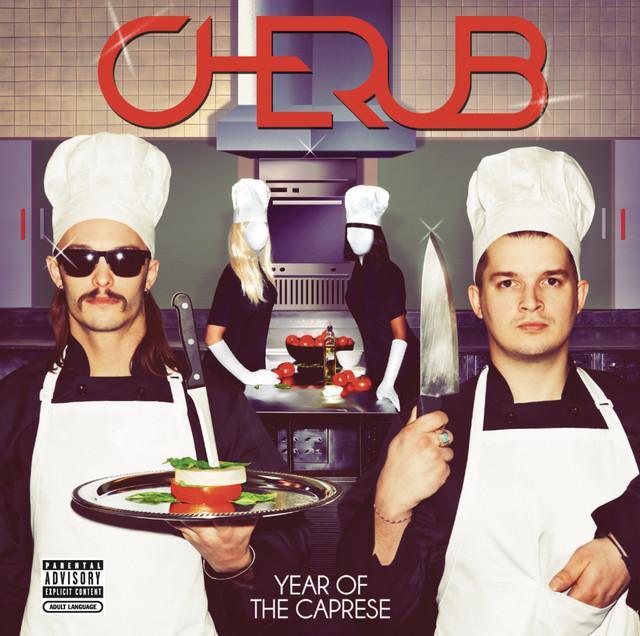
Cherub, the duo of Jordan Kelley and Jason Huber, built their reputation on slick, genre-blending pop that mixes electronic textures, funk, and alternative energy. “Doses & Mimosas,” from MoM & DaD, is a strong example of that style.
The production is crucial to the song’s meaning. The beat is bouncy, the synths are glossy, and the groove feels loose and inviting. That brightness creates irony. The music says celebration, while the lyrics suggest emotional erosion.
This contrast is why the song can be misread as simple hedonism. The track does not lecture the listener. Instead, it lets the pleasure of the sound sit next to the ugliness of the narrator’s state. In that gap, the song becomes more interesting.
Two Strong Ways to Read It
Reading One: A burnout anthem
Interpretation: the song is about a person using alcohol, drugs, and attitude to survive a social world they hate. In this reading, the hook is not triumphant. It is a confession dressed as a party chant.
Reading Two: A satire of cool-kid excess
Interpretation: the song may also exaggerate the language of nightlife culture to expose how shallow it can be. The references to status, gossip, and chemical escape make the whole scene look ridiculous as well as seductive.
Both readings can be true at once. The song sounds like it enjoys the chaos, but it also shows the cost.
Why the Song Still Connects
Part of the meaning of Doses & Mimosas Cherub is its honesty about ugly feelings people often hide. Envy, resentment, anxiety, and self-medication are not flattering subjects. Yet the song gives them a catchy, unforgettable shape.
It also fits a larger pop tradition: songs that use a great beat to carry a bad mood. That tension keeps listeners coming back. They can dance to it, laugh at it, or hear themselves in it.
In the end, “Doses & Mimosas” is not just about partying. It is about using partying to cover emotional noise that never really goes away. That is what gives the song its edge.
Disclaimer: This article offers interpretation based on the lyrics, recording, and available song context. Meanings can vary from listener to listener.








