Why 'No More Blue Horizons' Still Hurts
The meaning of No More Blue Horizons China Crisis comes down to one painful idea: they show a person who knows love is wrong for them, but cannot stop reaching for it anyway. The song is compact, but it carries a sharp emotional wound. It is about denial, longing, and the moment hope starts to disappear.
"No More Blue Horizons" - China Crisis
That's what I am
Because I close my eyes
Loading lyrics...
Unable to load lyrics
We're unable to display the lyrics at this time. Please try again later.
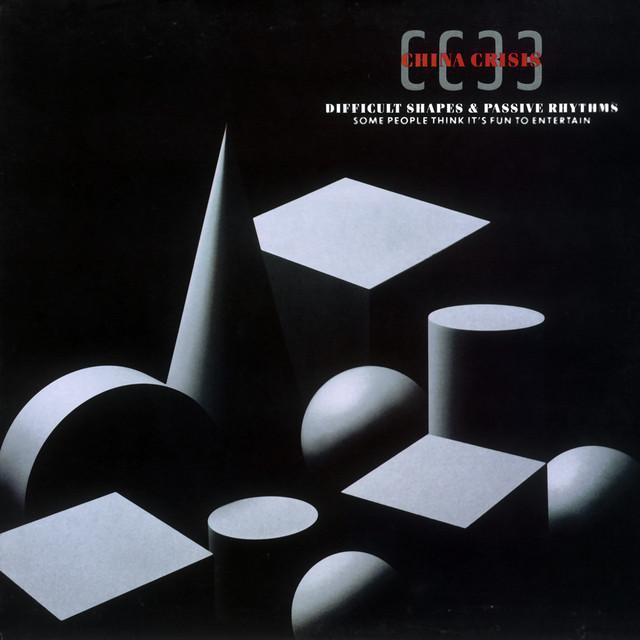
China Crisis emerged from Kirkby near Liverpool in 1979, led by Gary Daly and Eddie Lundon, and their early work blended new wave chill with ambient color and pop melody. Their debut album Difficult Shapes & Passive Rhythms, Some People Think It’s Fun to Entertain arrived in 1982, and No More Blue Horizons (Fool, Fool, Fool)
appeared during that first album campaign as an October 1982 single. In the band’s release timeline, it came between African and White
and the more commercially successful Christian
. Those facts place the song in China Crisis’ most fragile and experimental early period.[^1][^2]
A love song that does not trust itself
At the center of the lyric is someone who sees their own weakness too clearly. The opening self-judgment, fool, fool, fool
, matters because it frames the whole song as inward blame before outward blame. They are not only hurt by another person; they are hurt by their own refusal to face what is happening.
That idea continues when the narrator admits they close my eyes
. In plain terms, they know the relationship is unhealthy, but they choose not to confront the truth. This is not romantic blindness in a dreamy sense. It feels more like survival through avoidance.
Interpretation: the title suggests the collapse of idealism. “Blue horizons” sounds wide, calm, and full of possibility. Saying there are no more of them hints that the future once looked open and beautiful, but now it looks blocked.

Watch the official No More Blue Horizons
music video
The story inside the lyric
The song’s plot is simple, which is why it lands so hard. It unfolds in a few emotional beats:
- The narrator calls themselves a fool.
- They admit they ignore clear signs.
- They still offer love freely.
- The other person charms them and hurts them again.
- Night brings the truth they cannot escape.
The key turn comes with open up my arms
. That phrase shows willingness and vulnerability. They are still giving, still hoping, still making room for someone who does not protect them.
Then the song flips. The loved one’s appeal becomes a weapon: kill me with your charms
. This is not literal violence. It means attraction itself is the trap. What feels tender on the surface leads to repeated emotional damage.
Time and time again
can't hide this pain
Those two short lines capture the cycle. The narrator has lived this before, perhaps many times, and the suffering is no longer easy to disguise.
The line that changes everything
The most revealing moment is the late confession that they lie awake and hear the other person call someone else’s name. That image turns vague heartbreak into a specific kind of betrayal. It suggests infidelity, divided loyalty, or at least emotional absence.
This is why the song feels more bruised than simply sad. The narrator is not losing love to distance or bad timing. They are staying in a situation where they already know they are not the only one in the room, emotionally speaking.
Interpretation: this may be less about a literal affair than about emotional replacement. Even if the other name is symbolic, it shows the same truth: the narrator cannot fully possess the love they are begging for.
Why the sound feels so cold and intimate
China Crisis were known early on for synth-heavy arrangements shaped by post-punk restraint and Brian Eno-style atmosphere, before moving toward a richer sophisti-pop sound later in the 1980s.[^2] That context helps explain why this track’s emotional force likely comes from mood as much as wording.
Instead of a huge breakup anthem, the song works best as a controlled ache. The production style associated with the band’s early years often favors space, cool textures, and a slightly detached vocal delivery. That matters here. The music does not scream with pain; it lets pain hover.
For a song about denial, that is perfect. The arrangement can be heard as emotionally repressed on purpose. The narrator sounds trapped inside their own thoughts, not dramatically liberated by confession.
Where it fits in China Crisis' early story
This single belongs to the same creative stretch that produced the band’s debut album and set up their wider breakthrough. According to band history summaries, Difficult Shapes & Passive Rhythms reached No. 21 in the UK, while Christian
later rose to No. 12 and brought China Crisis broader national attention.[^1][^2] By comparison, No More Blue Horizons
is often described as less successful commercially, but that says little about its emotional quality.
In fact, its lower profile may be part of its appeal. It sounds like an early China Crisis song in the best sense: private, wounded, elegant, and slightly elusive.
Final takeaway under the fading sky
The meaning of No More Blue Horizons China Crisis is the end of romantic self-deception. They present someone who knows the truth, keeps loving anyway, and suffers because hope has outlived reality.
That is what makes the song memorable. It is not only about being betrayed; it is about helping the betrayal continue by refusing to let go.
Disclaimer: This interpretation is based on the released lyric, the song’s title, and documented career context. As with most songs, listeners may hear meanings that differ from this reading.
[^1]: Wikipedia, “China Crisis.” [^2]: Wikipedia, “Christian (song).”







