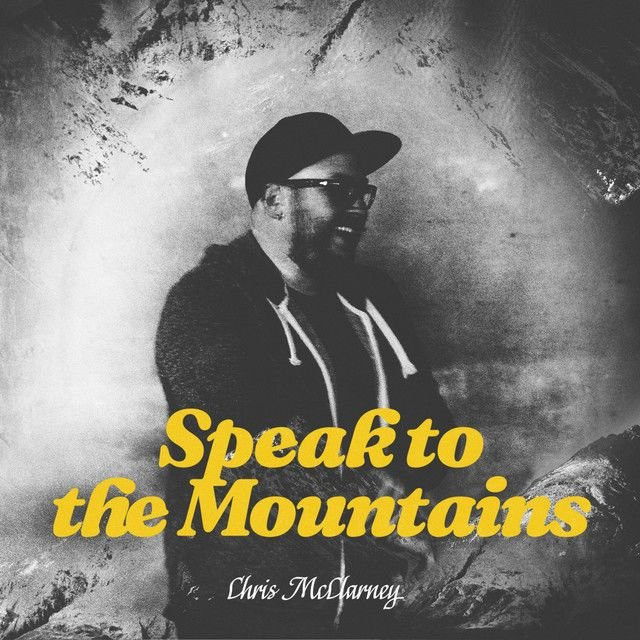
Speak To The Mountains by Chris McClarney
Why This Worship Song Hits So Hard
The meaning of Speak To The Mountains Chris McClarney centers on active faith. This is not a quiet song about private comfort alone. It is a worship anthem that tells believers to face fear, scarcity, and pressure with confidence in God's power.
"Speak To The Mountains" - Chris McClarney
When giants come calling my name?
My God is so much bigger than troubles I face
Loading lyrics...
Unable to load lyrics
We're unable to display the lyrics at this time. Please try again later.
At its core, the song says that trouble may be real, but it is not ultimate. The singer measures every threat against the size of God, and that comparison changes everything. Instead of spiraling into worry, they answer fear with praise and certainty.
Watch the official Speak To The Mountains
music video
The Big Idea: Faith Talks Back to Fear
The opening lines ask why anyone should live in dread when God is greater than any crisis. The lyric frames worry, hunger for status, and the chase for fame as signs of misplaced focus. In plain terms, the song argues that people look smaller when God looks bigger.
A key phrase is Why would I worry
. That is not denial. It is a challenge to anxious thinking. The song does not pretend pain is absent; it claims fear loses authority when faith takes the lead.
Another short phrase, power or riches or fame
, expands the message. The song is not only about suffering. It is also about temptation. It suggests that false sources of security can distract believers just as much as hardship can scare them.
What the Chorus Means When It Says to Move
The chorus gives the song its central image: speak to the mountains
. In Christian language, mountains often represent huge obstacles. Here, the singer does not beg the mountain to be smaller. They speak to it as something that must yield before God's strength.
This is where the song becomes especially energizing in a congregational setting. The line time to move
turns faith into action. The obstacle is no longer the loudest voice in the room.
My God is faithful
His promise is true
That brief moment explains the whole chorus. The command to the mountain is grounded in trust, not hype. Interpretation: the song teaches that bold spiritual language is only meaningful because it rests on God's character, not human willpower.
From Personal Fear to Cosmic Victory
The second verse widens the frame. The song moves from daily troubles to spiritual warfare, then to the center of Christian belief: Jesus' death and resurrection. When it says the battle is already finished, it presents victory as something secured by Christ, not earned by personal strength.
The phrase rose up on the third day
is crucial. It ties the song's confidence to Easter theology. In other words, the singer can speak against fear because death itself has already been defeated in the Christian story.
That shift matters. Without it, the song could sound like generic motivational music. With it, the message becomes clearly worship-based: believers are not trying to create victory by speaking; they are responding to a victory they believe has already happened.
The Repeated List of Impossibilities
Later, the song stacks up images of height, depth, fear, problems, and weapons. This repeated structure creates momentum and makes the message easy to sing as a group. Each line raises the stakes, then answers them with the same claim: nothing is beyond God's reach.
This is one reason the song works so well in modern worship. Its wording is simple, memorable, and built for repetition. That repetition is not filler. It functions like reinforcement, helping the congregation move from hearing a truth to internalizing it.
Interpretation: the long run of examples also reflects how anxiety works. Fear rarely arrives as one neat problem; it comes in layers. The song answers that pattern with layered reassurance.
How the Sound Supports the Message
Even without detailed production credits available here, the arrangement can be understood through the style Chris McClarney is known for in live worship settings. His songs often build from reflective verses into a large, communal chorus, with steady drums, swelling keys, and guitars that add lift rather than tension.
That shape fits this message perfectly. The quiet opening feels like a personal confession, while the bigger chorus sounds like a room full of people choosing courage together. As the repeated line about God being bigger, better, stronger
keeps returning, the music likely mirrors the lyric by growing more forceful and expansive.
This matters because worship songs do more than state ideas. They try to make those ideas felt in the body. A rising melody and fuller instrumentation can make confidence sound believable before a listener has even processed every word.
Artist Context and Why It Connects
Chris McClarney is known in contemporary Christian music for worship songs that blend personal devotion with church-ready anthems. That context helps explain why this song is direct, declarative, and easy to sing. It is built not just for listening, but for participation.
The writing team—Ben Cantelon, Chris McClarney, Jane Williams, and Whitney Taylor Medina—also points to a collaborative worship-writing approach. Songs like this are often designed to be theologically clear, emotionally immediate, and useful in congregational worship.
Final Take on the Song's Meaning
So, what is the meaning of Speak To The Mountains Chris McClarney? It is a song about refusing to let fear, desire, or suffering define reality. Instead, it calls believers to answer every looming obstacle with trust in a God who is stronger than anything in front of them.
Its message is simple but powerful: faith does not ignore the mountain. It faces the mountain and says it is not bigger than God.
Disclaimer: This interpretation is based on the lyrics provided and common Christian worship context. As with any song, listeners may hear personal meanings that differ from this reading.








