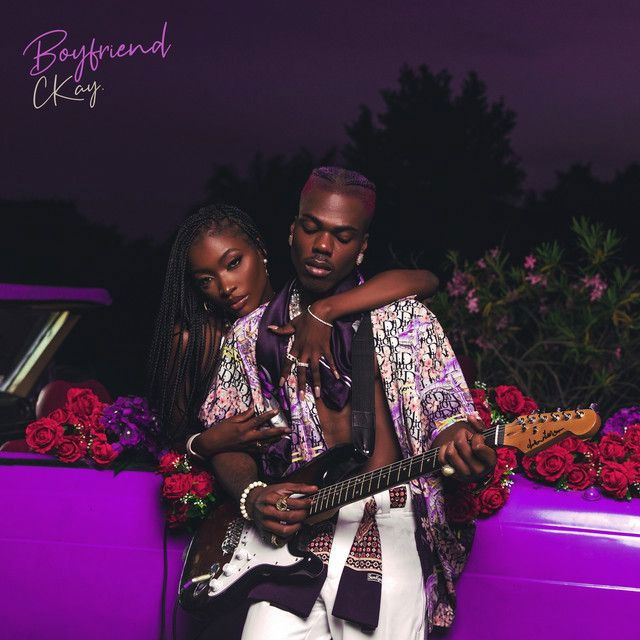
Jeje de Whine by CKay
CKay’s "Jeje de Whine" is not trying to hide what it is. It is a smooth, flirtatious Afrobeats song built around dance, desire, and patience. For listeners searching for the meaning of Jeje de Whine CKay, the clearest answer is simple: they present intimacy as something best enjoyed slowly, with rhythm, eye contact, and mutual mood.
"Jeje de Whine" - CKay
Kere two kpati kpati kpa
Kerewa kapti kpati koa
Loading lyrics...
Unable to load lyrics
We're unable to display the lyrics at this time. Please try again later.
The track was written by Chukwuka Ekweani, CKay’s full name, based on the information provided here. That matters because the song feels closely tied to the style that made them stand out: soft vocals, romantic tension, and melodies that blur the line between pop seduction and Afrobeats bounce.
A Slow Dance, Not a Rush
At the center of the song is a request. The speaker wants their partner to stay, relax, and move with them instead of leaving too soon. Early lines repeat a plea to Folake not to go, then ask her to "stay the night" and linger a little longer. The emotional point is not heartbreak. It is persuasion.
That is why the title phrase matters so much. When CKay sings Jeje de whine
, they are not just asking for a dance move. They are setting the pace of the whole relationship in that moment. “Jeje” suggests gentleness and calm, while “whine” points to body movement and sensual dance. Put together, the phrase means: move slowly, enjoy this, do not force it.
Interpretation: The song frames romance as a shared rhythm. Desire is present, but the deeper idea is control. The speaker wants closeness that unfolds naturally, not something hurried or chaotic.
Watch the official Jeje de Whine
music video
Why Folake Matters
Using the name Folake gives the song a personal feel. Rather than speaking to a faceless dance-floor partner, the singer sounds like they are addressing one specific person. That choice makes the lyrics feel warmer and more intimate.
The repeated appeal don’t leave me
could sound needy in another song, but here it lands more like a playful late-night request. The tone stays light because the production never turns dramatic. Instead, the music supports the feeling of a private conversation happening inside a club groove.
There is also a cultural texture in the mix of English, Nigerian slang, and Yoruba phrasing. That blend is part of CKay’s appeal. They often use language musically, not just literally, so even lines that sound teasing or humorous help create mood as much as plot.
The Chorus Turns Desire Into Atmosphere
The hook is extremely repetitive, and that is the point. Repetition in Afrobeats often works like percussion: it locks the body into the song’s pulse. Here, the refrain keeps bringing the listener back to the same instruction, the same mood, the same physical image.
When they repeat for me
at the end of the hook, the song becomes even more direct. This is not abstract romance. It is a request for attention, movement, and connection.
Jeje de whineJeje de whine for me
That short refrain captures the entire emotional world of the track. It is part invitation, part flirtation, and part fantasy.
How the Verses Build the Mood
The verses give the hook context. The speaker asks their partner to come closer, to move their body, and to get lost in the music together. Phrases like bring your body closer
and fly into the night
push the song beyond simple club talk. They suggest escape.
Interpretation: That “flying” image does not mean literal travel. It sounds like a common pop symbol for emotional lift, sensual freedom, and the dreamlike feeling of being wrapped up in someone for a few hours.
There is also an interesting contrast in the lyrics. On one hand, the speaker is bold and physical. On the other, they warn against moving too fast or overexplaining. One line basically says that too much talk could spoil the vibe. Another says there is no need to become too worked up. That balance is key to the song’s meaning.
In other words, CKay is selling a fantasy of ease. Attraction should feel natural, not pressured.
How the Sound Carries the Message
Production is crucial to the meaning of Jeje de Whine CKay. Even without official production credits in the provided material, the sonic design is easy to read. The beat leans on rolling percussion, a light bounce, and airy melodic space. The opening chant-like syllables act almost like drums made of voice, creating momentum before the romantic lines even arrive.
CKay’s vocal style also matters. They do not belt. They glide. That soft delivery turns explicit moments into something more dreamlike than aggressive. The performance sounds teasing, intimate, and slightly hypnotic.
This is one reason the song works: the music and lyrics say the same thing. Everything is designed to feel smooth, nocturnal, and controlled.
A Quick Thematic Map
- Dance = a form of courtship
- Night = privacy and escape
- Closeness = trust and desire
- Slowness = confidence, not hesitation
Final Reading: Pleasure With Patience
The best way to understand the song is to hear it as a slow-burn seduction track. It is about wanting someone, but wanting them to settle into the moment instead of rushing past it. That is the core meaning of Jeje de Whine CKay.
It may not be a highly complex narrative song, but it does have a clear emotional design. CKay uses repetition, soft-command language, and fluid production to turn a simple message into a whole atmosphere: stay a little longer, move a little slower, and let desire feel easy.
Disclaimer: This interpretation is based on the lyrics provided and general musical context. As with any song, listeners may hear different meanings in its words, mood, and performance.









