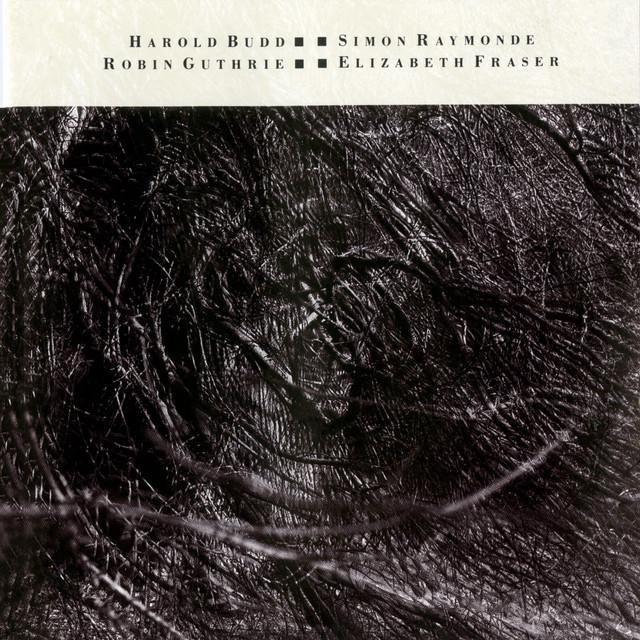
Sea, Swallow Me by Cocteau Twins, Harold Budd
A person stands at the shoreline of their own nerves and desire, asking to be carried somewhere gentler. That image gets to the heart of the meaning of Sea, Swallow Me Cocteau Twins, Harold Budd: it’s a song about craving release so complete that the self blurs into water.
"Sea, Swallow Me" - Cocteau Twins, Harold Budd
Seven sugars and a madman goes
Yell, I wanted more
Loading lyrics...
Unable to load lyrics
We're unable to display the lyrics at this time. Please try again later.
What Pulls Them Under: The Core Tension
The narrator admits to agitation and overdrive, then dreams of being held by the sea. When they blurt Yell, I wanted more
, it sounds less like greed than a knot of longing that won’t loosen. The line somebody punch me
reads as a plea to break the cycle—shock the system back to stillness.
Interpretation: the sea stands for surrender. If wanting “more” creates noise, immersion promises quiet. This is not tragedy; it’s relief through letting go of control.

Watch the official Sea, Swallow Me
music video
Who’s Speaking Beneath the Waves
The voice is first person, intimate and unguarded. Mentions of seven sugars
sketch a jittery, sweet high—too much stimulation, too much want. Then a tender image flashes by in lonely dove
, hinting that the hunger might be romantic: a love that soothes and hurts at once.
They seem to sing both to themselves and to an unseen beloved, asking to be steadied, even if steadiness looks like disappearing into something larger.
The Story in Static: A Tidal Arc
- A restless start, punchy and wired, grasping for “more.”
- Images scatter—moths, sugar, doves—as if thought is flickering too fast to settle.
- A turn toward the sea, imagined as freedom and authority, where desire could finally rest.
- Acceptance: the wish to be carried, not to steer.
This isn’t a literal narrative; it’s an emotional tide chart that moves from spike to calm.
Symbols Afloat: Sea, Moth, Sugar, Dove
- Sea: The phrase
the sea where liberty
frames water as a place of release and vastness. It suggests becoming small inside something protective and endless. - Moth: The odd, dreamlike
horizontal moth
evokes fragile attraction to light, even if it’s risky. Desire is a sideways pull, not a straight line. - Sugar:
seven sugars
signals overstimulation and false comfort—sweetness that feeds the jitters. - Dove: The
lonely dove
softens the song’s edge. Peace and love are present, but distant; the image aches.
Together, these symbols braid craving with the wish to be calmed by immersion.
How the Sound Turns Water into Feeling
Harold Budd’s piano is spare and luminous, leaving air between notes so each resonance lingers like foam. Robin Guthrie’s gauzy guitar and Simon Raymonde’s bass move in slow swells, giving the track a tidal pace. Elizabeth Fraser’s vocal floats above and inside the mix, bending consonants until syllables become currents.
The production favors depth and reverb over sharp edges, which makes the song feel like it’s recorded inside a seashell. That sonic design carries the meaning: instead of telling listeners about surrender, it places them inside the sensation of being gently pulled under.
Why the Refrain Stings and Soothes
Repeated, the cry Yell, I wanted more
becomes a mantra. The more it returns, the less it sounds like demand and the more it feels like confession. Interpretation: the refrain admits that wanting is endless, and then—by repetition—lets the wanting empty itself out.
Context That Shapes the Reading
The track appears on The Moon and the Melodies, a 1986 collaboration between ambient composer Harold Budd and the Cocteau Twins. Their shared language is texture: Budd’s serene minimalism meets the band’s dream‑pop haze. Fraser has often treated words as part of the instrument palette, letting phonetics carry emotion.
Knowing this, listeners can approach the lyrics as emotional signposts rather than literal script. The imagery doesn’t have to decode into a single story to land with force.
Alternate Currents: Other Ways to Hear It
- Interpretation—Addiction and comedown: sugar rushes, the wish for a jolt to reset, and the sea as detox.
- Interpretation—Romantic surrender: a beloved as oceanic presence, both comforting and overpowering.
- Interpretation—Stage-fright prayer: pre‑performance jitters and the desire to be absorbed by sound so the self disappears.
Each reading is supported by different images, which is part of the song’s lasting pull.
Final Word: What Lingers After the Tide
The meaning of Sea, Swallow Me Cocteau Twins, Harold Budd settles where sound and symbol meet. It captures that human edge—when craving becomes a wish to be carried, and being carried finally feels like peace.
Disclaimer: Interpretations are opinions based on lyrics, sound, and public context; the artists have not provided a single official explanation.








