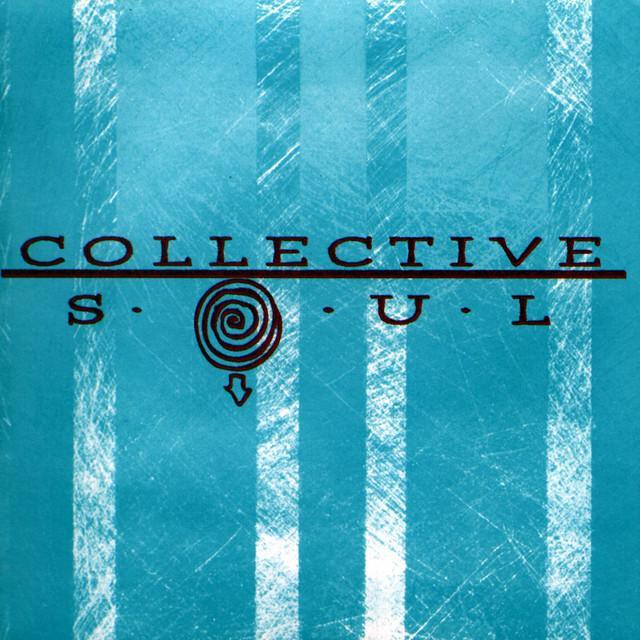
Why ‘December’ Cuts Deep: Collective Soul’s Cold Goodbye
The meaning of December Collective Soul hinges on what happens when trust collapses. The song sounds like a breakup, yet it also traces the group’s early-career turmoil. That double edge—personal and professional—gives its winter mood real bite.
"December" - Collective Soul
Contagious as you think I am
Just tilt my sun towards your domain
Loading lyrics...
Unable to load lyrics
We're unable to display the lyrics at this time. Please try again later.
A Frostbitten Breakup—and a Business Rift
Ed Roland wrote “December” for Collective Soul’s 1995 self-titled album. He has explained that the lyric came from feeling used during a breakdown with their first manager. In that context, the title “December” marks an ending—the last page of a calendar and a cold reset.
On the charts, the single became one of the year’s biggest rock radio staples, spending weeks at #1 on Billboard’s Mainstream Rock tally and cracking the Hot 100’s Top 20 in the U.S. Produced by Roland and Matt Serletic and recorded for Atlantic Records, it balanced the band’s grit with radio polish—the perfect vessel for a lyric about betrayal you can still sing along to.

Watch the official December
music video
Who’s Talking in This Winter Scene?
The narrator speaks in first person to a “you,” pushing back against control and mixed signals. Lines like don’t speak of doubt
show they are done debating. The repeated demand to spit me out
is not self-loathing; it’s permission—“If you don’t value me, let me go.”
They also warn about losing oneself in image. The verse that brushes against “ambiance and vanity” calls out superficial comforts replacing real needs. It’s a voice reclaiming boundaries after being minimized.
How the Story Unfolds, Beat by Beat
- Temptation and taking: The early image of a shared drink turns sour. When the singer notes
Your cup runneth over again
, the generosity feels one-sided—someone is taking more than they need. - Misplaced worship: The plea about following to
higher ground
suggests the other person treats the singer like a savior, then blames them when things go wrong. - Boundary set: Each chorus cycle resets the stance: no more arguing, no more doubt, just release—
spit me out
and end the dance.
In short, the verses show need and manipulation building; the hook slams the door.
Why the Chorus Stings
The hook works because it flips dependency. Usually, a breakup chorus begs to be held. Here, the singer refuses to be the container for someone else’s insecurity. The command don’t speak of doubt
tells us the conversations have grown circular. The emotion isn’t rage; it’s clarity. That’s why it lands so hard.
Cold Symbols, Clear Motifs
In the bridge, the winter metaphor crystallizes the song’s theme of betrayal:
December promise you gave unto me
December whispers of treachery
Those paired lines turn “December” into a season of broken vows. The trust that felt evergreen has gone dormant. When the singer adds clouds are now covering me
, they name the weight of that disappointment. And songs no longer I sing
suggests the silencing that follows a toxic tie: when you’re drained, even your art goes quiet.
Sound That Mirrors the Season
Musically, “December” rides a mid-tempo groove with ringing guitars and a steady backbeat. The arrangement layers clean and overdriven textures, letting the chorus bloom without losing the verse’s hush. Roland’s vocal sits forward but unshowy, a controlled burn rather than a scream.
The production—a blend of alternative rock edge and mainstream clarity—mirrors the lyric’s stance. Verses feel wary and close-miked; choruses widen like cold air hitting your face. Subtle background lines bolster the hook, giving the demand to spit me out
a communal feel, as if friends are backing the boundary.
Other Ways to Read It
Interpretation: Many listeners hear a straight romantic breakup. The water and cup motifs point to overconsumption of the singer’s care; the winter images capture the numbness after trust collapses.
Interpretation: Knowing the band history adds another layer. The “you” can be the music business itself—manager, label, or anyone who profits as the artist gives more. In that frame, the line Your cup runneth over again
becomes a critique of industry excess, and the request to spit me out
reads like a demand for release from a bad deal.
Both readings work because the lyric stays symbolic, not specific. That abstraction lets a private story become a public anthem.
Takeaway
The meaning of December Collective Soul comes down to this: endings can be acts of self-respect. By pairing winter imagery with a firm, repeating boundary, the song captures the moment clarity cuts through sentiment.
Disclaimer: Song meanings are interpretive. The analysis above blends publicly shared background with close reading of the recorded track.








